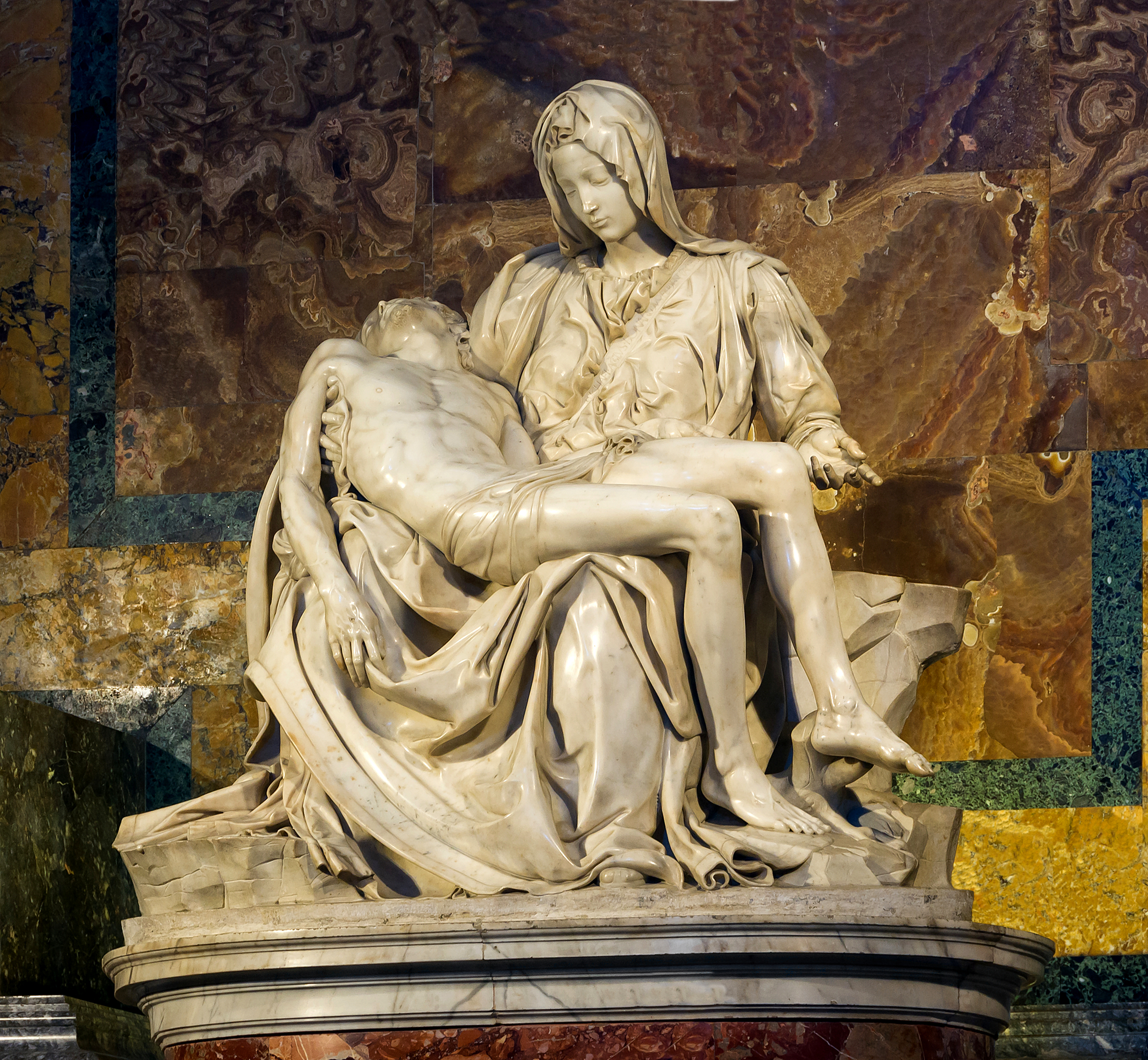
Pope Francis said the concept of a "just war" is outdated and urged Catholics to move beyond the theory in his new encyclical [1, 2].
The statement signals a significant shift in Catholic moral teaching regarding armed conflict. By challenging a long-standing theological framework used to justify military intervention, the Pope is pushing the global church toward a more absolute commitment to peace.
In the encyclical titled "Magnifica Humanitas," the Pope said he warned against a "violent culture of power" [1, 2]. He argued that the traditional justifications for war are frequently misused to validate aggression rather than prevent it.
"Today, more than ever, it is important to reiterate the need to move beyond the theory of 'just war,' invoked too often to justify any war," Francis said [1].
The Vatican announced the new guidance as part of a broader effort to encourage a move toward peace [1, 2]. The text suggests that the complexities of modern warfare render the old criteria for a "just" conflict obsolete, a move that places the church in direct tension with governments that rely on these doctrines for legal and moral cover.
Francis said the theory has been used too often as a tool for political expediency [1]. The encyclical calls for a fundamental reimagining of how the international community handles conflict, prioritizing diplomacy, and humanitarian stability over military solutions [2].
“The idea of a 'just war' is outdated.”
This shift represents a move from 'Just War Theory' toward a more consistent pacifist or 'Just Peace' framework. By labeling the theory outdated, Pope Francis is removing the theological scaffolding that Catholic leaders and politicians have historically used to support state-sanctioned violence, potentially isolating the Vatican from military alliances that claim moral legitimacy through religious tradition.


'%2F%3E%0A%20%20%20%20%3Crect%20width%3D'1600'%20height%3D'900'%20fill%3D'url(%23v)'%2F%3E%0A%20%20%20%20%3Cg%20opacity%3D'0.08'%20fill%3D'%23ffffff'%3E%0A%20%20%20%20%20%20%3Ccircle%20cx%3D'1420'%20cy%3D'180'%20r%3D'220'%2F%3E%0A%20%20%20%20%20%20%3Ccircle%20cx%3D'1500'%20cy%3D'760'%20r%3D'120'%2F%3E%0A%20%20%20%20%3C%2Fg%3E%0A%20%20%20%20%3Cline%20x1%3D'80'%20y1%3D'172'%20x2%3D'220'%20y2%3D'172'%20stroke%3D'%23ffffff'%20stroke-width%3D'3'%20stroke-opacity%3D'0.6'%2F%3E%0A%20%20%20%20%3Ctext%20x%3D'80'%20y%3D'140'%20font-family%3D'Inter%2C%20-apple-system%2C%20Helvetica%2C%20sans-serif'%20font-weight%3D'700'%20font-size%3D'28'%20fill%3D'%23ffffff'%20letter-spacing%3D'6'%3EHANNA%20%C2%B7%20NEWS%3C%2Ftext%3E%0A%20%20%20%20%3Ctext%20x%3D'80'%20y%3D'230'%20font-family%3D'Inter%2C%20-apple-system%2C%20Helvetica%2C%20sans-serif'%20font-weight%3D'600'%20font-size%3D'40'%20fill%3D'%23ffffffb3'%20letter-spacing%3D'4'%3EWORLD%3C%2Ftext%3E%0A%20%20%20%20%3Ctext%20x%3D'80'%20y%3D'622'%20font-family%3D'Playfair%20Display%2C%20Georgia%2C%20serif'%20font-weight%3D'800'%20font-size%3D'86'%20fill%3D'%23ffffff'%20letter-spacing%3D'-1'%3EBonnie%20Tyler%2C%20%26apos%3BTotal%3C%2Ftext%3E%3Ctext%20x%3D'80'%20y%3D'721'%20font-family%3D'Playfair%20Display%2C%20Georgia%2C%20serif'%20font-weight%3D'800'%20font-size%3D'86'%20fill%3D'%23ffffff'%20letter-spacing%3D'-1'%3EEclipse%20of%20the%20Heart%26apos%3B%3C%2Ftext%3E%3Ctext%20x%3D'80'%20y%3D'820'%20font-family%3D'Playfair%20Display%2C%20Georgia%2C%20serif'%20font-weight%3D'800'%20font-size%3D'86'%20fill%3D'%23ffffff'%20letter-spacing%3D'-1'%3Esinger%2C%20dies%20at%2075%3C%2Ftext%3E%0A%20%20%20%20%3Ctext%20x%3D'80'%20y%3D'870'%20font-family%3D'Inter%2C%20-apple-system%2C%20Helvetica%2C%20sans-serif'%20font-weight%3D'500'%20font-size%3D'22'%20fill%3D'%23ffffff66'%20letter-spacing%3D'2'%3Enews.hanna-ai.com%3C%2Ftext%3E%0A%20%20%3C%2Fsvg%3E)