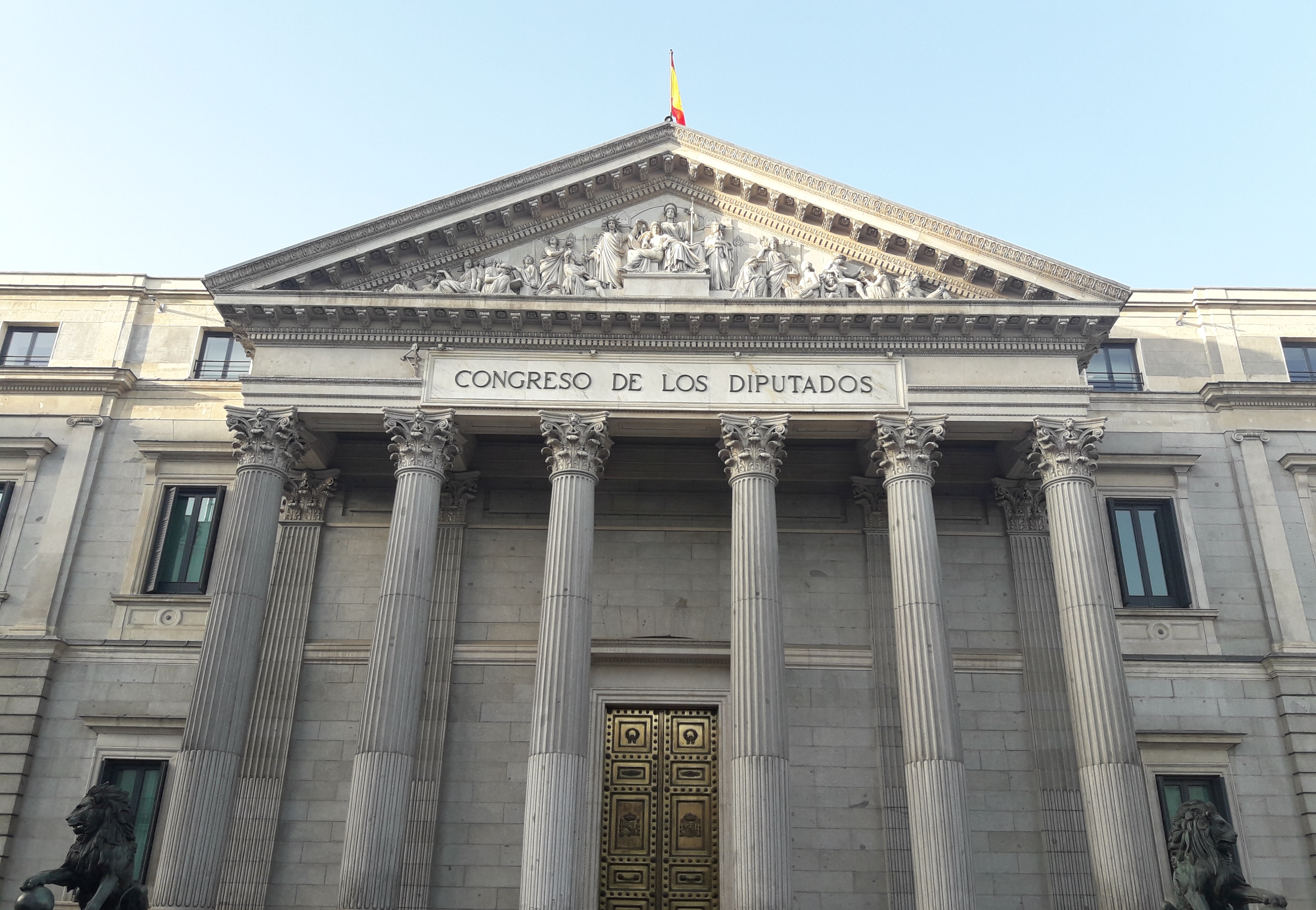
Pope Leo XIV addressed the Spanish Parliament in Madrid on Monday, warning that the world is currently facing a profound crisis [1].
The address marks the first time a pope has spoken to the Cortes Generales [3]. This visit underscores the Vatican's effort to influence European migration policy as nations struggle with escalating humanitarian challenges and legal disputes over border controls.
During the speech, the Pope focused on the necessity of protecting vulnerable populations. He said, "We must respect the rights of migrants and uphold international law" [2]. He said that a disregard for human rights and the rise of global conflicts have created a state of instability that threatens international peace [1].
Lawmakers responded to the address with a standing ovation that lasted seven minutes [2]. The duration of the applause was noted as a sign of the parliament's support for the message delivered by the pontiff [3].
Pope Leo XIV emphasized that the global community cannot ignore the plight of those fleeing conflict. He said, "We are living in a profound crisis" [1]. The Pope urged the Spanish government and other European leaders to prioritize human dignity over political expediency, a call for a more compassionate approach to the migration crisis currently affecting the Mediterranean region [1].
Throughout the address, the Pope linked the adherence to international law with the preservation of global order. He said that the failure to protect migrants' rights is a symptom of a wider systemic failure in global governance [3].
“"We are living in a profound crisis."”
The unprecedented nature of this address—the first by a pope to the Spanish Parliament—signals a strategic move by the Vatican to elevate migration from a policy issue to a moral imperative within the European Union. By securing a strong public reception from Spanish lawmakers, the Pope is attempting to build a diplomatic bridge between religious ethics and secular legislation to pressure EU member states into stricter adherence to international humanitarian laws.