
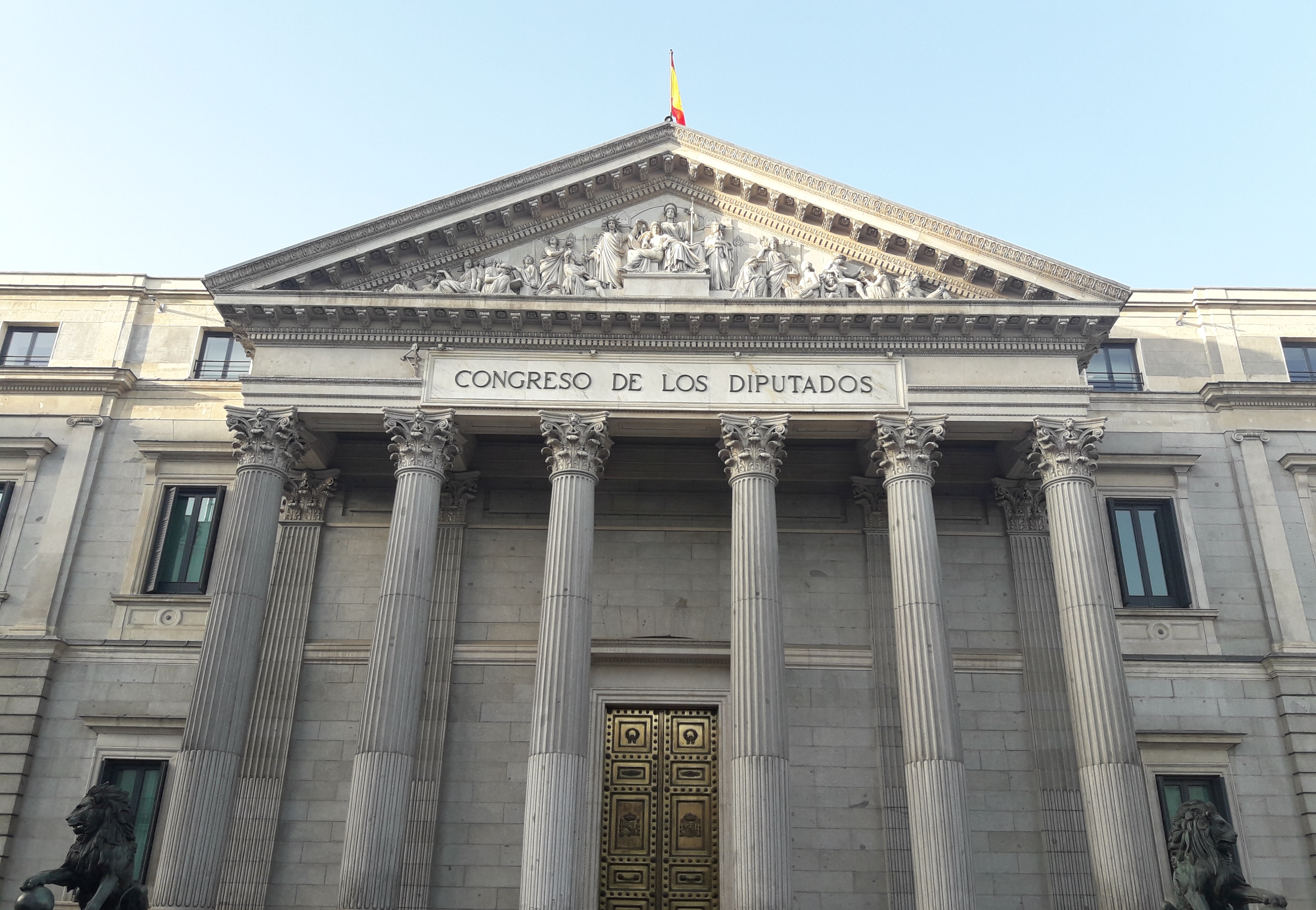
Pope Leo XIV urged global solidarity with migrants and called for ethical oversight of military artificial intelligence during a speech in Madrid [1].
This address highlights the Vatican's growing concern over the intersection of emerging technology and human rights. By targeting both the displacement of people and the automation of warfare, the Pope is positioning the church as a moral arbiter in the face of rapid technological advancement.
Speaking to the Spanish Parliament on Monday, May 25, 2026, the Pope said that the rights of migrants be respected under international law [2]. He said the moral obligation of nations to support those fleeing conflict or poverty [2].
"We must stand in solidarity with those who are forced to leave their homes and seek a better future," Pope Leo XIV said [2].
The Pope also addressed the risks associated with the military application of artificial intelligence. He said that AI technologies must be regulated to ensure they do not evolve into autonomous weapons that operate without human intervention [3].
"We must ensure that the development of artificial intelligence respects human dignity and does not become a weapon beyond human control," Pope Leo XIV said [3].
The speech was met with a standing ovation that lasted seven minutes [4]. This reception underscored the diplomatic significance of the visit to Spain, where migration remains a critical political, and social issue [4].
The pontiff's call for a slowdown in AI development serves as a directive for world leaders to prioritize ethics over military speed [3]. He said that human dignity must remain the central focus of all technological progress [3].
“"We must ensure that the development of artificial intelligence respects human dignity and does not become a weapon beyond human control."”
The Pope's dual focus on migration and AI reflects a broader effort to apply traditional Catholic social teaching to 21st-century crises. By specifically targeting 'military use' of AI, the Vatican is joining a growing international movement to prevent the deployment of lethal autonomous weapons systems, while simultaneously pressuring European governments to maintain humanitarian standards for refugees.



