
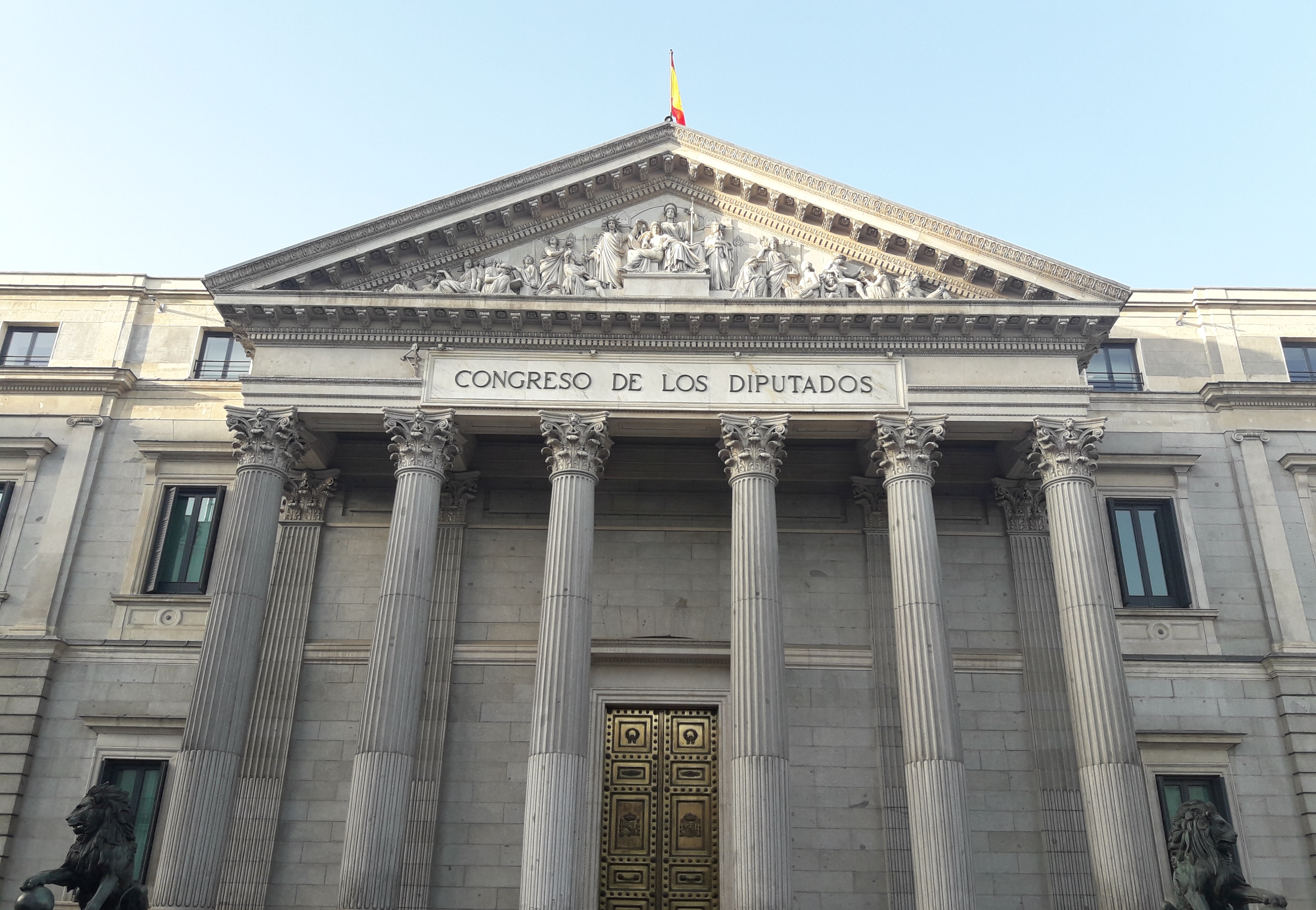
Pope Leo XIV called for respect for migrants' rights and international law during a speech to the Spanish Parliament on Monday [1].
The address highlights the Vatican's ongoing effort to influence European policy on migration and the moral obligations of sovereign states toward displaced people.
Speaking in Madrid, the Pope focused on the legal and ethical frameworks governing the movement of people across borders. He said the current state of global displacement is "the tragic drama of migration" [2]. The pontiff urged lawmakers to ensure that the rights of individuals are protected regardless of their legal status or origin [1].
Leo XIV linked the treatment of migrants to the overall ethical standing of a country. He said the "defence of life is a measure of a nation's moral greatness" [3]. This framing positioned the adherence to international law not merely as a legal requirement, but as a reflection of a nation's character [1].
Following the conclusion of the address, members of the Spanish Parliament rose for a standing ovation that lasted seven minutes [4]. The extended tribute indicated a strong reception of the Pope's message among the legislators in Madrid [4].
The visit to the parliament focused on the intersection of faith and governance. The Pope said that "respect for migrants' rights and international law" is essential for maintaining global stability [1]. He called for action to mitigate the suffering of those fleeing conflict and poverty [2].
Throughout the session, the Pope maintained that the international community must prioritize human dignity over bureaucratic restrictions. He said that the legal protections afforded to migrants are fundamental to the preservation of human rights on a global scale [1].
“"the tragic drama of migration"”
The strong reaction from the Spanish Parliament suggests a momentary alignment between the Vatican's humanitarian priorities and the political climate in Madrid. By framing migration as a test of 'moral greatness,' the Pope is attempting to shift the discourse from security and border control toward a human rights-based approach, potentially pressuring EU member states to maintain more open asylum policies.


'%2F%3E%0A%20%20%20%20%3Crect%20width%3D'1600'%20height%3D'900'%20fill%3D'url(%23v)'%2F%3E%0A%20%20%20%20%3Cg%20opacity%3D'0.08'%20fill%3D'%23ffffff'%3E%0A%20%20%20%20%20%20%3Ccircle%20cx%3D'1420'%20cy%3D'180'%20r%3D'220'%2F%3E%0A%20%20%20%20%20%20%3Ccircle%20cx%3D'1500'%20cy%3D'760'%20r%3D'120'%2F%3E%0A%20%20%20%20%3C%2Fg%3E%0A%20%20%20%20%3Cline%20x1%3D'80'%20y1%3D'172'%20x2%3D'220'%20y2%3D'172'%20stroke%3D'%23ffffff'%20stroke-width%3D'3'%20stroke-opacity%3D'0.6'%2F%3E%0A%20%20%20%20%3Ctext%20x%3D'80'%20y%3D'140'%20font-family%3D'Inter%2C%20-apple-system%2C%20Helvetica%2C%20sans-serif'%20font-weight%3D'700'%20font-size%3D'28'%20fill%3D'%23ffffff'%20letter-spacing%3D'6'%3EHANNA%20%C2%B7%20NEWS%3C%2Ftext%3E%0A%20%20%20%20%3Ctext%20x%3D'80'%20y%3D'230'%20font-family%3D'Inter%2C%20-apple-system%2C%20Helvetica%2C%20sans-serif'%20font-weight%3D'600'%20font-size%3D'40'%20fill%3D'%23ffffffb3'%20letter-spacing%3D'4'%3EWORLD%3C%2Ftext%3E%0A%20%20%20%20%3Ctext%20x%3D'80'%20y%3D'622'%20font-family%3D'Playfair%20Display%2C%20Georgia%2C%20serif'%20font-weight%3D'800'%20font-size%3D'86'%20fill%3D'%23ffffff'%20letter-spacing%3D'-1'%3EGerman%20Officials%20Push%20for%3C%2Ftext%3E%3Ctext%20x%3D'80'%20y%3D'721'%20font-family%3D'Playfair%20Display%2C%20Georgia%2C%20serif'%20font-weight%3D'800'%20font-size%3D'86'%20fill%3D'%23ffffff'%20letter-spacing%3D'-1'%3EFaster%20Digital%20State%3C%2Ftext%3E%3Ctext%20x%3D'80'%20y%3D'820'%20font-family%3D'Playfair%20Display%2C%20Georgia%2C%20serif'%20font-weight%3D'800'%20font-size%3D'86'%20fill%3D'%23ffffff'%20letter-spacing%3D'-1'%3EModernization%3C%2Ftext%3E%0A%20%20%20%20%3Ctext%20x%3D'80'%20y%3D'870'%20font-family%3D'Inter%2C%20-apple-system%2C%20Helvetica%2C%20sans-serif'%20font-weight%3D'500'%20font-size%3D'22'%20fill%3D'%23ffffff66'%20letter-spacing%3D'2'%3Enews.hanna-ai.com%3C%2Ftext%3E%0A%20%20%3C%2Fsvg%3E)