
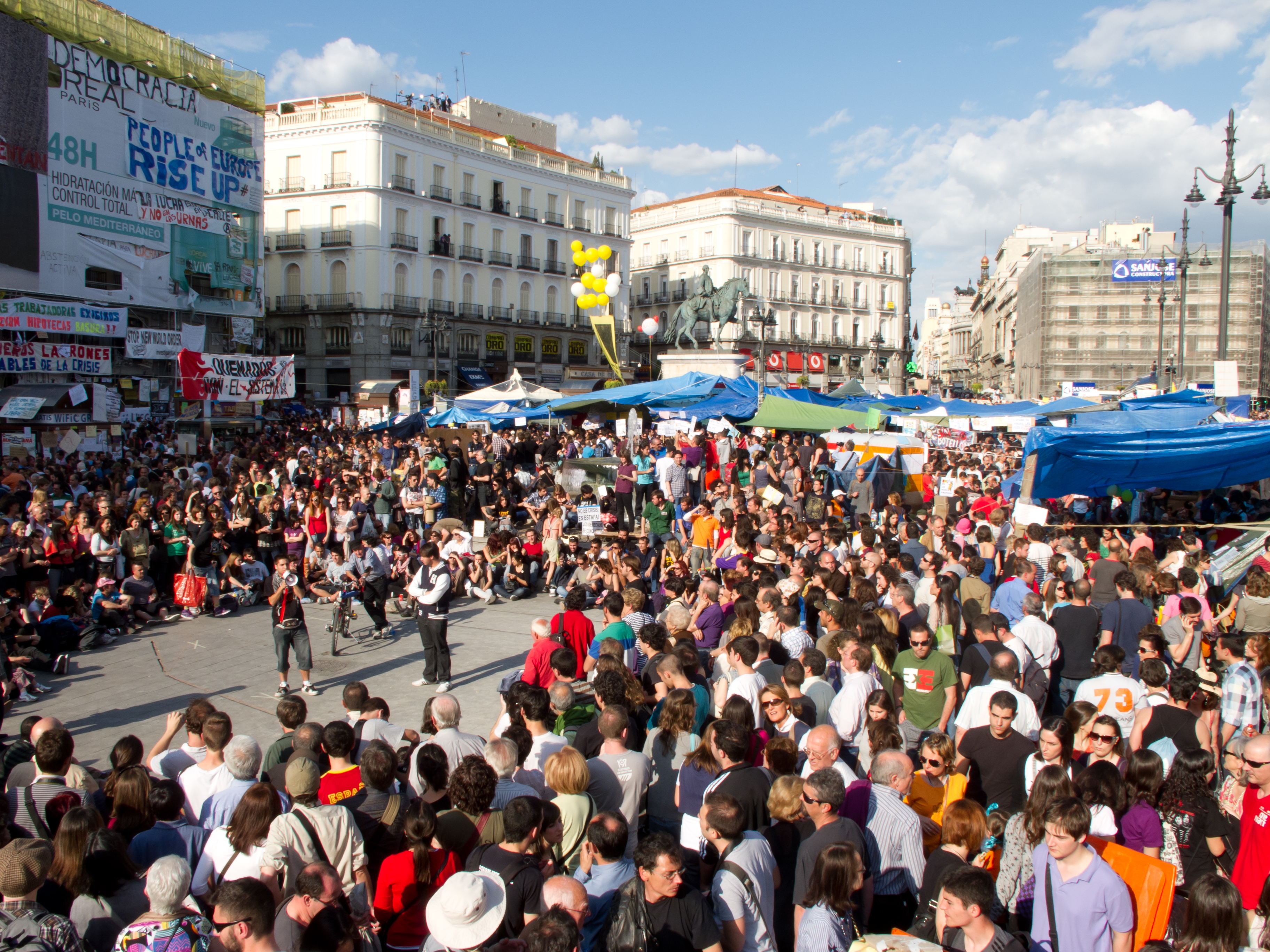
The visit of Pope León XIV to Madrid is driving a significant increase in hotel reservations and commercial activity for local businesses.
This surge reflects the massive economic impact of papal trips, which transform city infrastructure and consumer spending patterns during the short window of the visit. For Madrid, the event serves as a primary driver for the hospitality sector this week.
The pontiff is visiting the city from June 6 to June 9 [2]. According to data from RTVE Noticias, hotel reservations have seen a 43% rise [1]. This demand has pushed the average price for a hotel room per night to €298 [1].
Local shops and restaurants are also seeing increased traffic as thousands of pilgrims and tourists arrive in the city. The financial scale of the event is substantial; the estimated cost of the visit is €25 million [1].
Officials expect the economic return to be approximately six times that cost, totaling €150 million [1]. Of that projected total, roughly €75 million is expected to remain within Madrid [1].
City organizers have prepared for the crowds by coordinating with local hotels, and museums. The influx of visitors provides a temporary but intense boost to the city's service industry—an effect that typically persists until the departure of the papal delegation.
“Hotel reservations have seen a 43% rise”
The high ratio of return-on-investment—projected at six times the initial expenditure—demonstrates how high-profile religious events function as short-term economic catalysts. By concentrating a massive volume of international tourists into a four-day window, the visit creates an artificial demand spike that allows the hospitality sector to maximize pricing and occupancy.


