
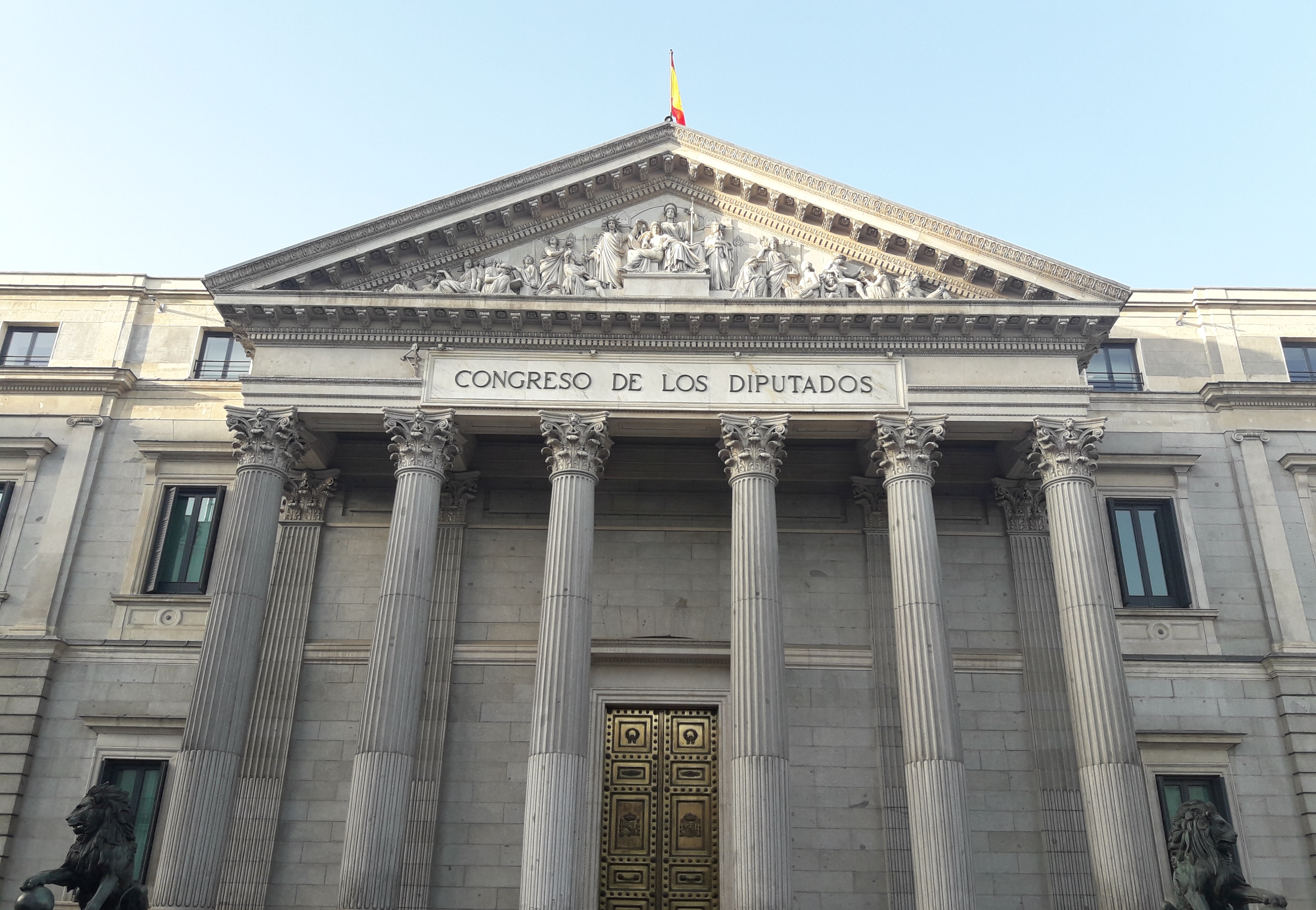
Pope León XIV became the first pontiff to address the Congress of Deputies and the Senate in Madrid on June 8, 2026 [1].
The visit marks a historic diplomatic and religious milestone, as no previous pope had spoken before the joint session of Spanish legislators. The address sought to bridge the gap between the Holy See and the Spanish state on critical moral and political issues.
During the speech, the pontiff emphasized the importance of national identity and heritage. "Que esta noble nación jamás pierda la memoria de sus raíces," the Pope said [2].
A central theme of the address was the defense of human life. The Pope spoke against abortion and euthanasia, framing the protection of life as a fundamental requirement for a functioning society. He said that "la defensa de la vida humana es una meta de civilización" [3].
He further detailed the Church's stance on the beginning and end of life. The Pope said that "toda vida humana debe ser reconocida y custodiada desde su concepción hasta su ocaso natural" [3].
Beyond bioethical concerns, the pontiff used the platform to address the migration crisis. He urged the Spanish government and its legislators to formulate a response that prioritizes human dignity, and compassion in the face of global displacement.
The event took place within the Cámara Baja and Cámara Alta, bringing together members of both houses to hear the moral-political message from the Vatican [1].
“"La defensa de la vida humana es una meta de civilización"”
This address represents a strategic effort by the Vatican to reassert its moral influence within a secularized Spanish political landscape. By addressing both the Congress and the Senate, Pope León XIV has elevated the discourse on bioethics and migration from religious guidance to a formal diplomatic challenge to the state's legislative priorities.


