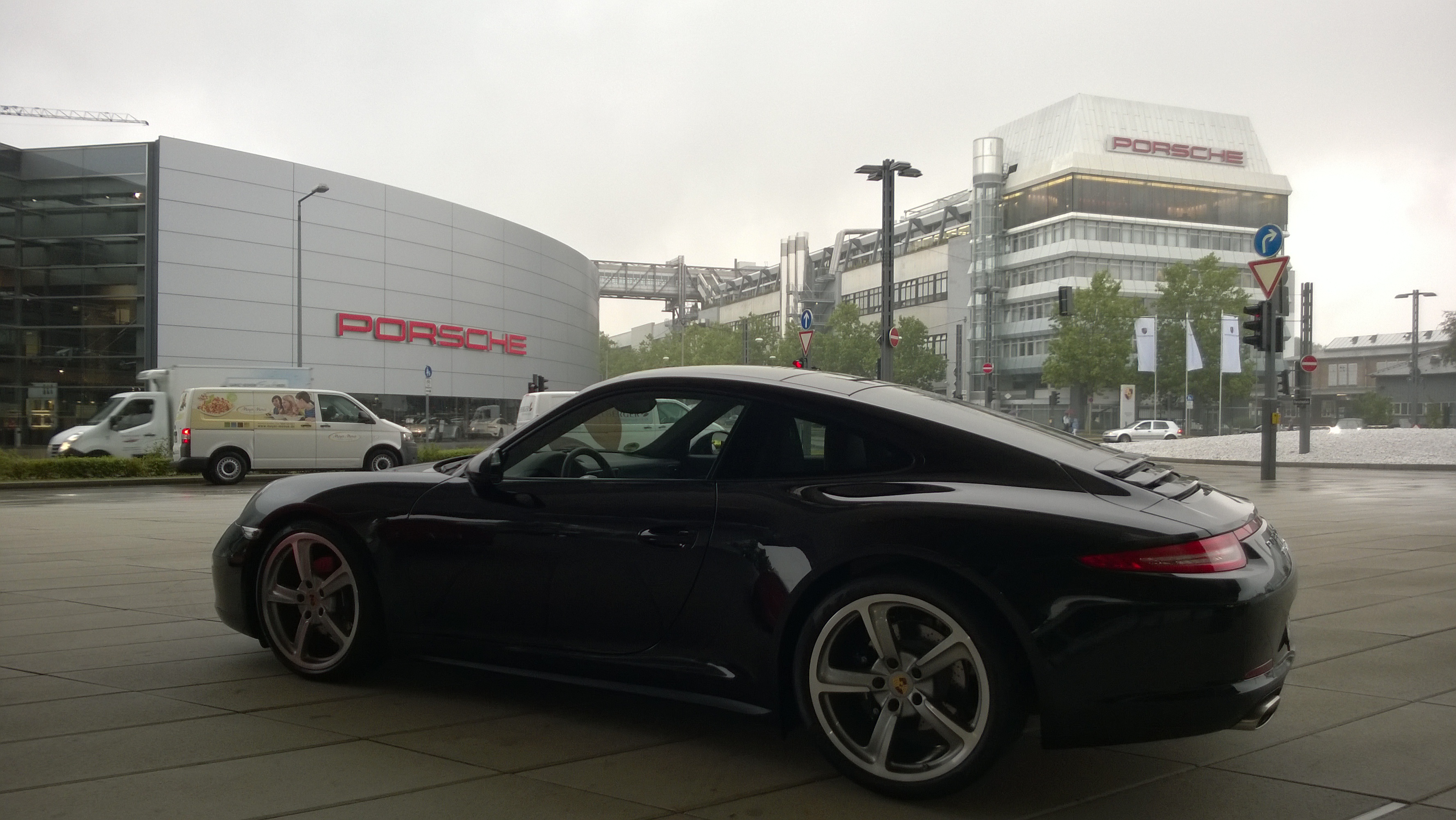
Porsche AG will cut more than 500 jobs [1] and shut three subsidiaries [2] as part of a major restructuring plan.
This move signals a strategic retreat from diversified mobility projects as the company struggles with rising costs and a cooling global market for electric vehicles. The restructuring aims to stabilize profitability by prioritizing the production of its core luxury vehicles over peripheral ventures.
The job cuts and closures follow a reported 22% [3] decline in first-quarter operating profit. The company is responding to a combination of slowing electric-vehicle demand and increased pressure on its overall profit margins [4].
Among the entities being shuttered is the Cellforce Group in Kirchentellinsfurt, Germany [5]. Porsche is also closing the Porsche eBike Performance operations located in Ottobrunn, Germany, and Zagreb, Croatia [5]. Additionally, the company will close Cetitec, which operates in Pforzheim, Germany, and Croatia [5].
These subsidiaries spanned the battery, software, and e-bike sectors [6]. While some reports suggested only the e-bike division would close, the company's broader restructuring includes these three specific subsidiaries [2, 5].
By eliminating these units, Porsche intends to sharpen its focus on its primary automotive business. The shift comes as the luxury carmaker seeks to mitigate the financial impact of its transition toward electrification while maintaining its high-end brand positioning [4].
“Porsche will cut more than 500 jobs and shut three subsidiaries”
Porsche's decision to excise its e-bike and battery subsidiaries reflects a broader trend among European automakers who are scaling back ambitious diversification efforts. By retreating to its core vehicle business, Porsche is prioritizing immediate financial stability over the long-term goal of becoming a multi-modal mobility provider, acknowledging that the current electric vehicle market cannot support simultaneous expansion into niche hardware like e-bikes.


