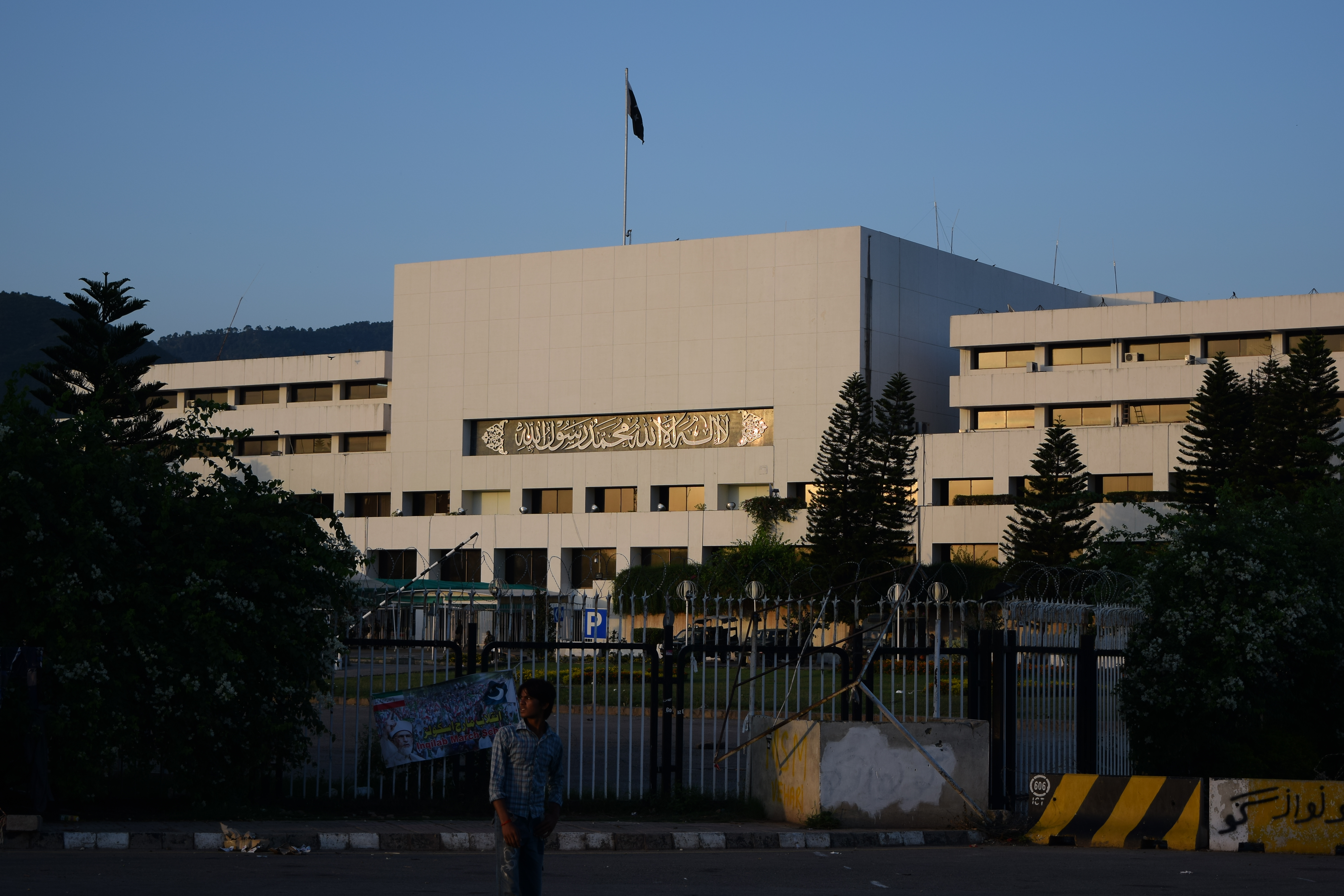
Pakistani political leaders are divided over the necessity of a proposed 28th [1] Constitutional Amendment as coalition negotiations continue in Islamabad.
The dispute reflects a deeper struggle within the government to balance structural legal reforms with the stability of the current constitutional framework. Because the amendment has become a central point of contention, it could dictate the future composition and stability of the ruling coalition.
Nayyar Hussain Bukhari, a senior leader of the Pakistan Peoples Party (PPP), said the party is ready regarding the proposal. However, other party stalwarts have expressed strong opposition to further altering the nation's founding document.
Raza Rabbani, the former Senate chairman and PPP stalwart, said there is no need for a 28th [1] Constitutional Amendment. Rabbani said the Constitution could not bear the burden if it were to be altered.
Despite these internal objections, the proposal remains a central part of the political agenda. An editorial team at Pakistan Today said the 28th [1] Constitutional Amendment has emerged as a key political flashpoint in coalition talks.
These discussions have primarily taken place within PPP circles and at the Presidency in Islamabad. The debate centers on whether the proposed changes are essential for the current legislative agenda, or if they pose a risk to the legal integrity of the state.
The tension between the need for political compromise in a coalition and the desire for constitutional permanence continues to drive the discourse among the leadership.
“There is no need for a 28th Constitutional Amendment”
The disagreement over the 28th amendment suggests a fracture between the PPP's pragmatic coalition managers and its constitutional purists. If the party cannot reach a consensus, the amendment may either be stalled indefinitely or become a catalyst for a shift in the coalition's power dynamics.


