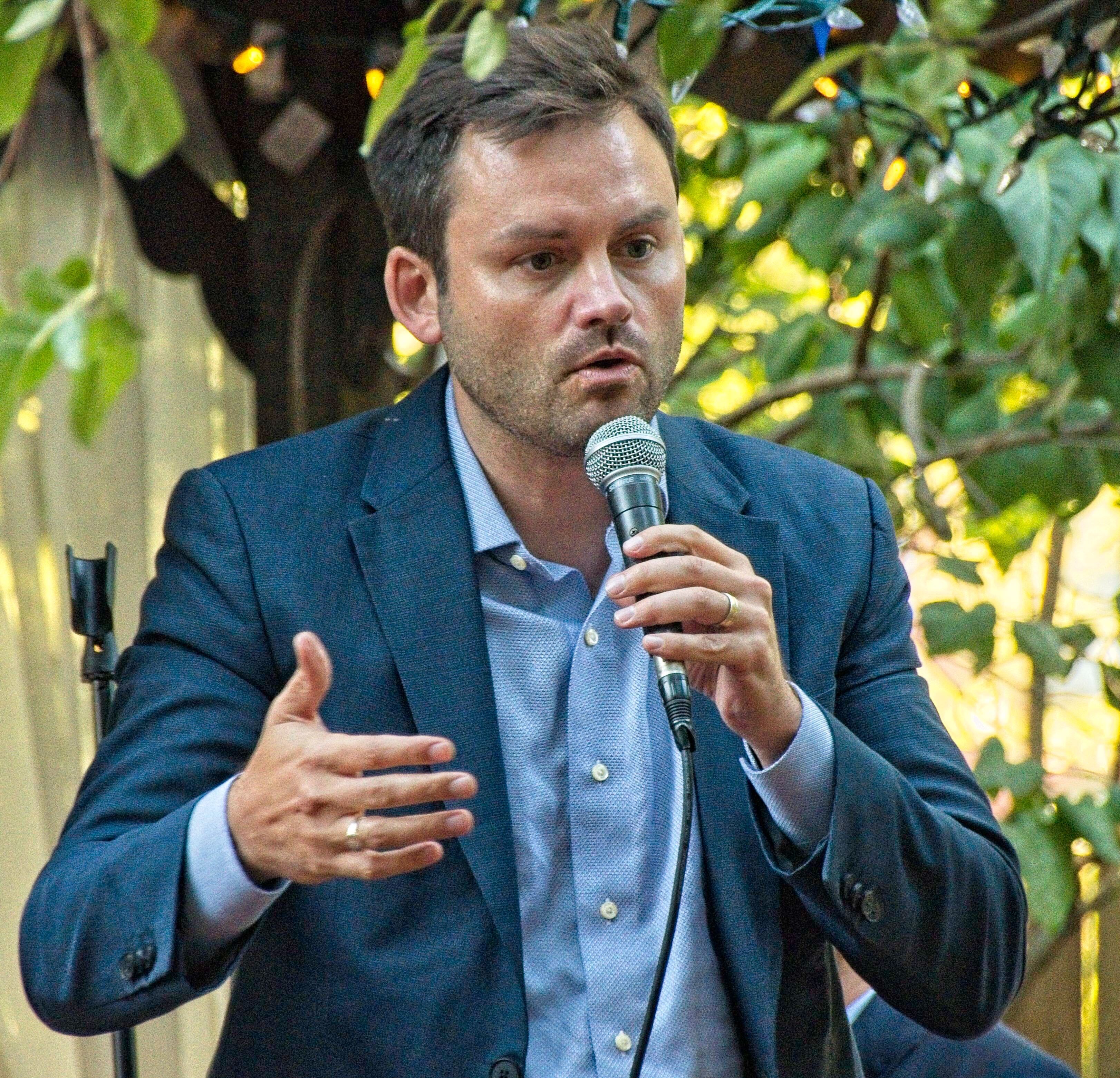
Paul St-Pierre Plamondon, leader of the Parti Québécois, said he fears the federal government is spying on his political party.
These allegations highlight the deepening tension between Quebec separatists and the Canadian federal government as the province approaches its 2026 election. Such claims of state surveillance can influence voter perception regarding civil liberties and federal overreach in regional politics.
Plamondon said the comments during an appearance on the Radio-Canada program "Mordus de politique" [1]. The broadcast occurred on March 21, 2026 [2]. During the segment, he said federal authorities may be monitoring the activities of the Parti Québécois [1].
Plamondon said he believes the federal government is conducting this surveillance in anticipation of the 2026 Quebec election [1]. The leader did not provide specific evidence of the spying during the broadcast, but he framed the concern as a matter of political monitoring [1].
This public statement follows a period of heightened rhetoric between the PQ and Ottawa. The party's focus on Quebec sovereignty often puts it at odds with federal agencies, a dynamic that Plamondon suggests has evolved into active surveillance [1].
Radio-Canada and other news outlets reported on the broadcast, noting the sensitivity of the claims regarding federal employees and intelligence operations [3]. The PQ leader's assertions emphasize a lack of trust in federal institutions as the party prepares for its next electoral campaign [1].
“Paul St-Pierre Plamondon said he fears the federal government is spying on his political party.”
These allegations reflect the volatile relationship between the Parti Québécois and the Canadian state. By claiming federal surveillance, Plamondon positions his party as a target of the state, which can serve to galvanize nationalist sentiment and frame the upcoming election as a struggle for autonomy against federal interference.


