
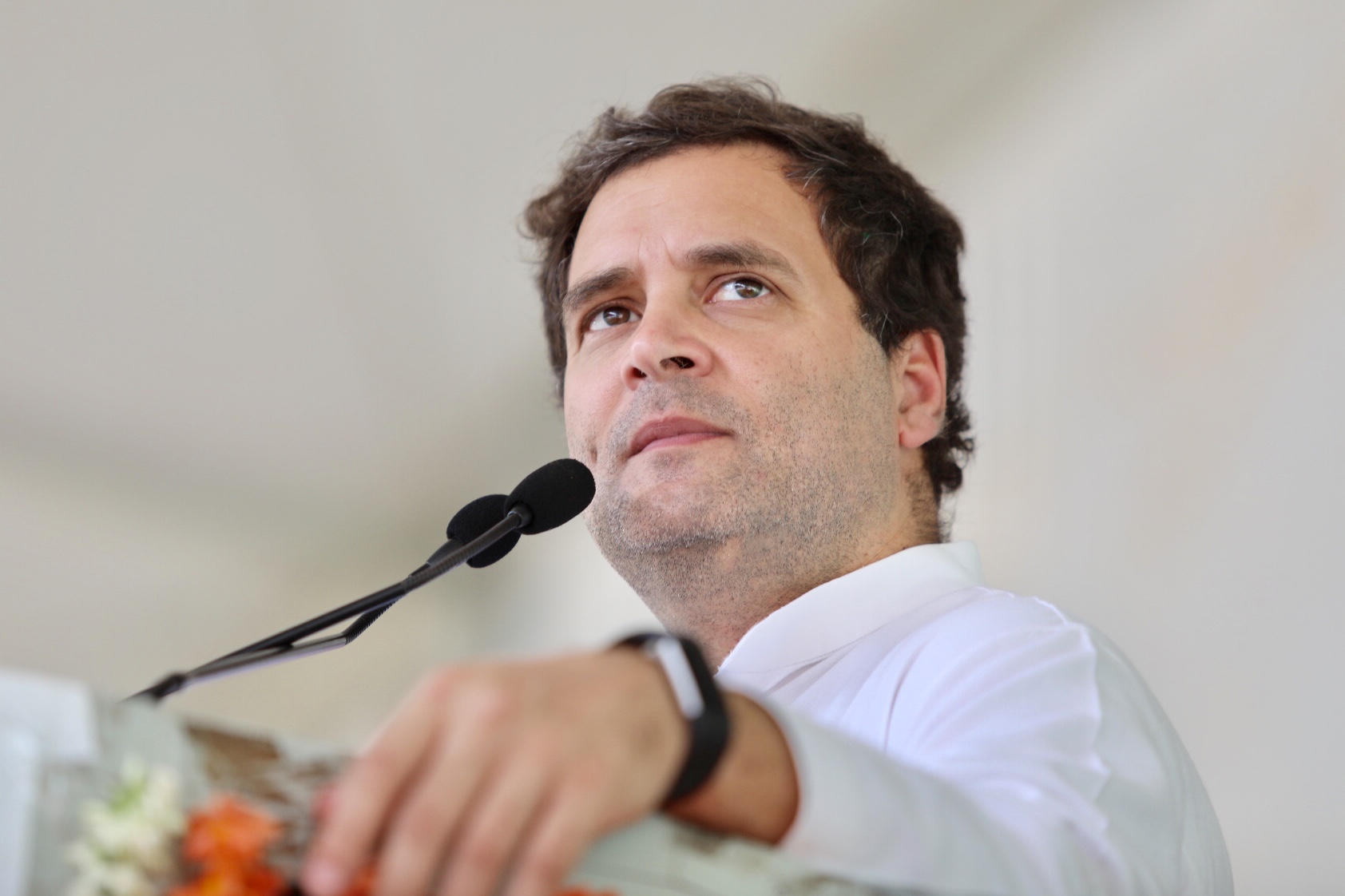
Union Education Minister Dharmendra Pradhan countered allegations from opposition leader Rahul Gandhi regarding irregularities in the CBSE Class-12 examinations on May 28, 2024.
The dispute highlights a growing political tension over the integrity of India's national education system and the transparency of its largest standardized tests.
Pradhan defended the Central Board of Secondary Education (CBSE) and said Gandhi is spreading misleading claims to politicize the issue [1, 2]. The controversy stems from Gandhi's questions regarding evaluation discrepancies and specific contracts associated with the board [1].
The CBSE Class-12 examinations are a massive administrative undertaking involving more than 1.5 million candidates [1]. Because of the scale of the exams, any perceived instability in the marking process can cause widespread anxiety among students and parents.
Pradhan said there is no evidence of irregularities and described the allegations as misleading [2]. However, he also said that if any irregularities are found, action will be taken against those responsible [1].
The Education Minister's response seeks to maintain public confidence in the board's results while simultaneously pushing back against the opposition's narrative of systemic failure. The exchange underscores the sensitivity of board examinations in India, where results often dictate university admissions, and future career paths.
Pradhan said the board remains committed to fairness and accuracy in its evaluation processes [2]. He said the public should rely on official communications rather than political assertions regarding the board's internal operations [1].
“Pradhan defended the CBSE board, stating there is no evidence of irregularities”
This confrontation reflects the broader political strategy in India where education and youth-centric issues are used as primary battlegrounds for opposition leaders to challenge government competency. By questioning the CBSE, Gandhi targets a high-stakes system that affects millions of families, while Pradhan's response aims to insulate the administrative machinery of the state from political interference.


