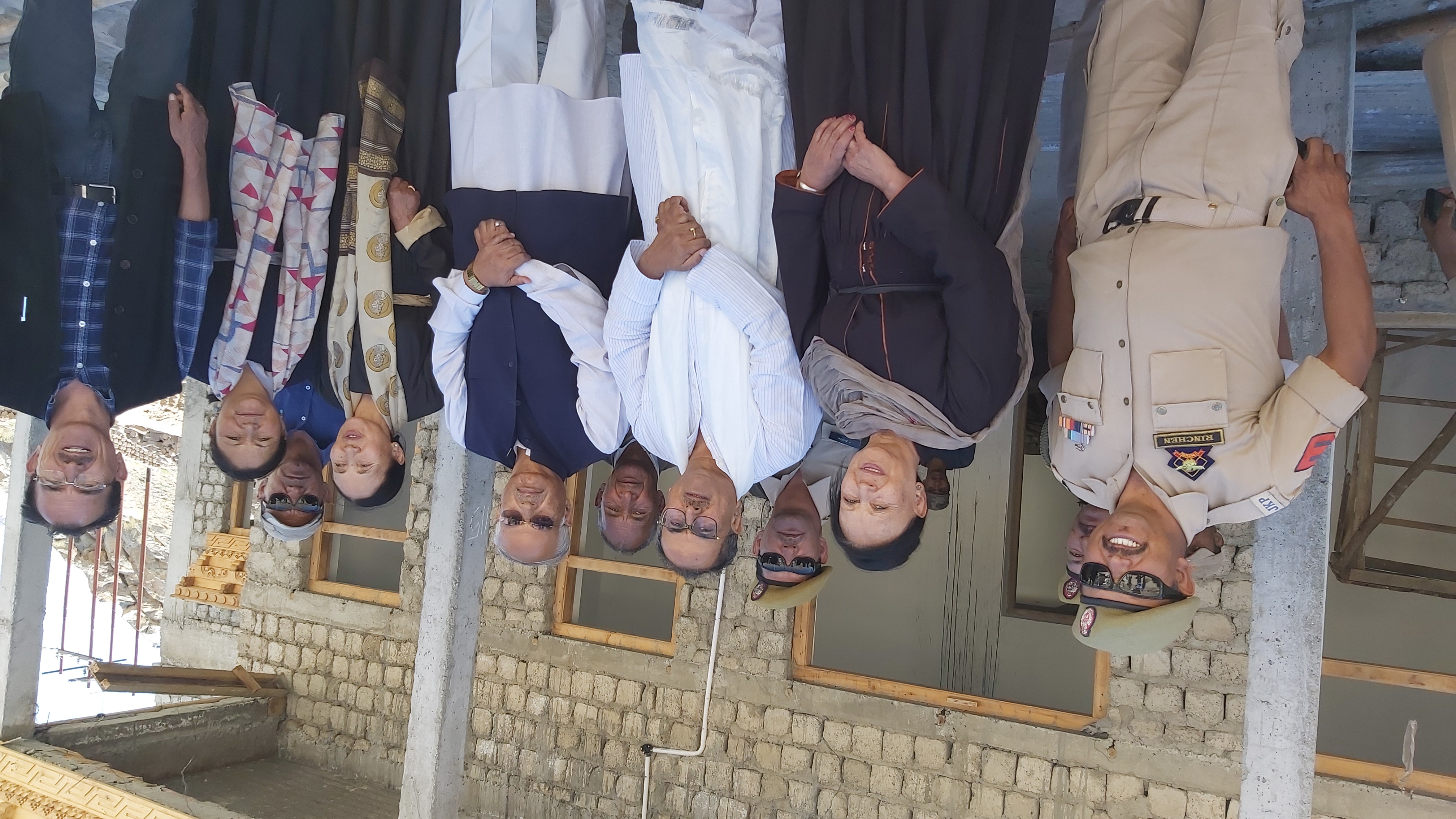
Pralhad Joshi has taken charge as the Union Education Minister following the resignation of Dharmendra Pradhan.
This leadership change comes as the Indian government faces significant pressure from students who are protesting against proposed education reforms. The transition occurs as the administration seeks to stabilize the ministry and address the grievances of those demonstrating in New Delhi.
Joshi, a veteran of the Bharatiya Janata Party (BJP), assumed the role one day after Pradhan stepped down [1]. The resignation of the former minister was triggered by intense student protests, with significant demonstrations centering around Jantar Mantar in New Delhi [1], [2].
The protests have focused on specific education reforms that critics argue are detrimental to the student population. The scale of the unrest led to Pradhan's departure from the post, leaving a vacancy that the government moved quickly to fill to maintain administrative continuity [3].
Joshi now inherits a portfolio marked by volatility. He is tasked with managing the fallout from the reforms while attempting to negotiate a path forward with student leaders, and academic institutions. The appointment is seen as an effort to bring a seasoned political hand to a ministry currently under heavy public scrutiny [3].
While the government has not detailed specific policy shifts, the timing of the appointment suggests an urgency to resolve the deadlock at Jantar Mantar. The BJP veteran will now lead the ministry's efforts to implement or revise the contentious reforms that led to the previous minister's exit [1], [3].
“Pralhad Joshi has taken charge as the Union Education Minister following the resignation of Dharmendra Pradhan.”
The appointment of Pralhad Joshi signals the Indian government's attempt to neutralize a growing political crisis sparked by student unrest. By replacing Dharmendra Pradhan with a party veteran, the administration is likely seeking a more diplomatic or experienced approach to quell the Jantar Mantar protests without necessarily abandoning the core education reforms that triggered the upheaval.