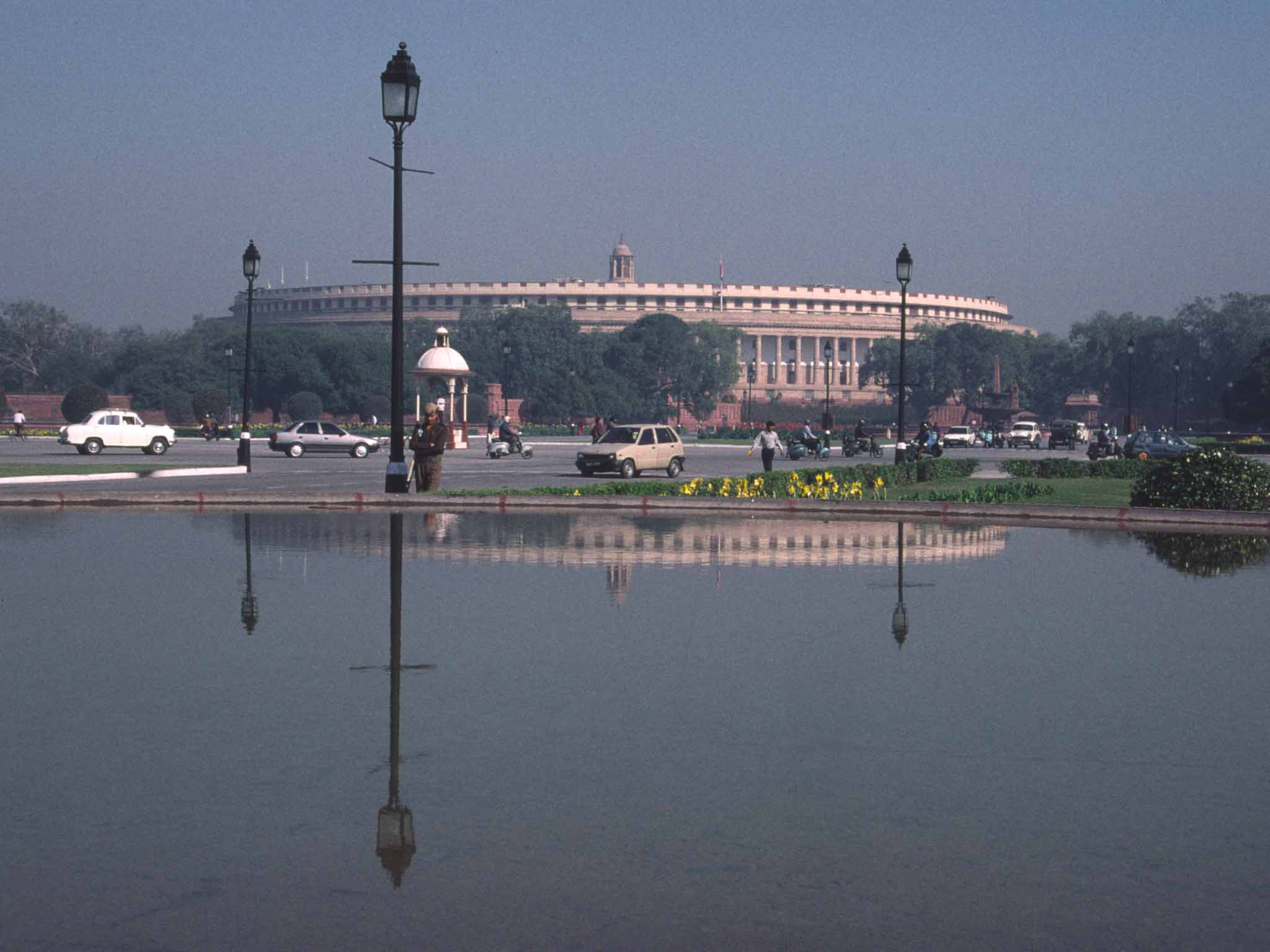
Pralhad Venkatesh Joshi was appointed as India's Union Education Minister on July 25, 2026 [3].
The appointment comes at a critical moment for the Indian government as it attempts to restore public trust in the national examination system. The transition follows the resignation of former minister Dharmendra Pradhan, which occurred after nationwide protests over alleged examination irregularities and the NEET paper-leak controversy [5].
Joshi, a five-time Member of Parliament from Karnataka [1], is a veteran of the Indian political landscape. He has served as a member of the Cabinet since 2019 [2]. In this new role, he will be tasked with managing the fallout from the examination scandals while overseeing the nation's educational policy.
Notably, the government has not stripped Joshi of his previous responsibilities. He retains charge of the Consumer Affairs, Food and Public Distribution, and Renewable Energy ministries [4]. This consolidation of portfolios places significant administrative weight on a single official, a move that may signal the government's reliance on Joshi's experience to stabilize multiple sectors simultaneously.
Joshi's tenure as a Cabinet member has spanned several years, providing him with the institutional knowledge required to navigate the bureaucracy of New Delhi [2]. His appointment is seen as an effort to bring stability to a ministry currently embroiled in controversy and public outcry over the integrity of student assessments [5].
“Pralhad Venkatesh Joshi was appointed as India's Union Education Minister on July 25, 2026.”
By appointing a seasoned five-time MP and long-term Cabinet member to the Education Ministry, the Indian government is prioritizing political stability and experienced management to quell unrest. The decision to allow Joshi to retain three other major portfolios suggests a high level of trust in his capacity to handle multiple crises, but it also creates a concentrated center of power that may face scrutiny regarding administrative bandwidth.


'%2F%3E%0A%20%20%20%20%3Crect%20width%3D'1600'%20height%3D'900'%20fill%3D'url(%23v)'%2F%3E%0A%20%20%20%20%3Cg%20opacity%3D'0.08'%20fill%3D'%23ffffff'%3E%0A%20%20%20%20%20%20%3Ccircle%20cx%3D'1420'%20cy%3D'180'%20r%3D'220'%2F%3E%0A%20%20%20%20%20%20%3Ccircle%20cx%3D'1500'%20cy%3D'760'%20r%3D'120'%2F%3E%0A%20%20%20%20%3C%2Fg%3E%0A%20%20%20%20%3Cline%20x1%3D'80'%20y1%3D'172'%20x2%3D'220'%20y2%3D'172'%20stroke%3D'%23ffffff'%20stroke-width%3D'3'%20stroke-opacity%3D'0.6'%2F%3E%0A%20%20%20%20%3Ctext%20x%3D'80'%20y%3D'140'%20font-family%3D'Inter%2C%20-apple-system%2C%20Helvetica%2C%20sans-serif'%20font-weight%3D'700'%20font-size%3D'28'%20fill%3D'%23ffffff'%20letter-spacing%3D'6'%3EHANNA%20%C2%B7%20NEWS%3C%2Ftext%3E%0A%20%20%20%20%3Ctext%20x%3D'80'%20y%3D'230'%20font-family%3D'Inter%2C%20-apple-system%2C%20Helvetica%2C%20sans-serif'%20font-weight%3D'600'%20font-size%3D'40'%20fill%3D'%23ffffffb3'%20letter-spacing%3D'4'%3EBUSINESS%3C%2Ftext%3E%0A%20%20%20%20%3Ctext%20x%3D'80'%20y%3D'694'%20font-family%3D'Playfair%20Display%2C%20Georgia%2C%20serif'%20font-weight%3D'800'%20font-size%3D'110'%20fill%3D'%23ffffff'%20letter-spacing%3D'-1'%3EOne%20Dead%2C%20Dozens%20Injured%20in%3C%2Ftext%3E%3Ctext%20x%3D'80'%20y%3D'820'%20font-family%3D'Playfair%20Display%2C%20Georgia%2C%20serif'%20font-weight%3D'800'%20font-size%3D'110'%20fill%3D'%23ffffff'%20letter-spacing%3D'-1'%3EKerala%20Bus%20Crash%3C%2Ftext%3E%0A%20%20%20%20%3Ctext%20x%3D'80'%20y%3D'870'%20font-family%3D'Inter%2C%20-apple-system%2C%20Helvetica%2C%20sans-serif'%20font-weight%3D'500'%20font-size%3D'22'%20fill%3D'%23ffffff66'%20letter-spacing%3D'2'%3Enews.hanna-ai.com%3C%2Ftext%3E%0A%20%20%3C%2Fsvg%3E)