Prediction markets are facing a wave of legal challenges as Minnesota and Rhode Island clash with federal regulators and trading platforms.
These disputes center on whether state or federal authorities hold the primary power to regulate event-contract platforms. The outcome could determine if prediction markets, where users bet on the outcome of real-world events, remain legal across different U.S. jurisdictions.
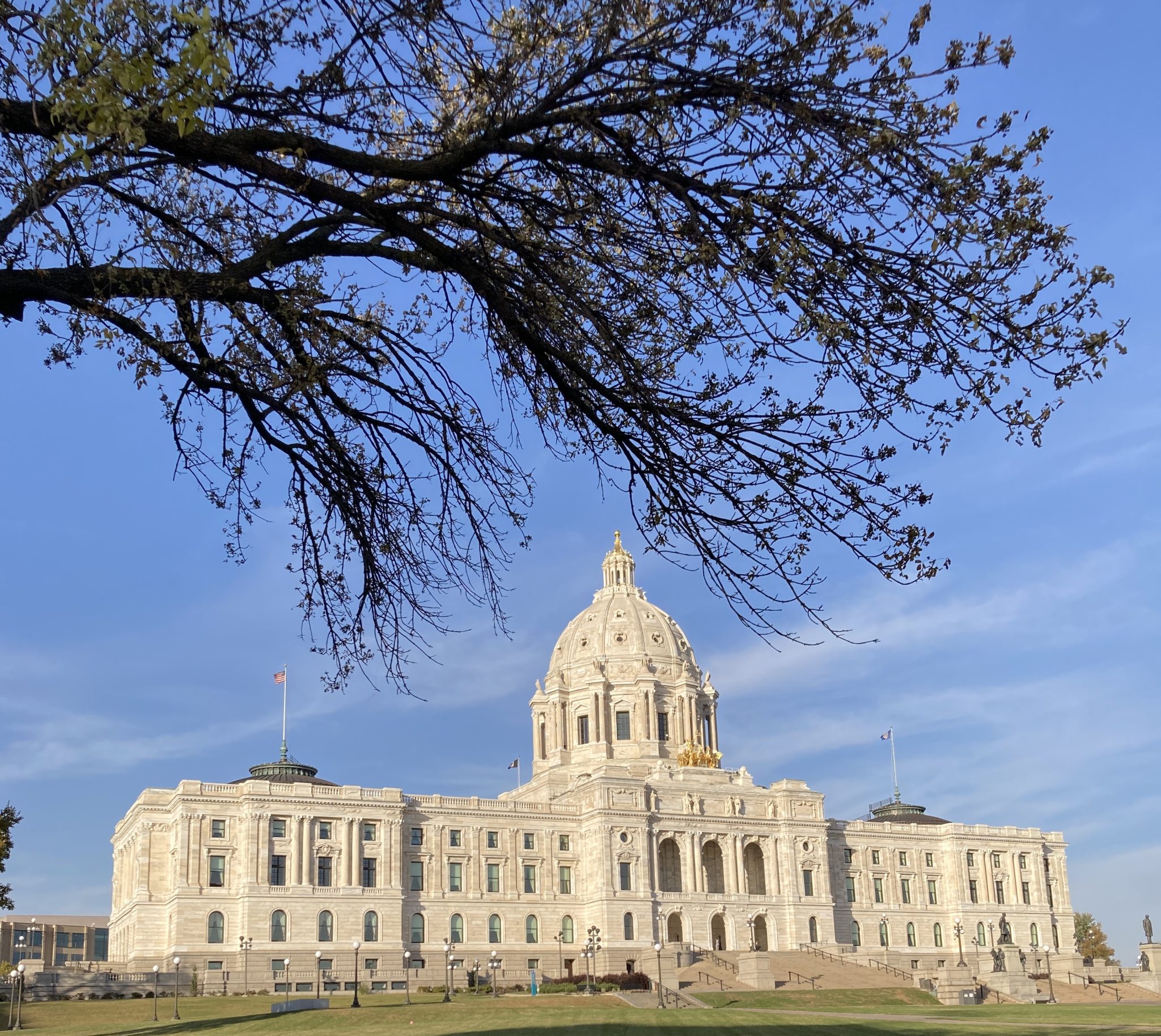
Minnesota has become the first state to ban prediction markets [1]. Under this new legal framework, it is a felony for companies such as Kalshi and Polymarket to operate within the state [1]. This legislative push gained momentum earlier this year when Minnesota lawmakers advanced a bill to ban these markets on April 10, 2026 [2].
Meanwhile, Rhode Island has become a central battleground for similar regulatory conflicts. The Commodity Futures Trading Commission (CFTC) filed a lawsuit against Rhode Island [3]. This action marks the seventh state the commission has sued over the regulation of prediction markets [3].
Parallel legal actions have also emerged from the private sector. Kalshi has engaged in litigation against Rhode Island [4], while other reports indicate the platform has also sued Minnesota [5]. These lawsuits reflect a broader effort by platforms to challenge state-level bans that they argue conflict with federal oversight.
Despite the differing legal strategies, the core of the conflict remains the jurisdiction of the CFTC. Some reports suggest the CFTC is clashing directly with Minnesota over its ban [6], while the agency continues to target state actions it deems as overreach in the derivatives market.
As these cases move through the courts, the legal status of prediction markets remains volatile. The tension between state-level criminal classifications and federal regulatory authority creates a fragmented landscape for operators and users alike.
“Minnesota has become the first state to ban prediction markets”
The escalating legal warfare between the CFTC, private platforms, and state governments indicates a systemic failure to establish a unified regulatory framework for prediction markets. By classifying these activities as felonies in some states while treating them as regulated commodities at the federal level, the U.S. is creating a high-risk environment for fintech companies. This fragmentation likely ensures that the final definition of 'event contracts' will be decided by the judiciary rather than through legislative consensus.