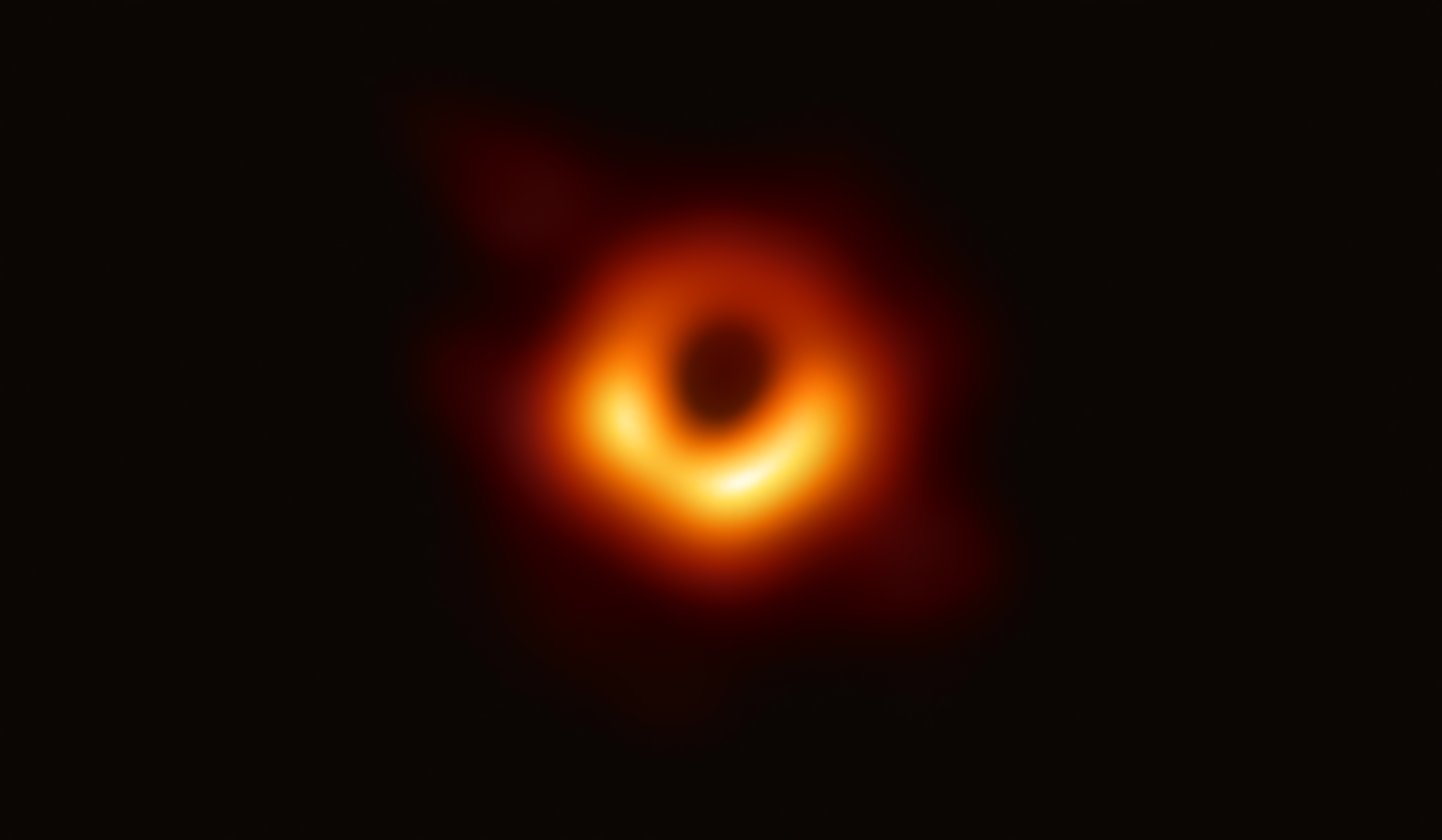
Mathematicians and archaeologists are exploring how prime numbers connect ancient human history to the chaotic regions inside black holes.
This research matters because prime numbers serve as the fundamental building blocks of mathematics. Their mysterious distribution influences everything from modern digital cryptography to the understanding of the universe's most extreme gravitational phenomena.
Prime numbers are numbers that are not products of smaller whole numbers, Jeremiah Bartz said [1]. While they are essential to modern science, the human fascination with these figures dates back millennia. Archaeological evidence shows bone etchings from 20,000 years ago [2] and a clay tablet from 1,800 B.C.E. [3] that indicate an early human interest in these numerical patterns.
Modern research continues to push the boundaries of what is known about these numbers. James Maynard, who was awarded the Fields Medal in 2022 [4], has focused on the distribution of primes. The gaps between these numbers remain a central mystery in the field.
"We still don't understand why some primes sit so far apart from the next and some so close together," Maynard said [5].
Beyond pure mathematics, some scientists are now applying these concepts to astrophysics. Recent studies suggest that prime numbers could describe the chaotic region inside black holes [6]. This potential link suggests that the laws governing the smallest building blocks of arithmetic may also apply to the largest and most complex structures in space.
While technology has revolutionized the search for new primes, the underlying patterns remain elusive. The intersection of archaeology and physics demonstrates that the quest to decode primes is a permanent fixture of human intellectual history.
“"Prime numbers are numbers that are not products of smaller whole numbers."”
The connection between prime numbers and black hole physics suggests a unified mathematical language that governs both discrete arithmetic and continuous physical space. If the distribution of primes can indeed model the interior of a black hole, it may provide a breakthrough in reconciling quantum mechanics with general relativity.

'%2F%3E%0A%20%20%20%20%3Crect%20width%3D'1600'%20height%3D'900'%20fill%3D'url(%23v)'%2F%3E%0A%20%20%20%20%3Cg%20opacity%3D'0.08'%20fill%3D'%23ffffff'%3E%0A%20%20%20%20%20%20%3Ccircle%20cx%3D'1420'%20cy%3D'180'%20r%3D'220'%2F%3E%0A%20%20%20%20%20%20%3Ccircle%20cx%3D'1500'%20cy%3D'760'%20r%3D'120'%2F%3E%0A%20%20%20%20%3C%2Fg%3E%0A%20%20%20%20%3Cline%20x1%3D'80'%20y1%3D'172'%20x2%3D'220'%20y2%3D'172'%20stroke%3D'%23ffffff'%20stroke-width%3D'3'%20stroke-opacity%3D'0.6'%2F%3E%0A%20%20%20%20%3Ctext%20x%3D'80'%20y%3D'140'%20font-family%3D'Inter%2C%20-apple-system%2C%20Helvetica%2C%20sans-serif'%20font-weight%3D'700'%20font-size%3D'28'%20fill%3D'%23ffffff'%20letter-spacing%3D'6'%3EHANNA%20%C2%B7%20NEWS%3C%2Ftext%3E%0A%20%20%20%20%3Ctext%20x%3D'80'%20y%3D'230'%20font-family%3D'Inter%2C%20-apple-system%2C%20Helvetica%2C%20sans-serif'%20font-weight%3D'600'%20font-size%3D'40'%20fill%3D'%23ffffffb3'%20letter-spacing%3D'4'%3ESCIENCE%3C%2Ftext%3E%0A%20%20%20%20%3Ctext%20x%3D'80'%20y%3D'622'%20font-family%3D'Playfair%20Display%2C%20Georgia%2C%20serif'%20font-weight%3D'800'%20font-size%3D'86'%20fill%3D'%23ffffff'%20letter-spacing%3D'-1'%3EProf.%20Alim-Louis%20Benabid%3C%2Ftext%3E%3Ctext%20x%3D'80'%20y%3D'721'%20font-family%3D'Playfair%20Display%2C%20Georgia%2C%20serif'%20font-weight%3D'800'%20font-size%3D'86'%20fill%3D'%23ffffff'%20letter-spacing%3D'-1'%3ERecounts%20Discovery%20of%20Deep%3C%2Ftext%3E%3Ctext%20x%3D'80'%20y%3D'820'%20font-family%3D'Playfair%20Display%2C%20Georgia%2C%20serif'%20font-weight%3D'800'%20font-size%3D'86'%20fill%3D'%23ffffff'%20letter-spacing%3D'-1'%3EBrain%20Stimulation%3C%2Ftext%3E%0A%20%20%20%20%3Ctext%20x%3D'80'%20y%3D'870'%20font-family%3D'Inter%2C%20-apple-system%2C%20Helvetica%2C%20sans-serif'%20font-weight%3D'500'%20font-size%3D'22'%20fill%3D'%23ffffff66'%20letter-spacing%3D'2'%3Enews.hanna-ai.com%3C%2Ftext%3E%0A%20%20%3C%2Fsvg%3E)