
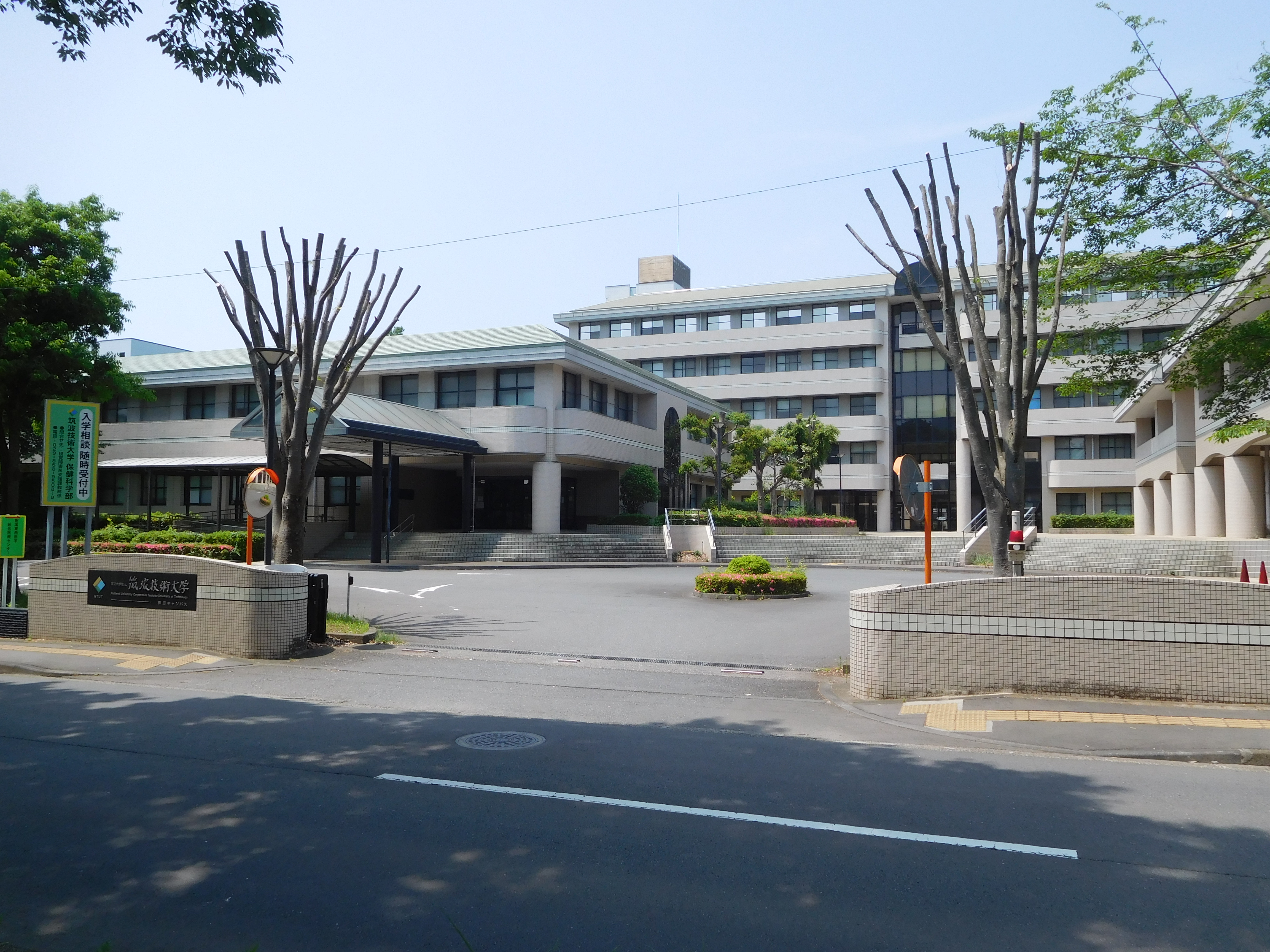
Princess Kiko and Princess Kako attended a citizen exchange meeting with Kyrgyz sign-language trainees on Saturday [1].
The event highlights Japan's diplomatic and social efforts to support the global deaf community through education and cross-cultural exchange. By engaging directly with international trainees, the royal family signals a commitment to creating societies where deaf individuals can thrive.
The royals arrived at the Tsukuba University of Technology in Tsukuba City, Ibaraki Prefecture, around 2:30 p.m. [1]. The university, which was founded in 2005 [2], served as the venue for the gathering aimed at promoting the inclusion of deaf people.
During the meeting, the princesses conversed with the Kyrgyz trainees using sign language. The interaction focused on the initiatives being undertaken in Kyrgyzstan to improve accessibility and social integration for the hearing impaired.
Princess Kako sought to understand the core values of the trainees' work. "What is the most important thing you value in your activities?" she said [2].
The exchange focused on the practical application of sign language as a tool for empowerment. The trainees shared their experiences, and the specific challenges they face while implementing inclusive programs in their home country.
Princess Kiko and Princess Kako expressed their support for the efforts to build a more inclusive environment for deaf individuals. The visit concluded with a discussion on how international cooperation can accelerate the development of support systems for the deaf community across different borders.
“"What is the most important thing you value in your activities?"”
This engagement reflects a strategic use of 'soft diplomacy' by the Japanese Imperial Family to strengthen ties with Central Asian nations. By focusing on disability rights and specialized education, Japan positions itself as a leader in inclusive social infrastructure, leveraging the expertise of institutions like Tsukuba University of Technology to foster international goodwill.


