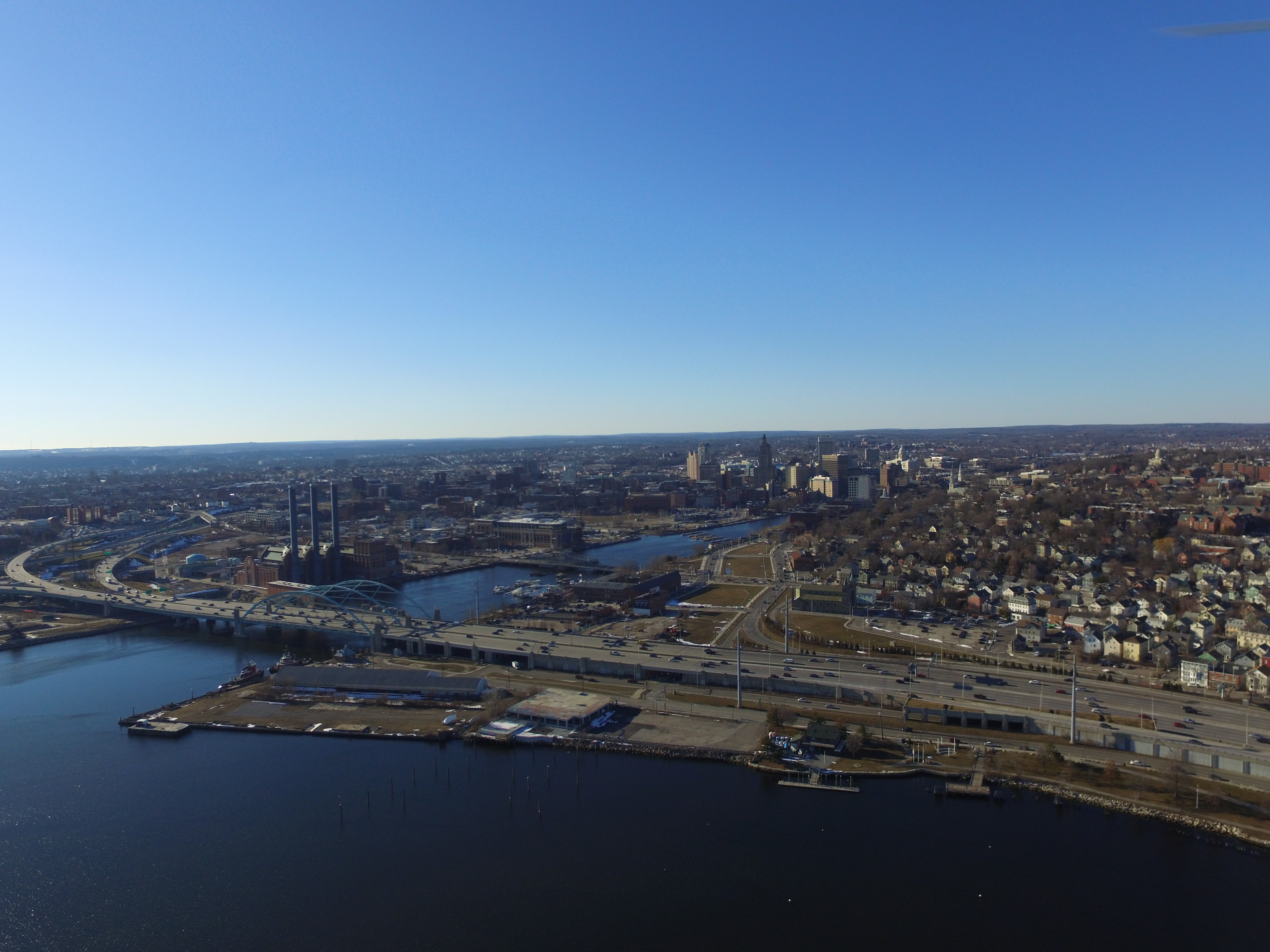
Providence, Rhode Island, will not host any matches during the 2026 FIFA World Cup but intends to serve as a major gathering point for fans [1, 2].
This strategy allows the city to attract international tourism and economic activity without the massive financial burdens associated with hosting official tournament games. By positioning itself as a satellite hub, Providence seeks to capture the spillover from nearby host cities.
City officials and local tourism promoters are targeting fans attending matches in the Boston area [1, 2]. The city is located less than one hour from Gillette Stadium in Foxborough, which is the primary venue for the region [1, 2]. This proximity makes Providence an attractive alternative for visitors seeking lodging and entertainment outside the immediate Boston metropolitan area.
Official host cities, including New York and Boston, face significant challenges during the tournament. These include high security requirements, transportation bottlenecks, and heavy infrastructure costs [1, 2]. Providence avoids these specific mandates while still remaining accessible to the crowds moving through the Northeast corridor.
Local promoters believe the city can offer a more manageable experience for fans who want to be near the action but away from the most congested zones. By focusing on hospitality and fan gatherings, the city hopes to see a boost in local business revenue throughout June and July [1, 2].
The approach reflects a broader trend of non-host cities attempting to benefit from the economic ripple effects of mega-events. Rather than investing in stadium upgrades or specialized security infrastructure, Providence is leveraging its geographic location to attract the tournament's floating population [1, 2].
“Providence will not host any matches of the 2026 FIFA World Cup”
Providence is adopting a 'satellite strategy' to mitigate the risks of hosting a global event. While official host cities must invest heavily in security and infrastructure to meet FIFA standards, Providence can reap the economic rewards of increased tourism with significantly lower overhead. This creates a secondary economic zone that may relieve some of the logistical pressure on Boston's infrastructure during the tournament.