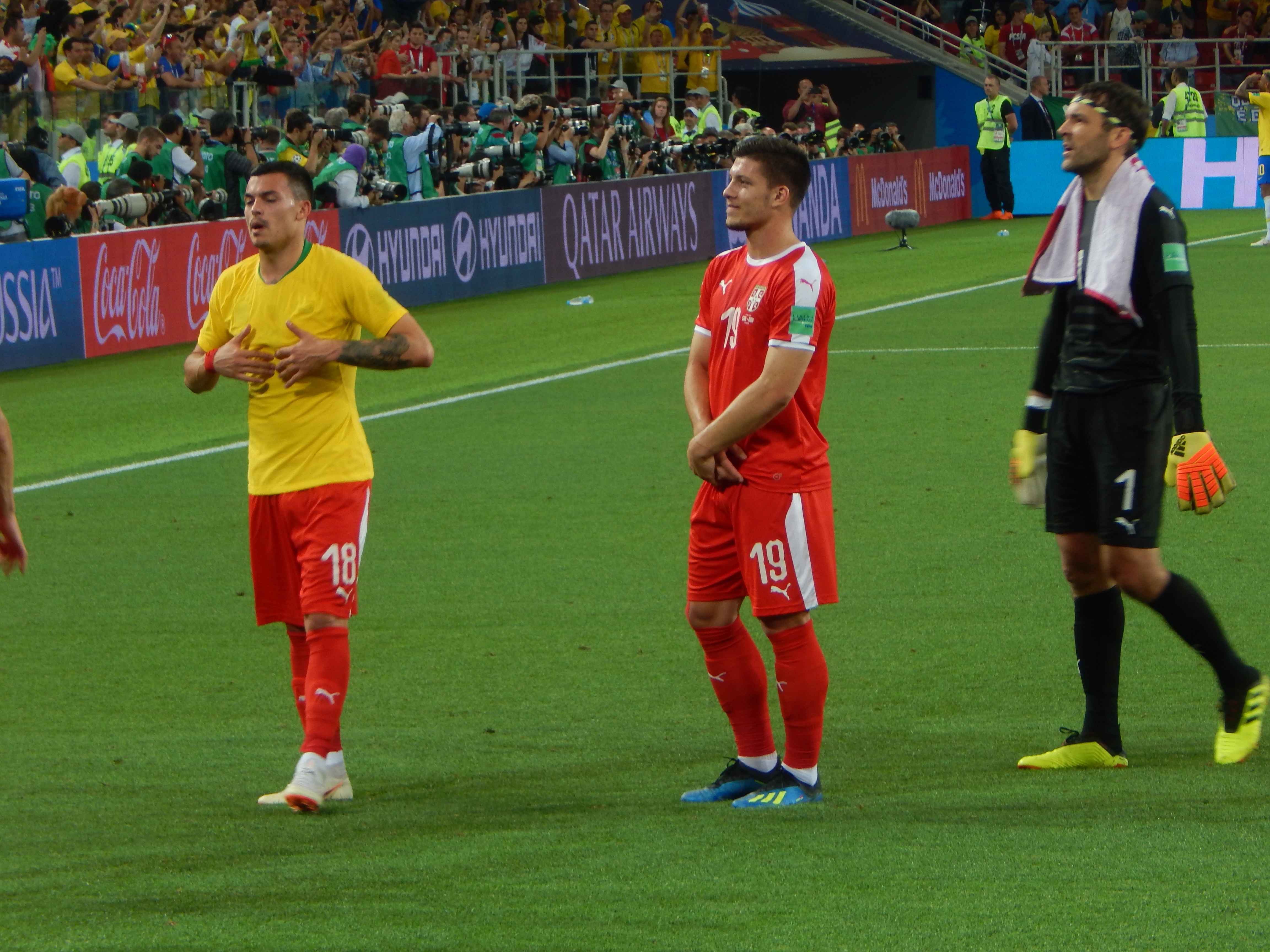
Several Paris Saint-Germain stars will compete as opponents while representing their national teams at the 2026 FIFA World Cup [1].
The situation highlights the globalization of modern club football, where teammates build chemistry in Paris only to face each other in high-stakes international competition. This dynamic creates unique tactical challenges for managers and players who must switch from cooperation to rivalry.
The tournament is being hosted across Canada, Mexico, and the U.S. [3]. Among those transitioning from club allies to international rivals are Ousmane Dembélé, Marquinhos, Vitinha, Pacho, and Rayan Cherki [1]. While these players share a locker room at PSG, their national allegiances place them on opposing sides of the pitch during the tournament [2].
Recent form and fitness have become critical talking points as the competition progresses. Rayan Cherki enters the international stage following a productive season in which he recorded 10 goals and 15 assists across 52 appearances [4]. His ability to create chances makes him a focal point for his national squad.
Other players have faced more difficult preparations. Ousmane Dembélé dealt with a setback earlier this year when he was forced to leave a match in the 27th minute on May 17, 2026 [5]. Such injuries create uncertainty for national team selections and tactical planning.
The friction between club loyalty and national pride is a recurring theme in the 2026 tournament. Players must balance the professional bonds formed in the French league, and the intense pressure of representing their home countries. This tension is most evident in matchups like the Brazil vs. Morocco game on June 13, 2026 [6].
“Club teammates will face each other as opponents representing their national teams.”
The presence of multiple PSG players across opposing national squads underscores the club's strategy of recruiting top global talent. For the tournament, this means certain matchups will feature players with intimate knowledge of each other's strengths and weaknesses, potentially neutralizing tactical advantages and increasing the unpredictability of the games.