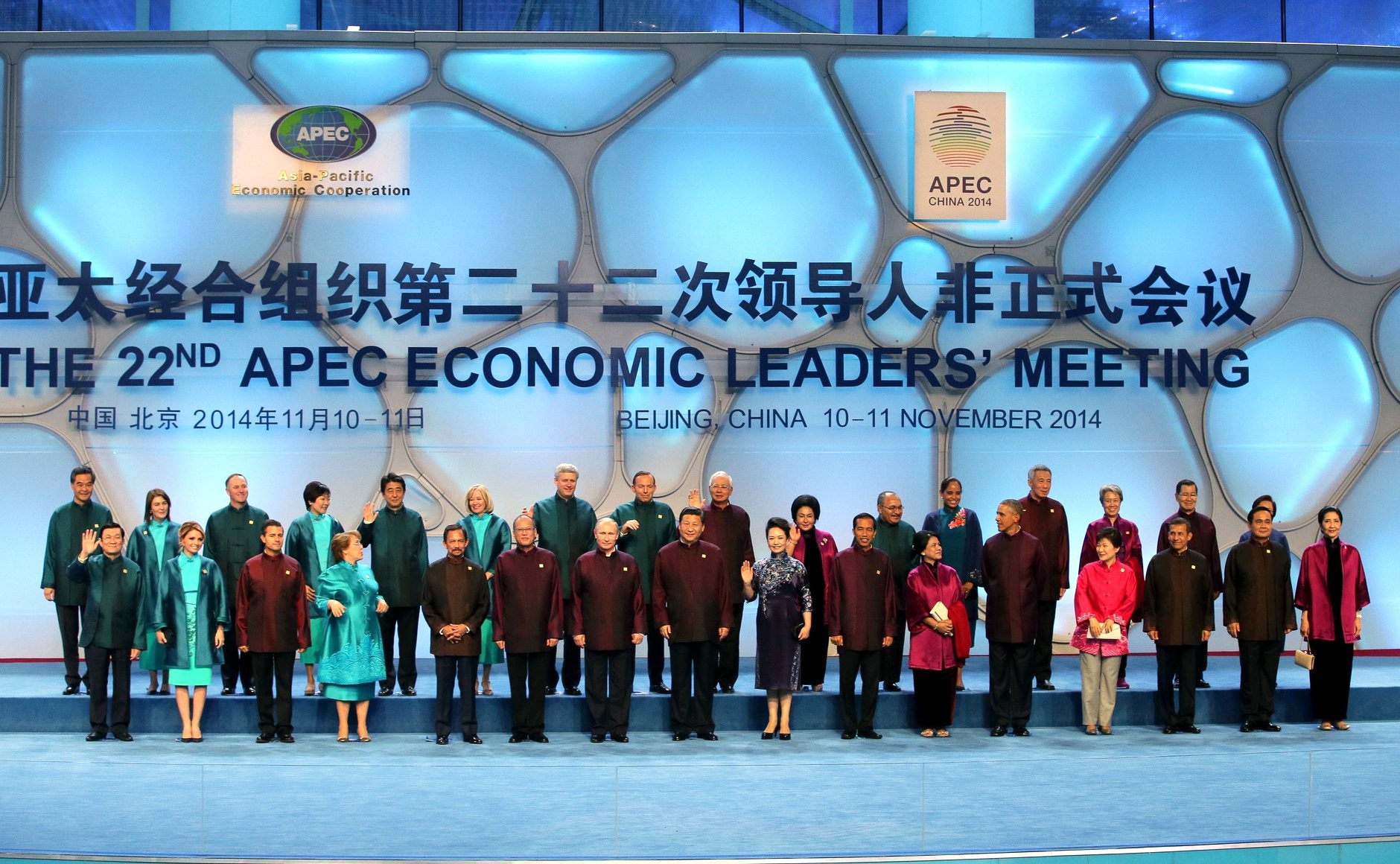
President Vladimir Putin arrived in Beijing on Aug. 30, 2025 [1], to attend a regional summit hosted by President Xi Jinping [2].
The gathering serves as a strategic effort to present an alternative governance model to Western influence while deepening cooperation on security and geopolitical issues [3].
Xi Jinping convened the summit with about 20 foreign leaders [4]. Attendees included the leaders of India, Iran, and Turkey, along with various other Eurasian officials [5]. The high-level meeting focused on several critical global flashpoints, including the war in Ukraine and the conflict in the Middle East [6].
Energy cooperation remained a central pillar of the discussions. The leaders focused on hydrocarbons as a means of strengthening economic ties [6]. This cooperation is highlighted by infrastructure projects such as a gas pipeline that spans 3,000 km in Russia and 5,111 km in China [7].
During the visit, the Russian president said the current state of diplomacy between Moscow and Beijing has "unprecedented" relations [8]. This alignment occurs as both nations seek to expand their influence across Eurasia through shared economic and security interests [3].
Putin's arrival on Sunday morning was marked by a schedule that included the regional summit and a military parade [1]. The event underscores the continuing pivot of Russian diplomacy toward Asia amid ongoing tensions with Western powers [3].
“The chef du Kremlin a salué les relations « sans précédent » entre les deux nations.”
The summit signals a concerted effort by China and Russia to formalize a non-Western bloc of influence. By integrating energy infrastructure—such as the massive transcontinental pipeline—with high-level diplomatic coordination on the Ukraine and Middle East conflicts, these nations are attempting to create a multipolar world order that reduces their reliance on Western financial and political systems.


