
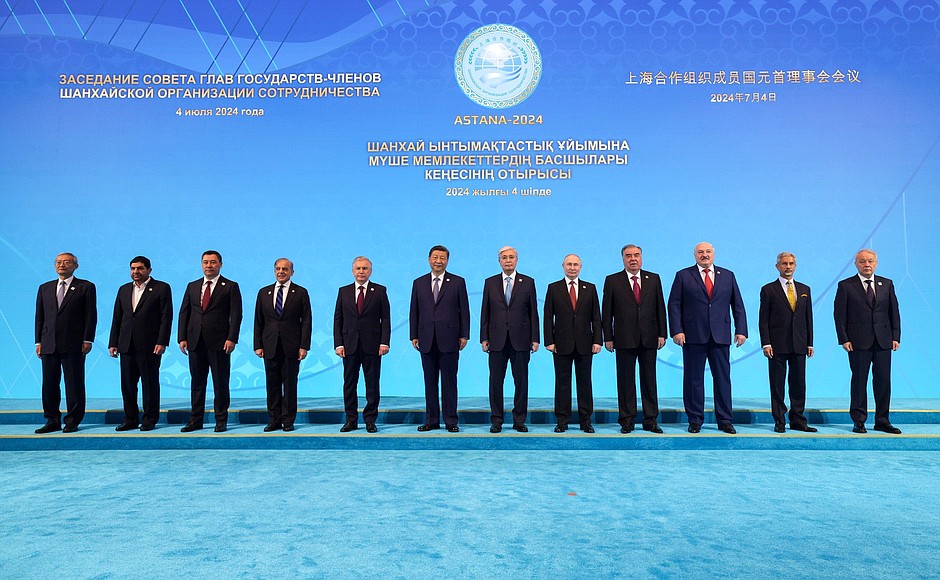
Russian President Vladimir Putin arrived in Astana, Kazakhstan, on Wednesday, May 26, for a three-day state visit [1], [2].
The trip signals a push by Moscow to solidify its influence in Central Asia through high-stakes energy infrastructure and diplomatic renewals. By securing a nuclear power plant deal, Russia aims to tie Kazakhstan's long-term energy grid to Russian technology and oversight.
The visit focused on deepening bilateral ties and negotiating a project for a nuclear power plant [2], [3]. Putin also planned to renew a friendship declaration between the two nations and attend a meeting of the Supreme Eurasian Economic Commission [2], [3].
As a gesture of goodwill ahead of the diplomatic meetings, Putin gifted four Amur tigers to Kazakhstan [1]. This symbolic act preceded the formal discussions regarding the strategic partnership, and economic cooperation in the region.
The visit is characterized as a state visit by some sources, while others describe it as an official three-day visit [2], [3]. Regardless of the designation, the agenda emphasizes a reinforced alignment between the Kremlin and the Kazakh government.
Putin's presence in Astana underscores the importance of the Eurasian Economic Union's stability. The discussions in Kazakhstan serve as a primary vehicle for Russia to maintain its role as a dominant security and economic partner in the region, a position that remains critical for its geopolitical strategy.
“Putin arrived in Astana, Kazakhstan, on Wednesday, May 26, for a three-day state visit.”
This visit demonstrates Russia's strategy of using 'energy diplomacy' to maintain regional hegemony. By transitioning Kazakhstan toward nuclear power provided by Russian expertise, Moscow creates a multi-decade dependency that transcends simple trade agreements. The renewal of friendship declarations and the inclusion of the Supreme Eurasian Economic Commission meeting further integrate Kazakhstan into a Russian-led economic bloc, potentially limiting the influence of Western or Chinese alternatives in the energy sector.


