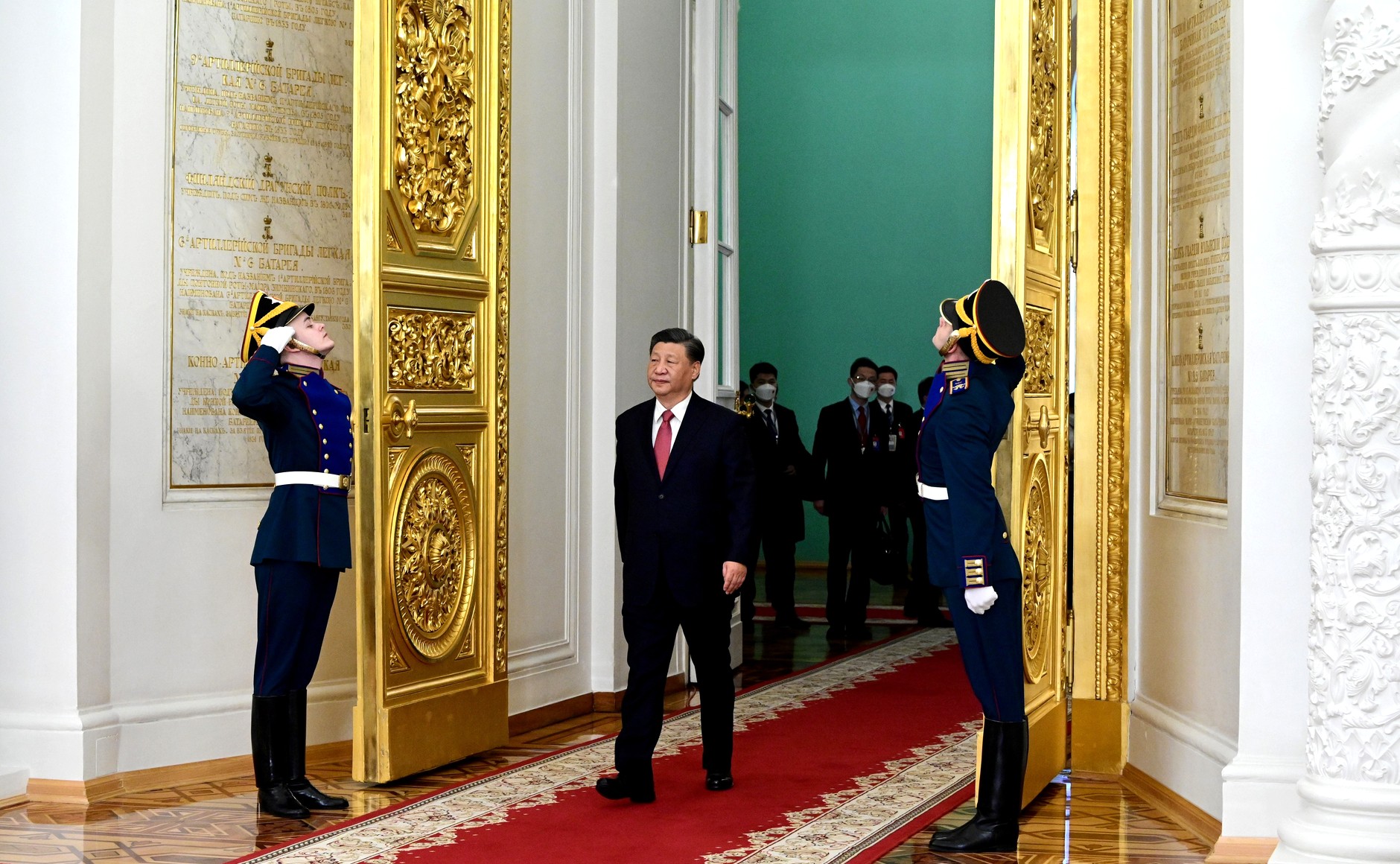
Russian President Vladimir Putin arrived in Beijing on May 19, 2026 [1], for a two-day state visit to meet with Chinese President Xi Jinping.
The timing of the visit is significant as it occurs less than a week [2] after a summit between Donald Trump and President Xi. By hosting the Russian leader shortly after the U.S. president, China aims to project a stable global role and maintain its strategic partnerships.
Officials said the visit is expected to be lower-key than the recent meeting with Trump [3]. The agenda focuses on routine Moscow-Beijing relations, specifically regarding trade, energy, and strategic cooperation [4]. This diplomatic engagement serves as a signal of continuity in the relationship between the two nations despite shifting dynamics with the West.
Xi Jinping said Putin is an "old friend" [5] during the proceedings. A Chinese statement also said the Russian leader is a "dear friend" [6].
While the U.S. summit focused on high-level negotiations, the meetings in Beijing are designed to reinforce existing ties. The two-day itinerary will involve discussions on how to coordinate their roles in a changing international landscape, a move that emphasizes a unified front against external pressures.
Russia and China have increasingly aligned their interests in recent years. This visit underscores the importance of the energy sector, as Russia continues to rely on Chinese markets for its exports while China secures a steady supply of natural resources.
“"old friend"”
The rapid succession of visits by both the U.S. and Russian presidents allows China to position itself as a central diplomatic hub. By balancing a high-profile summit with Donald Trump and a routine state visit with Vladimir Putin, Beijing demonstrates its ability to manage competing global powers while stabilizing its primary strategic alliance with Moscow.


