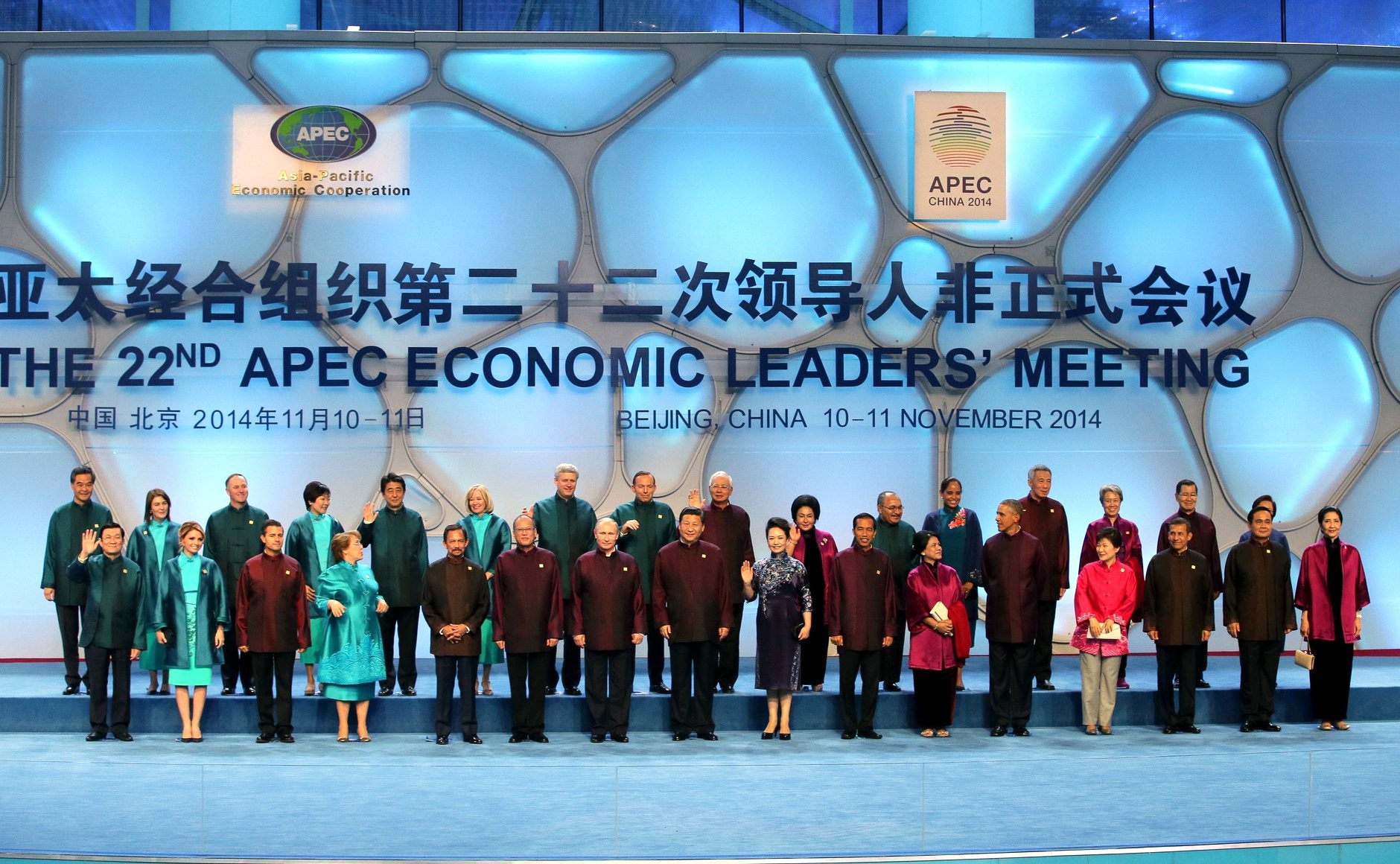
Russian President Vladimir Putin and Chinese President Xi Jinping met in Beijing on Nov. 22, 2023, to pledge deeper cooperation between their nations [1, 2].
The meeting serves as a strategic signal of stability between Moscow and Beijing amid an unpredictable U.S. administration and escalating tensions in West Asia. By coordinating their diplomatic and economic efforts, the two leaders aim to counter U.S. influence and establish a joint front on global security.
The summit occurred less than seven days after a visit to Beijing by U.S. President Donald Trump [3]. During the talks, the leaders described their bilateral relationship as unyielding and at an unprecedented high [1, 4].
Energy trade emerged as a primary pillar of the expanded cooperation. Putin said the friendship between the two countries is growing, specifically within the field of energy trade [5]. This economic alignment seeks to insulate both nations from Western sanctions and market volatility.
Beyond economics, the leaders addressed the instability in West Asia. Xi said the two nations call for an immediate end to all hostilities in the region [6]. This joint call for peace positions the two powers as alternative mediators to the U.S. in Middle Eastern conflicts.
Xi said the current state of their ties are at an unprecedented high [4]. The discussions focused on regional peace, and the strength of the China-Russia partnership as a counterbalance to shifting Western foreign policy [1, 7].
“Our ties are at an unprecedented high.”
The timing of this summit—occurring immediately after a U.S. presidential visit—suggests that China and Russia are intentionally synchronizing their foreign policies to hedge against U.S. volatility. By expanding energy trade and jointly addressing West Asian conflicts, they are moving from a tactical alignment toward a more formal strategic bloc designed to challenge U.S. hegemony in the Indo-Pacific and Middle East.


'%2F%3E%0A%20%20%20%20%3Crect%20width%3D'1600'%20height%3D'900'%20fill%3D'url(%23v)'%2F%3E%0A%20%20%20%20%3Cg%20opacity%3D'0.08'%20fill%3D'%23ffffff'%3E%0A%20%20%20%20%20%20%3Ccircle%20cx%3D'1420'%20cy%3D'180'%20r%3D'220'%2F%3E%0A%20%20%20%20%20%20%3Ccircle%20cx%3D'1500'%20cy%3D'760'%20r%3D'120'%2F%3E%0A%20%20%20%20%3C%2Fg%3E%0A%20%20%20%20%3Cline%20x1%3D'80'%20y1%3D'172'%20x2%3D'220'%20y2%3D'172'%20stroke%3D'%23ffffff'%20stroke-width%3D'3'%20stroke-opacity%3D'0.6'%2F%3E%0A%20%20%20%20%3Ctext%20x%3D'80'%20y%3D'140'%20font-family%3D'Inter%2C%20-apple-system%2C%20Helvetica%2C%20sans-serif'%20font-weight%3D'700'%20font-size%3D'28'%20fill%3D'%23ffffff'%20letter-spacing%3D'6'%3EHANNA%20%C2%B7%20NEWS%3C%2Ftext%3E%0A%20%20%20%20%3Ctext%20x%3D'80'%20y%3D'230'%20font-family%3D'Inter%2C%20-apple-system%2C%20Helvetica%2C%20sans-serif'%20font-weight%3D'600'%20font-size%3D'40'%20fill%3D'%23ffffffb3'%20letter-spacing%3D'4'%3EWORLD%3C%2Ftext%3E%0A%20%20%20%20%3Ctext%20x%3D'80'%20y%3D'622'%20font-family%3D'Playfair%20Display%2C%20Georgia%2C%20serif'%20font-weight%3D'800'%20font-size%3D'86'%20fill%3D'%23ffffff'%20letter-spacing%3D'-1'%3EBonnie%20Tyler%2C%20%26apos%3BTotal%3C%2Ftext%3E%3Ctext%20x%3D'80'%20y%3D'721'%20font-family%3D'Playfair%20Display%2C%20Georgia%2C%20serif'%20font-weight%3D'800'%20font-size%3D'86'%20fill%3D'%23ffffff'%20letter-spacing%3D'-1'%3EEclipse%20of%20the%20Heart%26apos%3B%3C%2Ftext%3E%3Ctext%20x%3D'80'%20y%3D'820'%20font-family%3D'Playfair%20Display%2C%20Georgia%2C%20serif'%20font-weight%3D'800'%20font-size%3D'86'%20fill%3D'%23ffffff'%20letter-spacing%3D'-1'%3Esinger%2C%20dies%20at%2075%3C%2Ftext%3E%0A%20%20%20%20%3Ctext%20x%3D'80'%20y%3D'870'%20font-family%3D'Inter%2C%20-apple-system%2C%20Helvetica%2C%20sans-serif'%20font-weight%3D'500'%20font-size%3D'22'%20fill%3D'%23ffffff66'%20letter-spacing%3D'2'%3Enews.hanna-ai.com%3C%2Ftext%3E%0A%20%20%3C%2Fsvg%3E)