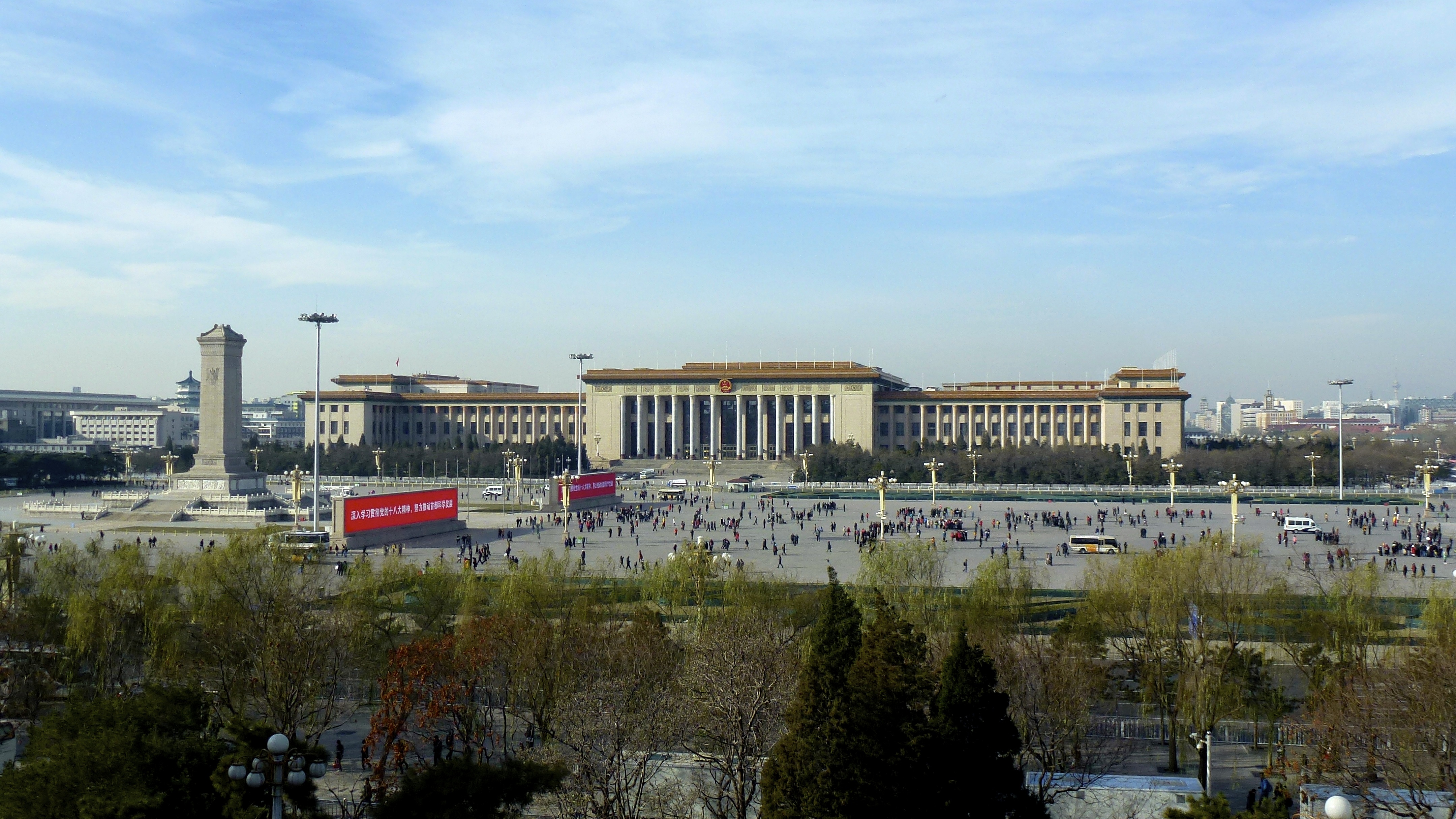
Russian President Vladimir Putin and Chinese President Xi Jinping began a summit in Beijing on Wednesday to discuss Iran and energy cooperation [1].
The meeting signals a deepening strategic alignment between the two powers as they seek to coordinate their responses to instability in the Middle East and challenge the global influence of the U.S.
The leaders convened at the People's Hall around 12:30 p.m. Japan Standard Time [1]. According to officials, the talks aim to expand energy collaboration, and deepen mutual trust while addressing the worsening situation in Iran [2].
Xi said that the two nations have continuously deepened trust and cooperation through numerous trials. He said that China and Russia, as major global powers, should support each other's national development from a long-term strategic perspective [1].
The partnership is framed as a counterweight to what the leaders described as unilateral U.S. hegemony [2]. By aligning their diplomatic and economic strategies, Beijing and Moscow intend to create a more multipolar global order.
Energy security remains a central pillar of the discussions. Putin said that Russia is a reliable energy supplier amidst the chaos in the Middle East [1]. This statement underscores Russia's intent to leverage its natural resources to secure China's long-term energy needs.
Beyond energy, the leaders are focusing on the strategic partnership to navigate current geopolitical tensions. The summit serves as a platform to synchronize their approaches toward international conflicts, and trade policies [2].
“Russia is a reliable energy supplier amidst the chaos in the Middle East.”
This summit reinforces a growing axis of cooperation between Moscow and Beijing, specifically targeting U.S. diplomatic and economic dominance. By focusing on Iran and energy, the two leaders are attempting to stabilize their respective spheres of influence while ensuring that Russia remains China's primary energy partner during periods of Middle Eastern volatility.


