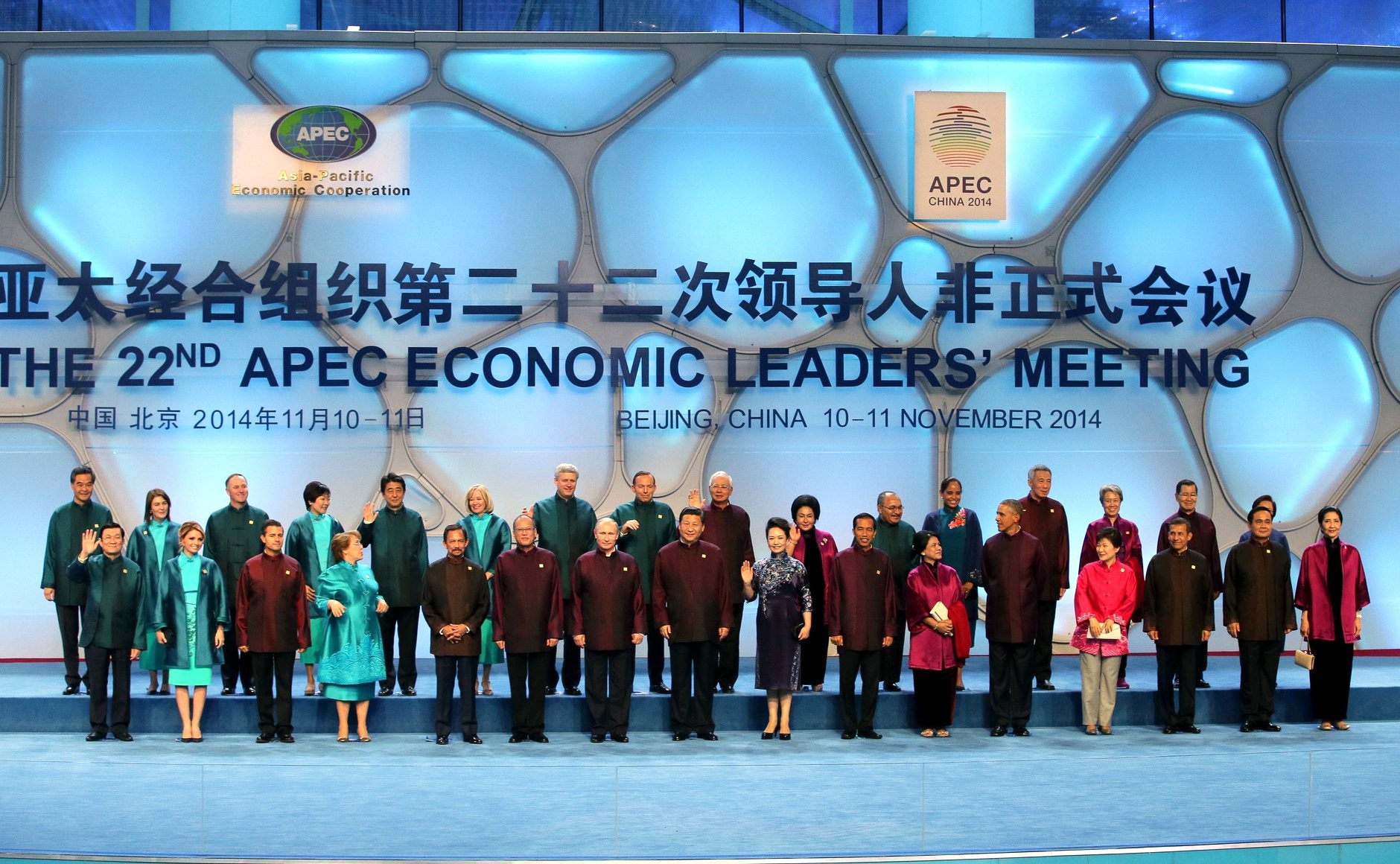
Russian President Vladimir Putin arrived in Beijing on Wednesday for a state visit and high-stakes talks with Chinese President Xi Jinping [1, 2, 3].
The meeting signals a deepening strategic alliance between the two powers as they navigate Western sanctions and the ongoing war in Ukraine [2, 4]. By formalizing ties in energy and defense, both nations seek to create a counterweight to U.S. global influence.
During the visit, the leaders signed bilateral agreements focusing on energy, trade, and military cooperation [2, 3, 4]. These deals are intended to stabilize the Russian economy and secure long-term energy markets for China. The summit follows a period of heightened diplomatic coordination between Moscow and Beijing.
Xi Jinping described the relationship as a stabilizing force in a volatile global landscape. "Our ties are a force of 'calm amid chaos'," Xi said [5].
Vladimir Putin echoed this sentiment during the red-carpet welcome. "Our friendship is at an unprecedented high," Putin said [4].
Beyond bilateral trade, the two leaders discussed the broader global order and regional conflicts. Xi addressed the ongoing instability in other parts of the world, specifically targeting the Levant. "We call for a halt to fighting in the Middle East," Xi said [1].
The discussions emphasized a shared desire to reshape international governance and reduce reliance on Western financial and political systems. The state visit serves as a public demonstration of solidarity—a move designed to show that neither country is isolated despite international pressure [2, 3].
“"Our ties are a force of 'calm amid chaos'."”
The alignment of Russia and China through formal military and energy pacts suggests a transition from a marriage of convenience to a structured strategic bloc. By integrating their economies and security apparatuses, Moscow and Beijing are attempting to build a parallel international system that is resilient to Western economic sanctions and diplomatic isolation.


