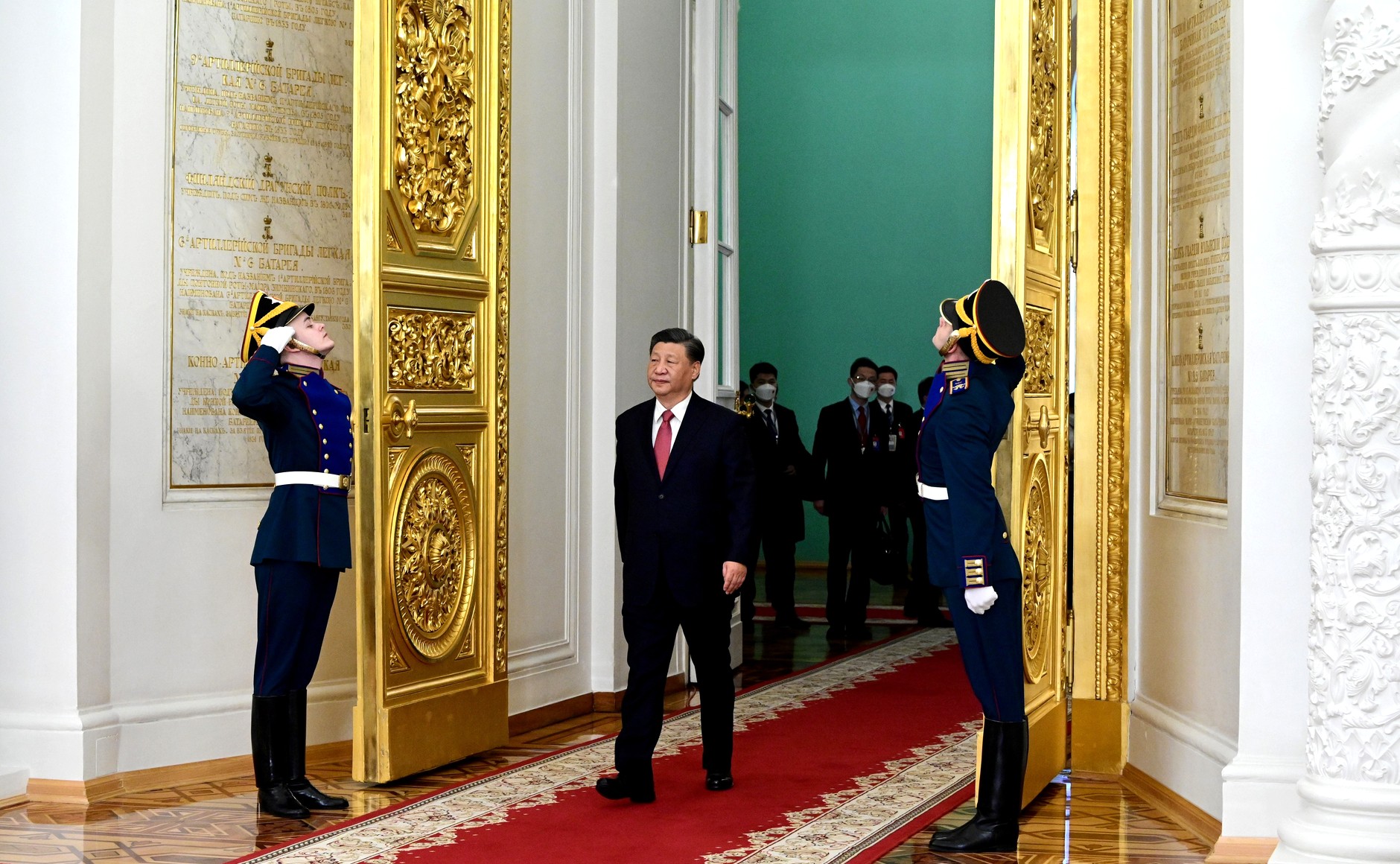
Russian President Vladimir Putin arrived in Beijing on Tuesday evening, May 19, 2026 [1], for an official state visit with President Xi Jinping.
The meeting comes at a critical time for Moscow as it seeks to counter diplomatic isolation and secure economic stability through its partnership with China. This visit follows the recent departure of Donald Trump from Beijing, signaling a high-stakes diplomatic sequence for the Chinese leadership.
Putin is scheduled to stay in the capital for two days [2]. The primary objective of the visit is to reinforce the bilateral strategic partnership between the two nations. According to statements reported by Le Figaro, the leaders intend to "renforcer le partenariat stratégique bilatéral et échanger leurs opinions sur les grandes questions internationales et régionales" [3].
Economic ties and regional instability are central to the agenda. Reports indicate that the conflict in Iran and the economic links between China and Russia will be key topics of discussion [4]. The visit serves as a mechanism for Russia to maintain a global presence despite Western pressure.
Observers note that Russia remains heavily dependent on Chinese economic support. By coordinating on major international and regional issues, both leaders aim to present a unified front against Western influence. The timing of the visit — arriving shortly after a U.S. delegation — underscores China's role as a pivotal mediator and partner in current global geopolitics [5].
Putin said the visit is intended to strengthen the strategic bond and share perspectives on global affairs [3]. The discussions are expected to cover security frameworks, and trade agreements designed to shield both economies from external sanctions.
“The Russian president began a two-day visit to China to reinforce bilateral ties and discuss regional conflicts.”
This visit reinforces the 'no-limits' partnership between Moscow and Beijing, demonstrating that Russia has a viable alternative to Western diplomatic channels. By focusing on the conflict in Iran and economic interdependence, the two powers are coordinating their influence over Eurasian security and trade, effectively creating a geopolitical bloc to counterbalance U.S. interests in the region.


