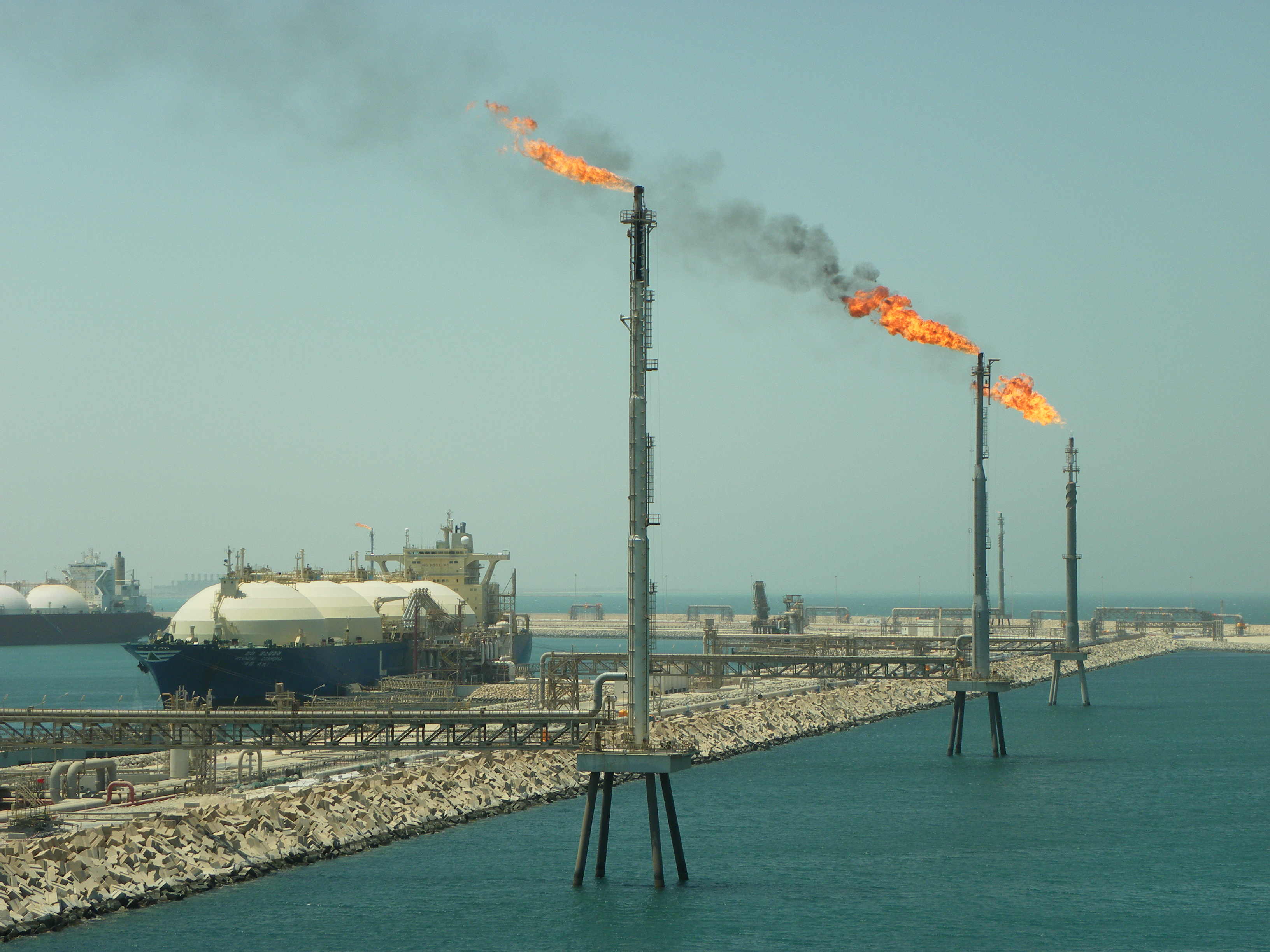
A massive explosion at Qatar's Ras Laffan LNG complex on Sunday killed 13 people and injured 66 others [1], [2].
The incident highlights the extreme risks associated with restarting critical energy infrastructure after prolonged shutdowns, particularly for the migrant workforce staffing these facilities.
Of those killed, 12 were Indian nationals [1]. Other foreign workers, including Pakistanis, were also among the casualties [1]. Emergency services responded to the scene at the Ras Laffan complex, where 66 people sustained injuries during the blast [1], [3].
Authorities said the explosion occurred during restart operations at the Barzan gas facility [2], [3]. The plant was being brought back online following months of disruption [2], [3].
Ras Laffan is a central hub for Qatar's liquefied natural gas production. The sudden nature of the blast during the reactivation process suggests a potential failure in the safety protocols or equipment integrity during the transition from a dormant state to active operation.
Medical teams treated the injured at the site and nearby clinics. The specific cause of the ignition has not been detailed, though the timing coincides with the facility's efforts to resume full production capacity [3].
“A massive explosion at Qatar's Ras Laffan LNG complex on Sunday killed 13 people”
The loss of life at Ras Laffan underscores the volatility of LNG infrastructure during the 'restart' phase, which is often more dangerous than steady-state operation. Because the majority of the casualties were foreign nationals, the event may trigger diplomatic pressure from India and Pakistan regarding safety standards and worker protections in Qatar's energy sector.


