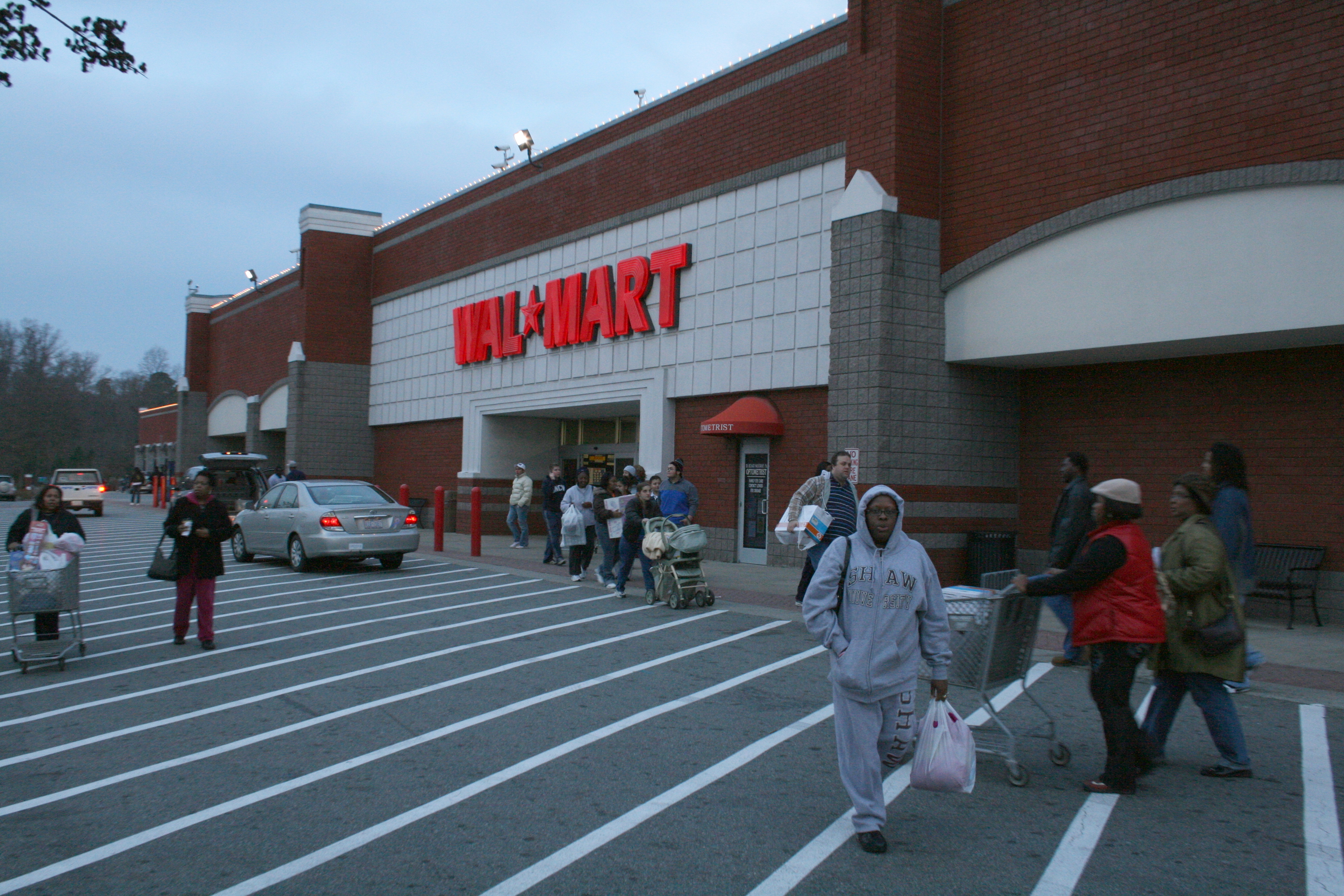
People seeking exclusive products, new restaurants, and freebies frequently overspend after waiting in lines for access [1, 2].
This behavioral pattern reveals how perceived scarcity overrides financial discipline. When consumers invest time and effort into a queue, they often feel a psychological pressure to justify that investment through a purchase, regardless of the actual cost.
According to a report from The Globe and Mail, the act of lining up for exclusive offerings almost always leads to overspending later [1]. This trend is visible across various sectors, from the opening of high-end eateries to the release of limited-edition merchandise and ticketed events [1, 2].
Psychological drivers play a central role in this spending cycle. The anticipation built during the wait increases the perceived value of the item or experience. This creates a feedback loop where the consumer feels that the scarcity of the product makes the high price tag acceptable.
Fabien Frankel said, "It’s about the perceived value, the scarcity, and the FOMO" [3]. This "fear of missing out" encourages individuals to act impulsively to ensure they do not leave the line empty-handed after a significant time commitment.
These patterns are not limited to physical locations. Similar dynamics appear on online platforms where digital queues and countdown timers simulate the same sense of urgency and exclusivity found in physical lines [2]. The result is a consistent trend of impulsive spending driven by the social and psychological pressure of the crowd.
“Lining up for exclusive products, new restaurants, and even freebies almost always leads to overspending later.”
This trend illustrates the power of 'sunk cost fallacy' in consumer psychology. By investing time in a queue, consumers perceive a higher value in the end product to justify their effort, allowing brands to leverage artificial scarcity to increase profit margins and drive impulsive purchasing behavior.


