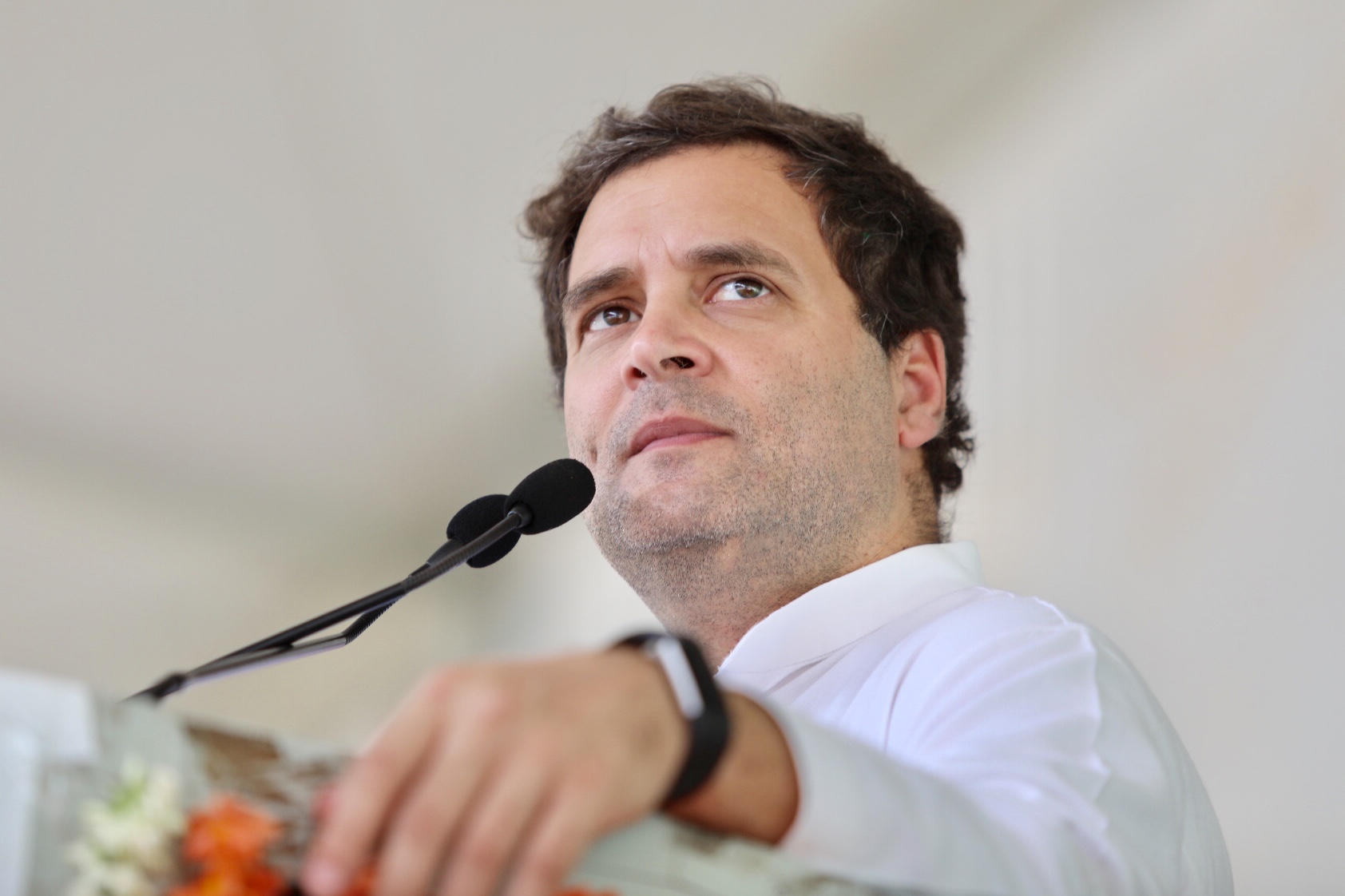
Rahul Gandhi rejected an offer from Union Home Minister Amit Shah to debate the handling of student protests in Delhi.
The exchange highlights a deepening divide between India's government and the opposition regarding the use of police force against civilian demonstrators. The confrontation centers on whether the Home Ministry directly authorized actions taken by security forces during the unrest.
Speaking in the Lok Sabha on July 29, 2026 [1], Gandhi said that he was not interested in receiving "lectures" from the Home Minister. He declined the invitation for a formal discussion, saying he did "don't want to listen."
Gandhi said that Shah was responsible for authorizing police excesses against the students. He presented a binary choice regarding the minister's role in the events. "If Shah gave the order he was culpable, and if he did not, he was incompetent," Gandhi said.
Following these accusations, Gandhi demanded that Shah resign from his post. The Leader of Opposition said that the Home Minister's failure to prevent police action, or his direct role in ordering it, made his position untenable.
The government has pushed back against these claims. Jitendra Singh, representing the administration, rejected the assertion that the Home Minister ordered firing on the protesting students. Singh said, "No Minister Can Issue Such Orders."
While the BJP has demanded an apology for the accusations, Gandhi said that the accountability for the police response rests solely with the Home Ministry. The refusal to engage in a debate suggests that the opposition views the issue not as a matter of policy disagreement, but as a matter of legal and moral culpability.
“"If Shah gave the order he was culpable, and if he did not, he was incompetent."”
The refusal to debate indicates that the opposition is shifting its strategy from legislative deliberation to direct accountability and demands for resignation. By framing the Home Minister's role as either 'culpable' or 'incompetent,' the opposition seeks to eliminate the middle ground of administrative error, instead positioning the Delhi student protests as a failure of leadership that warrants a change in government personnel.


