
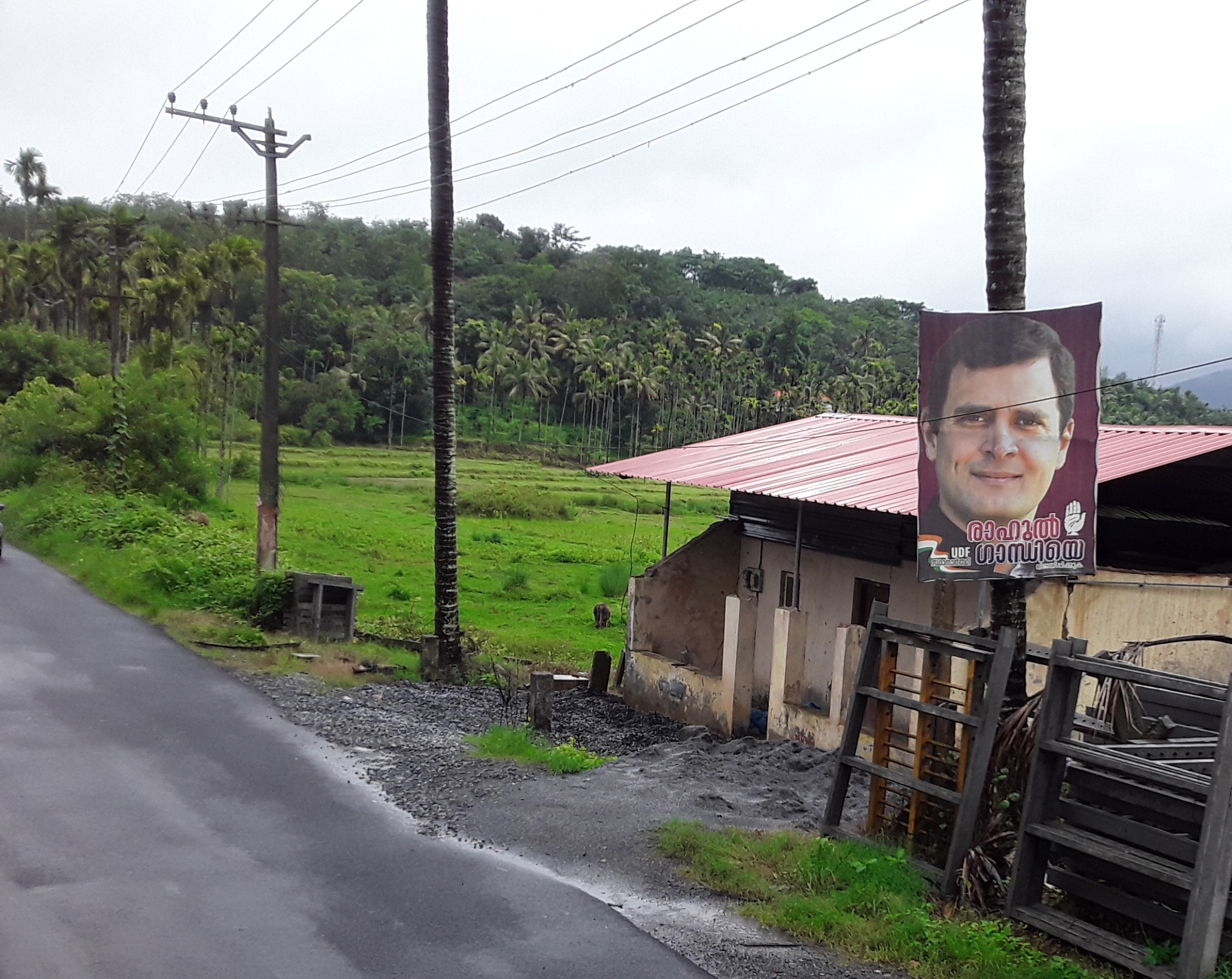
Rahul Gandhi, Leader of the Opposition in the Lok Sabha, criticized the Central Board of Secondary Education on Monday over its post-result fee structure [1, 2].
The dispute centers on the board's On-Screen Marking (OSM) system. Gandhi said students are being forced to pay for scanned copies, re-totalling, and re-evaluation to correct errors caused by the board's own systemic failures [1, 2].
Gandhi said students are being penalized for answer-sheet mix-ups and that the current fee structure constitutes an injustice toward young learners [1, 2]. He said the central government is allowing a system where students must pay to rectify institutional mistakes [1, 2].
In response to the criticism, Gandhi addressed attempts to deflect the issue. He said, "Attacks on me won't absolve crimes" [2]. He said the government's response to the controversy is providing "insults instead of answers" [2].
Government officials have responded to the accusations. Dharmendra Pradhan said he was "frustrated" regarding the nature of the exchange [2].
The controversy highlights ongoing tensions between the opposition and the central government regarding the administration of national education standards, and the transparency of digital marking processes [1, 2].
“"Attacks on me won't absolve crimes"”
This confrontation reflects a broader political effort by the opposition to champion student rights and challenge the efficacy of the government's digital transition in education. By focusing on the financial burden of the On-Screen Marking fees, Gandhi is framing a technical administrative issue as a matter of social justice and government accountability.


'%2F%3E%0A%20%20%20%20%3Crect%20width%3D'1600'%20height%3D'900'%20fill%3D'url(%23v)'%2F%3E%0A%20%20%20%20%3Cg%20opacity%3D'0.08'%20fill%3D'%23ffffff'%3E%0A%20%20%20%20%20%20%3Ccircle%20cx%3D'1420'%20cy%3D'180'%20r%3D'220'%2F%3E%0A%20%20%20%20%20%20%3Ccircle%20cx%3D'1500'%20cy%3D'760'%20r%3D'120'%2F%3E%0A%20%20%20%20%3C%2Fg%3E%0A%20%20%20%20%3Cline%20x1%3D'80'%20y1%3D'172'%20x2%3D'220'%20y2%3D'172'%20stroke%3D'%23ffffff'%20stroke-width%3D'3'%20stroke-opacity%3D'0.6'%2F%3E%0A%20%20%20%20%3Ctext%20x%3D'80'%20y%3D'140'%20font-family%3D'Inter%2C%20-apple-system%2C%20Helvetica%2C%20sans-serif'%20font-weight%3D'700'%20font-size%3D'28'%20fill%3D'%23ffffff'%20letter-spacing%3D'6'%3EHANNA%20%C2%B7%20NEWS%3C%2Ftext%3E%0A%20%20%20%20%3Ctext%20x%3D'80'%20y%3D'230'%20font-family%3D'Inter%2C%20-apple-system%2C%20Helvetica%2C%20sans-serif'%20font-weight%3D'600'%20font-size%3D'40'%20fill%3D'%23ffffffb3'%20letter-spacing%3D'4'%3EWORLD%3C%2Ftext%3E%0A%20%20%20%20%3Ctext%20x%3D'80'%20y%3D'622'%20font-family%3D'Playfair%20Display%2C%20Georgia%2C%20serif'%20font-weight%3D'800'%20font-size%3D'86'%20fill%3D'%23ffffff'%20letter-spacing%3D'-1'%3EPakistan%20Cuts%20Petrol%20and%3C%2Ftext%3E%3Ctext%20x%3D'80'%20y%3D'721'%20font-family%3D'Playfair%20Display%2C%20Georgia%2C%20serif'%20font-weight%3D'800'%20font-size%3D'86'%20fill%3D'%23ffffff'%20letter-spacing%3D'-1'%3EDiesel%20Prices%20by%20Rs%2022%20Per%3C%2Ftext%3E%3Ctext%20x%3D'80'%20y%3D'820'%20font-family%3D'Playfair%20Display%2C%20Georgia%2C%20serif'%20font-weight%3D'800'%20font-size%3D'86'%20fill%3D'%23ffffff'%20letter-spacing%3D'-1'%3ELitre%3C%2Ftext%3E%0A%20%20%20%20%3Ctext%20x%3D'80'%20y%3D'870'%20font-family%3D'Inter%2C%20-apple-system%2C%20Helvetica%2C%20sans-serif'%20font-weight%3D'500'%20font-size%3D'22'%20fill%3D'%23ffffff66'%20letter-spacing%3D'2'%3Enews.hanna-ai.com%3C%2Ftext%3E%0A%20%20%3C%2Fsvg%3E)
