
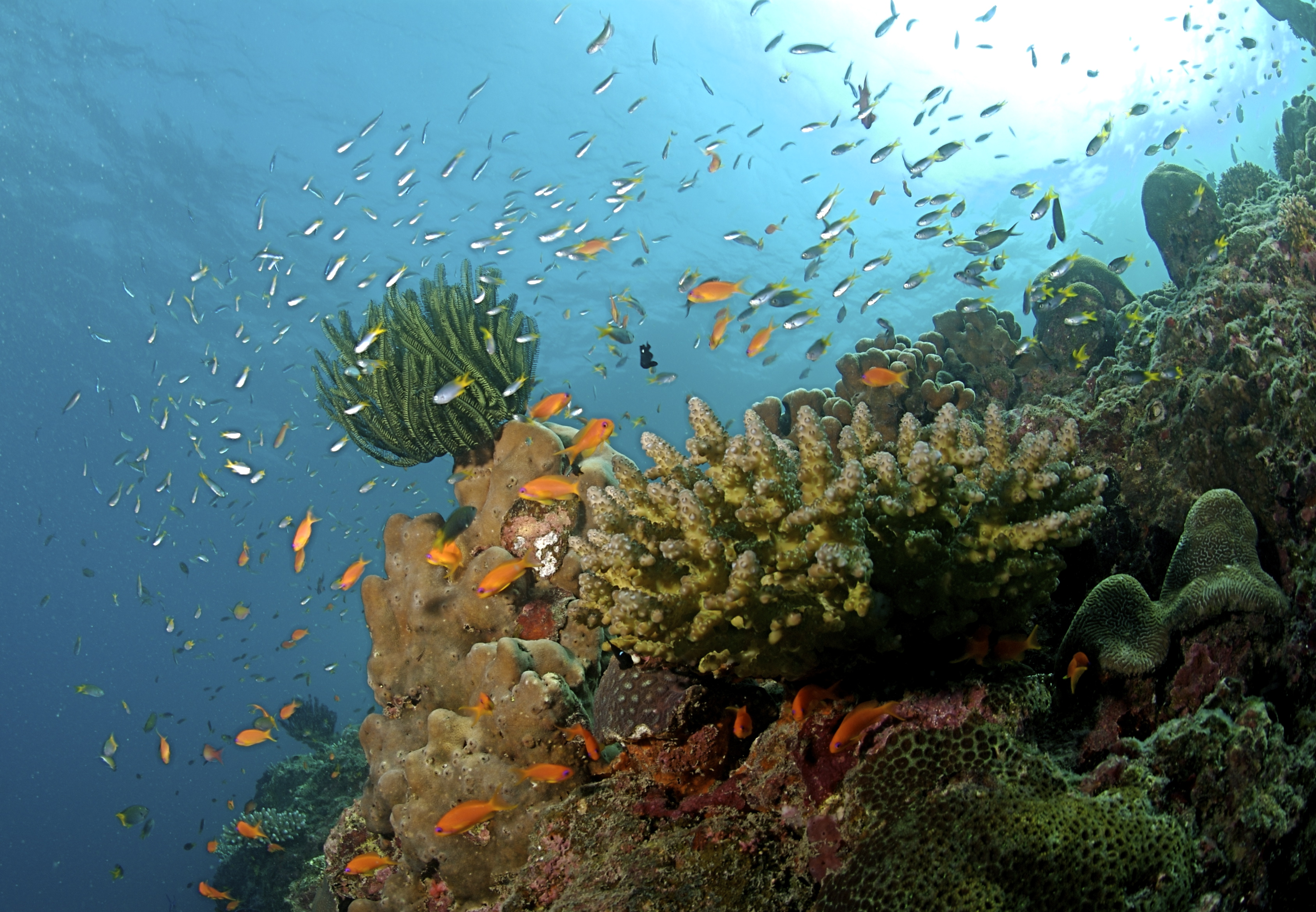
Rahul Gandhi, leader of the Indian National Congress, shared a scuba-diving video from Great Nicobar Island to warn against a massive development project.
The initiative marks a high-profile political challenge to the government's infrastructure plans in the Andaman and Nicobar archipelago. Critics argue that the scale of construction could cause irreversible damage to one of India's most sensitive biological zones.
Gandhi posted the footage on June 5, 2024, to coincide with World Environment Day. He said the development project endangers the island's ecology, specifically threatening coral reefs, and the indigenous tribal communities residing in the region [1].
The project carries an estimated cost of ₹72,000 crore [2]. It involves large-scale infrastructure aimed at transforming the remote island into a strategic and economic hub.
There is a significant divide regarding the necessity of the work. Some reports describe the Great Nicobar Project as a strategic necessity for India's national security and economic growth [3]. Others said the project threatens a unique ecosystem that cannot be replaced once destroyed [4].
Gandhi said a more rigorous environmental review is needed to assess the social and ecological risks [1, 5]. The project remains a flashpoint between those prioritizing maritime security and those advocating for the preservation of the island's biodiversity [2].
“The project threatens the unique ecosystem of Great Nicobar Island.”
The tension over the Great Nicobar Project reflects a broader global struggle between national security imperatives and environmental conservation. By using visual evidence from scuba diving, Gandhi is attempting to shift the debate from strategic geopolitical necessity to tangible ecological loss, potentially mobilizing environmental advocates and international observers against the ₹72,000-crore investment.


