
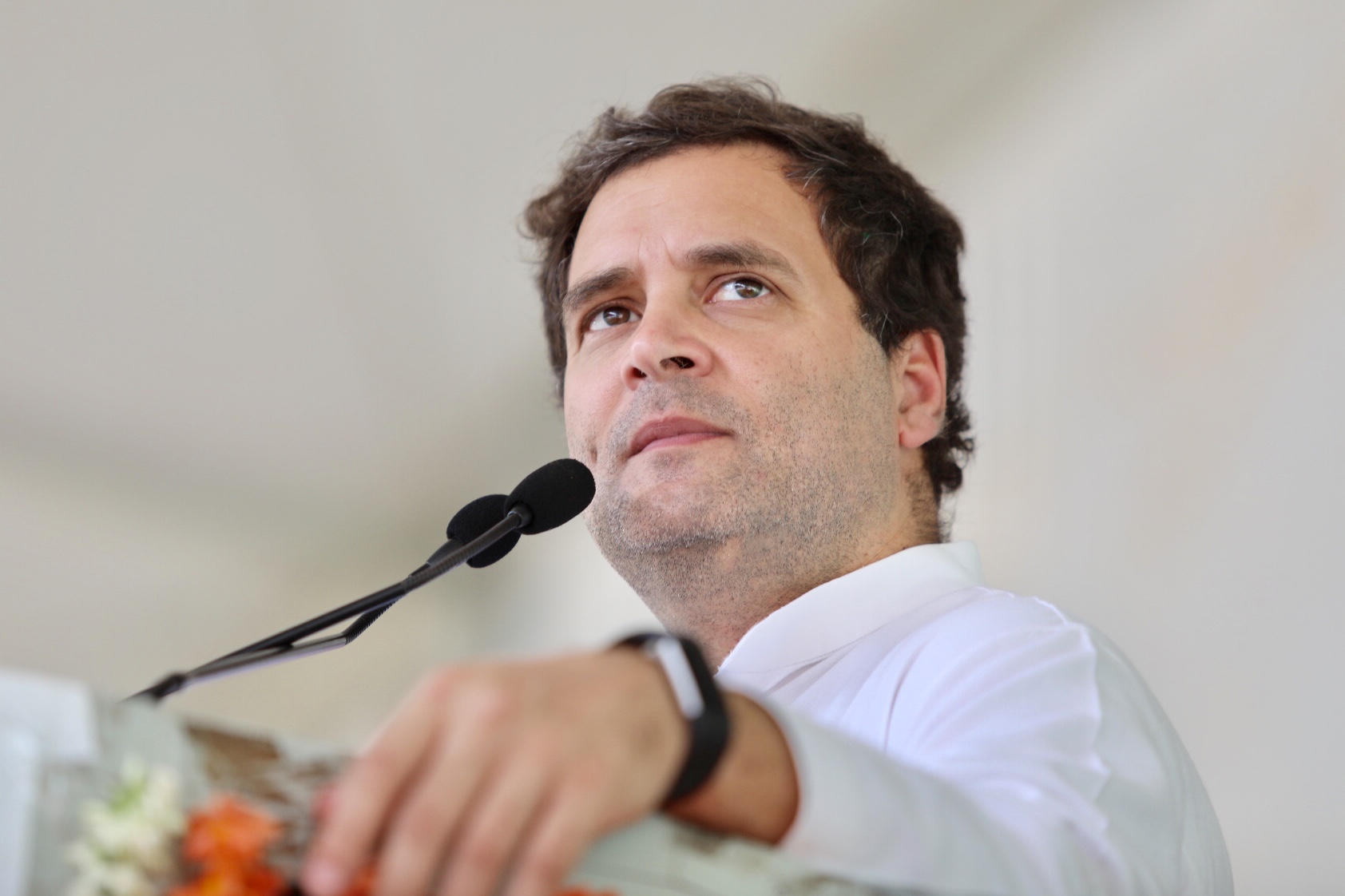
Rahul Gandhi (Indian National Congress) said that the new Karnataka cabinet under D.K. Shivakumar include greater representation for Dalits, OBCs, and minorities.
This directive signals a strategic effort to align the state government with the Congress party's broader social-justice agenda. By diversifying the cabinet, the party aims to solidify its base among marginalized communities ahead of critical electoral cycles.
Gandhi said that policy decisions must be framed with an eye toward future contests. Specifically, he noted that the government's trajectory should be designed with the 2028 [2] state assembly election and the 2029 [2] Lok Sabha national election in mind.
These instructions follow a high-level meeting between Gandhi and Siddaramaiah. That discussion lasted 35 minutes [2] and focused on the transition of power and the long-term political roadmap for the region.
As D.K. Shivakumar prepares to take office as the designated chief minister, the pressure to balance caste dynamics, and minority interests will be central to his cabinet selections. The Congress party is positioning the Karnataka administration as a model for the social-justice policies it intends to promote nationally.
The focus on the 2028 [2] and 2029 [2] elections suggests that the party is treating the current term not just as a period of governance, but as a multi-year campaign to secure a dominant position in both state and national politics.
“The new Karnataka cabinet under D.K. Shivakumar should include greater representation for Dalits, OBCs, and minorities.”
The insistence on specific demographic representation in the cabinet indicates that the Congress party is prioritizing a 'social engineering' strategy to counter political rivals. By anchoring current policy to the 2028 and 2029 election cycles, Gandhi is ensuring that the state government serves as a strategic laboratory for the party's national ambitions, attempting to build a durable coalition of marginalized voters before the next major national contest.


