Rahul Gandhi led more than 100 opposition MPs in a protest march to Gandhi Smriti in Delhi on Wednesday to support student demonstrators [1].
The mobilization signals a concerted effort by the India bloc to leverage student grievances regarding national exam integrity into a broader political challenge against the current administration.
The march began at Jantar Mantar and concluded at Gandhi Smriti [2]. The demonstrators are protesting the alleged leak of the National Eligibility cum Entrance Test (NEET) exam paper, demanding accountability, and systemic reform for the affected students [3].
Rahul Gandhi, representing the opposition coalition, said the decision to march was driven by the presence of students on the streets. "Our students are on the road, so all the opposition MPs felt that we should ..." Gandhi said [4]. He said to the protesters, "We are with you" [4].
The protest comes amid growing public outcry over the NEET paper leak, which has sparked widespread demonstrations across various Indian cities. The India bloc MPs sought to show solidarity with the victims of the leak, emphasizing the impact on students' careers and futures [3].
Prime Minister Narendra Modi has addressed the issue of exam integrity in the past. Modi said there should be "stringent punishment for those involved in paper leaks" [5].
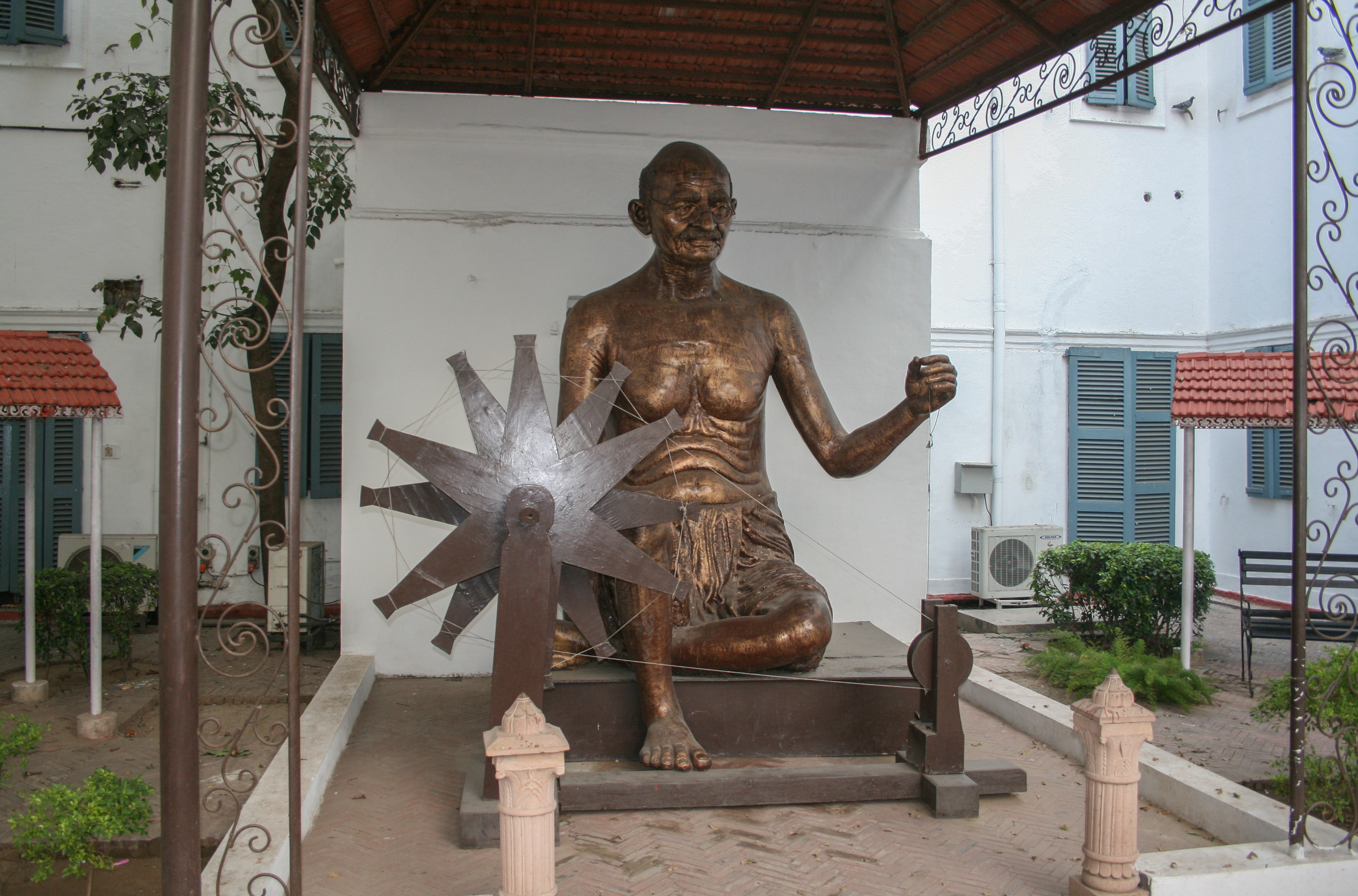
Despite the government's stated position on punishment, the opposition maintains that the current response is insufficient. The march to Gandhi Smriti serves as a symbolic gesture, linking the current struggle for educational fairness to the historical legacy of non-violent protest in India [2].
“"We are with you."”
The alignment of the India bloc with student protesters transforms a localized academic grievance into a national political issue. By leading a physical march of over 100 MPs, the opposition is attempting to position itself as the primary defender of the youth and the meritocratic system, potentially broadening its electoral appeal among young voters who feel betrayed by the state's failure to secure high-stakes examinations.


