India's Defence Minister Rajnath Singh visited South Korea on Wednesday to honour Indian soldiers who fought in the Korean War [1].
The visit signals a deepening of strategic and defence ties between India and South Korea, moving beyond trade into shared military history and veterans' support.
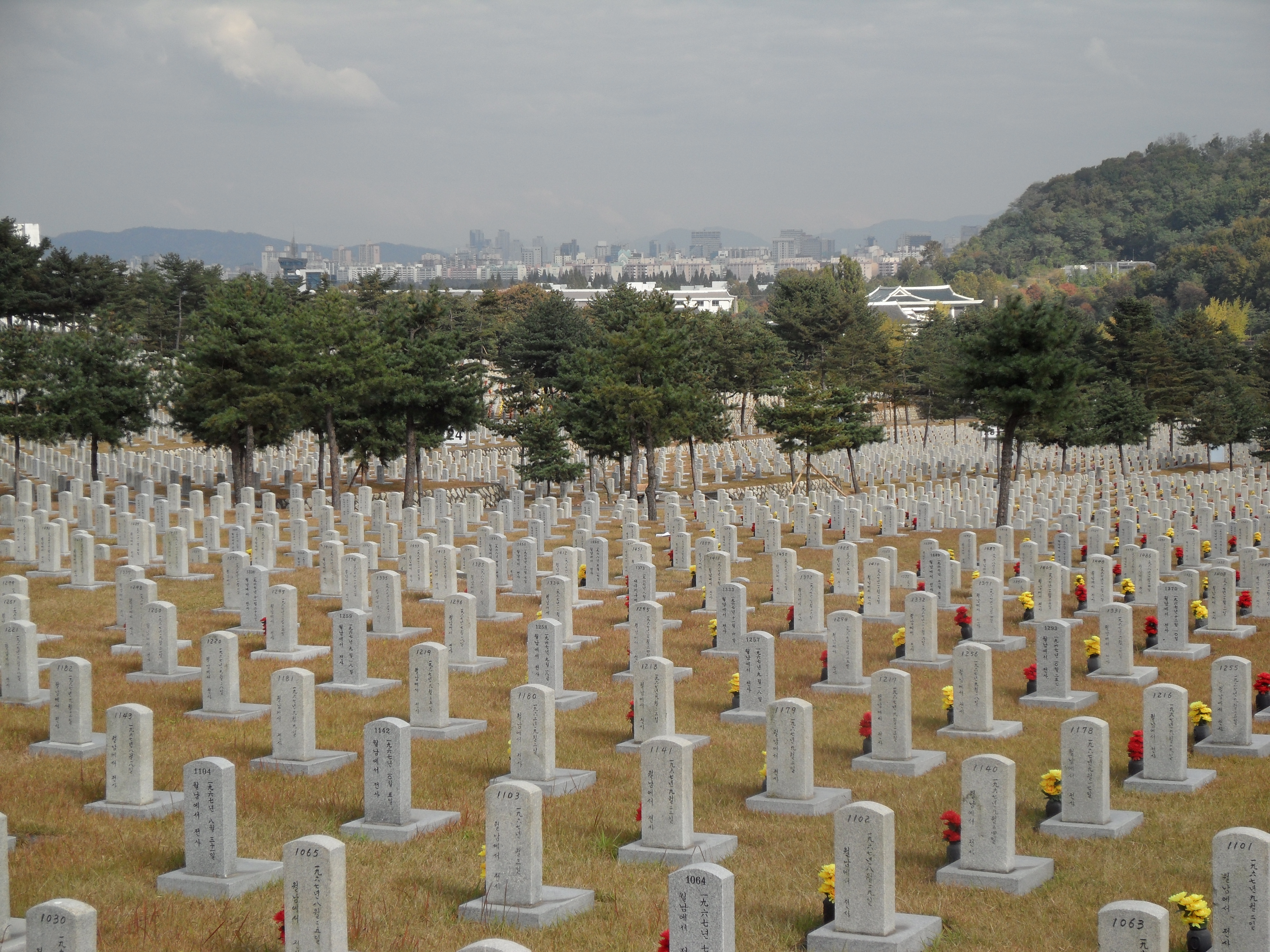
During the trip, Singh paid tribute to fallen soldiers at the Seoul National Cemetery [2]. The visit focused on recognizing the sacrifice of Indian veterans who served during the conflict, a gesture intended to strengthen the emotional and diplomatic bonds between the two nations [1].
In addition to the commemorative visits, Singh participated in a ceremony in Paju at a Peace Park [1]. During this event, he signed a Memorandum of Understanding (MoU) focused on cooperation regarding veterans affairs [1]. This agreement establishes a framework for the two countries to collaborate on the welfare, and recognition, of former service members.
Reports on the specific locations of the events vary. Some accounts place the primary ceremony and the signing of the MoUs in Paju [1], while other reports emphasize the tribute paid at the Seoul National Cemetery [2].
Singh's activities in South Korea were designed to highlight the historical contributions of the Indian military to regional stability. By formalizing veterans' cooperation, both governments aim to create a lasting institutional link between their respective defence establishments [1].
“Rajnath Singh visited South Korea on Wednesday to honour Indian soldiers who fought in the Korean War.”
This diplomatic mission leverages shared military history to pivot the India-South Korea relationship toward a more comprehensive strategic partnership. By formalizing veterans' affairs cooperation, India is institutionalizing its ties with Seoul, which may serve as a foundation for broader defence procurement and security cooperation in the Indo-Pacific region.


