
The Federation of Western India Cine Employees (FWICE) issued a non-cooperation directive against actor Ranveer Singh after his sudden exit from the film ‘Don 3’ [1].
This action marks a rare instance of a major industry body taking disciplinary measures against a top-tier star. The move highlights the tension between individual talent contracts and the stability of the production workforce, specifically technicians and workers who rely on project continuity [1, 2].
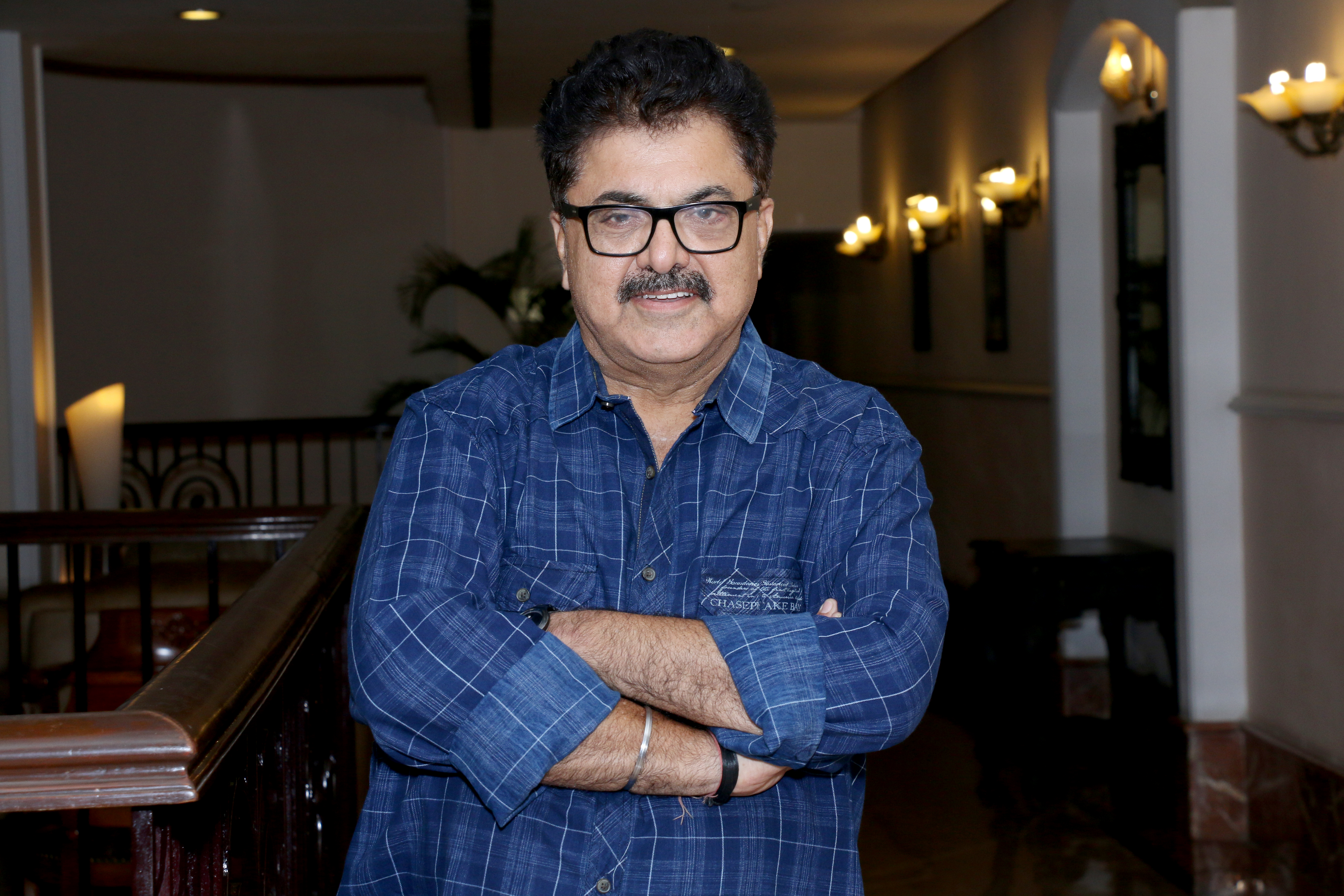
Ashoke Pandit, the chief advisor of FWICE, said to address the confusion surrounding the directive. While some reports described the move as a ban, Pandit clarified the nature of the action [3].
"It is not a ban, it's a non‑cooperation order," Pandit said [3].
The directive follows Singh's decision to leave the project abruptly in late May [1, 2]. FWICE officials said the measure was necessary to protect the industry's workers and enforce professional discipline within the Bollywood film industry [1, 2].
In response to the controversy, a spokesperson for Ranveer Singh said that the actor has "deep respect" for the film fraternity and wishes to remain "silent" regarding the matter [2].
External observers have weighed in on the actor's standing within the industry. Shobhaa De described Singh as the "Delhi Gymkhana of Bollywood" [4].
Despite the public dispute, the non-cooperation order remains a tool for the federation to ensure that high-profile exits do not leave crews in financial or professional limbo, a common risk in large-scale productions [1, 3].
“"It is not a ban, it's a non‑cooperation order."”
The distinction between a 'ban' and a 'non-cooperation order' is critical for labor relations in Mumbai's film industry. By framing this as a disciplinary measure rather than a total ban, FWICE is attempting to maintain leverage over high-profile actors to prevent abrupt project exits that cause financial losses for below-the-line workers, while leaving a narrow door open for professional reconciliation.

'%2F%3E%0A%20%20%20%20%3Crect%20width%3D'1600'%20height%3D'900'%20fill%3D'url(%23v)'%2F%3E%0A%20%20%20%20%3Cg%20opacity%3D'0.08'%20fill%3D'%23ffffff'%3E%0A%20%20%20%20%20%20%3Ccircle%20cx%3D'1420'%20cy%3D'180'%20r%3D'220'%2F%3E%0A%20%20%20%20%20%20%3Ccircle%20cx%3D'1500'%20cy%3D'760'%20r%3D'120'%2F%3E%0A%20%20%20%20%3C%2Fg%3E%0A%20%20%20%20%3Cline%20x1%3D'80'%20y1%3D'172'%20x2%3D'220'%20y2%3D'172'%20stroke%3D'%23ffffff'%20stroke-width%3D'3'%20stroke-opacity%3D'0.6'%2F%3E%0A%20%20%20%20%3Ctext%20x%3D'80'%20y%3D'140'%20font-family%3D'Inter%2C%20-apple-system%2C%20Helvetica%2C%20sans-serif'%20font-weight%3D'700'%20font-size%3D'28'%20fill%3D'%23ffffff'%20letter-spacing%3D'6'%3EHANNA%20%C2%B7%20NEWS%3C%2Ftext%3E%0A%20%20%20%20%3Ctext%20x%3D'80'%20y%3D'230'%20font-family%3D'Inter%2C%20-apple-system%2C%20Helvetica%2C%20sans-serif'%20font-weight%3D'600'%20font-size%3D'40'%20fill%3D'%23ffffffb3'%20letter-spacing%3D'4'%3EWORLD%3C%2Ftext%3E%0A%20%20%20%20%3Ctext%20x%3D'80'%20y%3D'694'%20font-family%3D'Playfair%20Display%2C%20Georgia%2C%20serif'%20font-weight%3D'800'%20font-size%3D'110'%20fill%3D'%23ffffff'%20letter-spacing%3D'-1'%3EFBI%20Kills%20Suspect%20After%20Bank%3C%2Ftext%3E%3Ctext%20x%3D'80'%20y%3D'820'%20font-family%3D'Playfair%20Display%2C%20Georgia%2C%20serif'%20font-weight%3D'800'%20font-size%3D'110'%20fill%3D'%23ffffff'%20letter-spacing%3D'-1'%3EHostage%20Standoff%20in%20US%3C%2Ftext%3E%0A%20%20%20%20%3Ctext%20x%3D'80'%20y%3D'870'%20font-family%3D'Inter%2C%20-apple-system%2C%20Helvetica%2C%20sans-serif'%20font-weight%3D'500'%20font-size%3D'22'%20fill%3D'%23ffffff66'%20letter-spacing%3D'2'%3Enews.hanna-ai.com%3C%2Ftext%3E%0A%20%20%3C%2Fsvg%3E)

