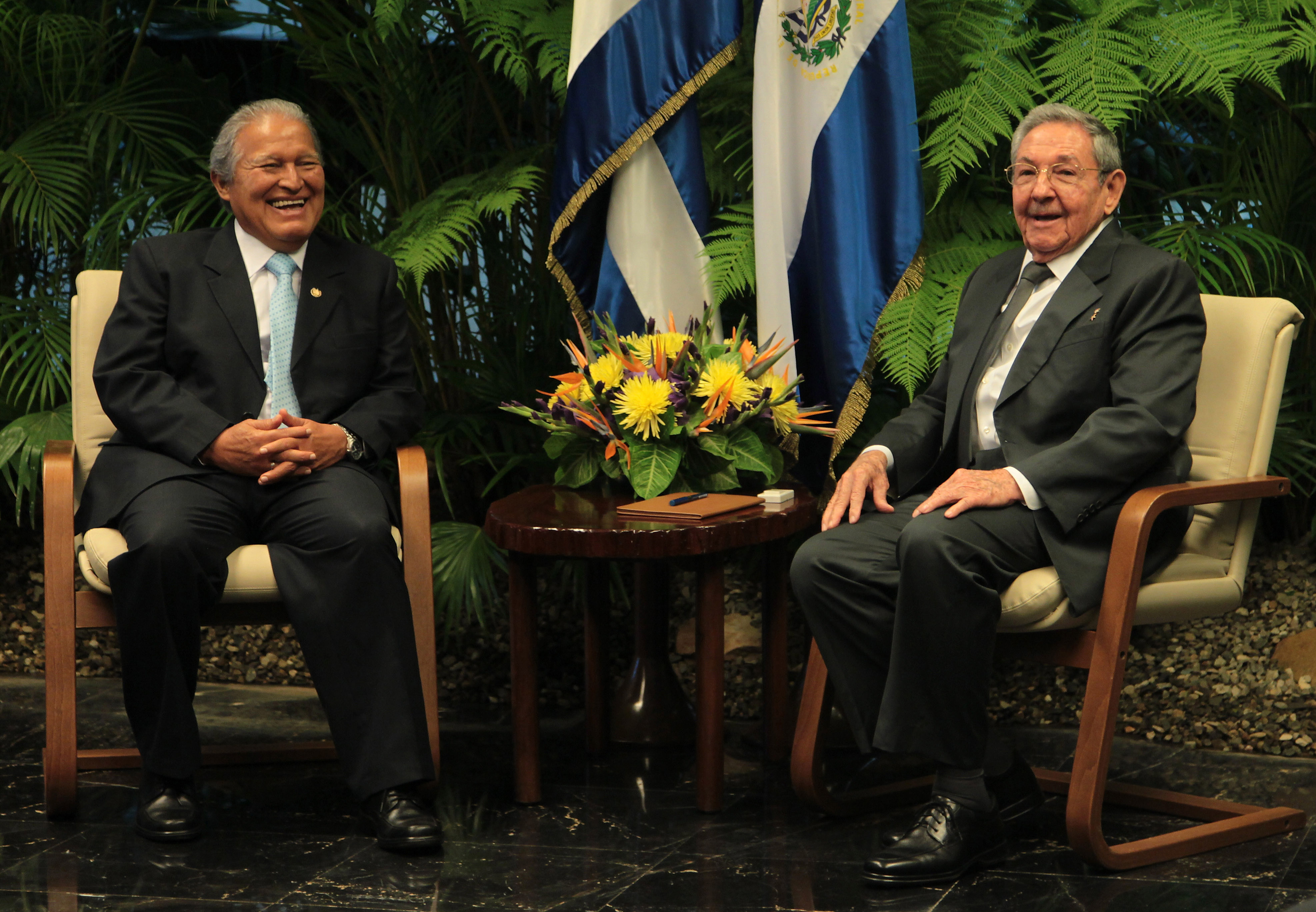
A U.S. grand jury unsealed an indictment Wednesday charging former Cuban President Raúl Castro with four counts of murder and conspiracy [1].
The charges target the 94-year-old former leader for his role in the 1996 shoot-down of two civilian aircraft [2]. This legal action signals a significant escalation in U.S. pressure on the Cuban government under the Trump administration, reviving a decades-old conflict over the deaths of U.S. nationals [3].
The indictment was announced in South Florida, where the aircraft belonging to the Brothers to the Rescue group were targeted [4]. The Department of Justice said the incident was a coordinated conspiracy to kill U.S. citizens in international waters [5].
Acting Attorney General Todd Blanche said the announcement occurred "in conjunction with a ceremony to honor the victims of the Brothers to the Rescue" [6]. The legal proceedings follow the unsealing of the indictment on May 20, 2026 [7].
The 1996 incident remains a flashpoint in diplomatic relations between Washington and Havana [2]. By bringing murder charges against a former head of state, the U.S. government is utilizing criminal law to address historical grievances and current political tensions, a move that complicates any potential diplomatic thaw.
Raúl Castro was 94 at the time the indictment was unsealed [2]. The case focuses on the specific decision-making chain that led to the destruction of the civilian planes and the subsequent loss of life [5].
“Former Cuban President Raúl Castro indicted on four counts of murder and conspiracy.”
This indictment represents a rare use of the U.S. judicial system to pursue a former foreign head of state for historical military actions. By linking the legal charges to a public ceremony for the victims, the U.S. is framing the prosecution as a matter of human rights and accountability. This move likely precludes near-term diplomatic normalization and serves as a tool of maximum pressure against the current Cuban leadership.