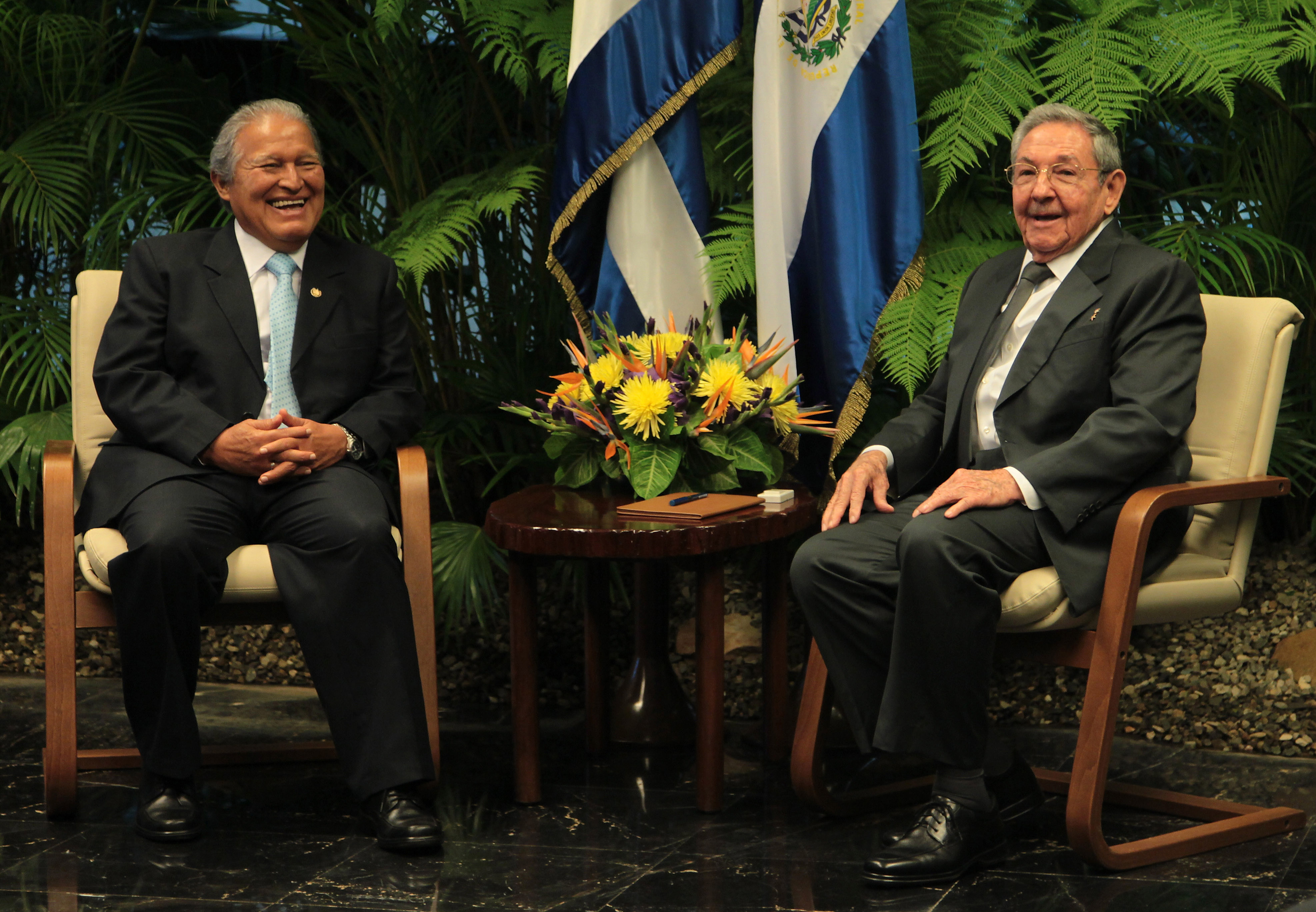
The U.S. Justice Department announced an indictment against former Cuban President Raúl Castro on Wednesday, May 20 [1].
The legal action marks a significant escalation in tensions between Washington and Havana. By charging a former head of state with murder, the U.S. is seeking accountability for a decades-old incident that remains a point of severe diplomatic friction.
The charges stem from the 1996 downing of two civilian planes [2] carrying Cuban exiles over Cuban airspace [1]. According to the indictment, Castro is charged with conspiracy to kill U.S. nationals and four counts of murder [3]. The incident resulted in the deaths of three American citizens [4].
Federal prosecutors said that the case has been in the works for 30 years [5]. The legal process focuses on the decision-making chain that led to the shootdown of the aircraft, which were operated by a group of exiles attempting to fly into Cuba.
The indictment was announced in the United States, though Castro remains in Cuba [1]. The move follows years of sporadic legal efforts and civil suits related to the 1996 event. The U.S. government has long maintained that the Cuban military intentionally targeted the civilian aircraft, an act that led to international condemnation at the time.
Because the defendant is a former head of state, the case faces significant hurdles regarding extradition and sovereign immunity. However, the Justice Department's decision to move forward with criminal charges indicates a determination to pursue the matter regardless of the diplomatic complexities involved.
“The U.S. Justice Department announced an indictment against former Cuban President Raúl Castro.”
This indictment transforms a long-standing diplomatic grievance into a formal criminal matter. While the likelihood of Raúl Castro facing a U.S. court is low due to the lack of an extradition treaty and his status as a former leader, the move serves as a powerful symbolic gesture. It signals that the U.S. government views the 1996 shootdowns not as a political dispute, but as a series of capital crimes.


