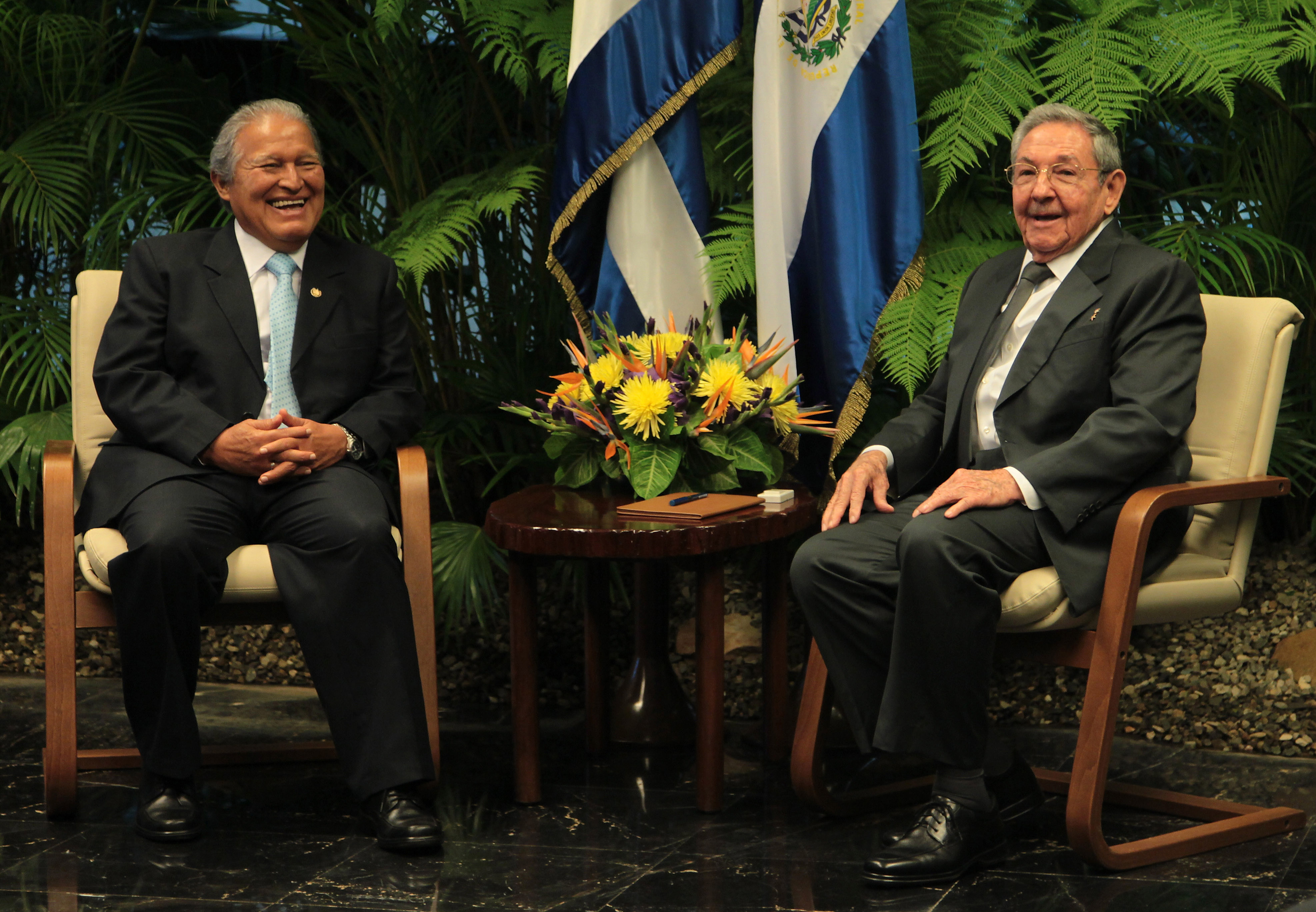
A U.S. grand jury indicted former Cuban president Raúl Castro on murder and conspiracy charges on May 20, 2026 [1].
The indictment marks a significant escalation in legal accountability for high-ranking foreign officials regarding the deaths of civilians in international and domestic airspace. By targeting a former head of state, the U.S. Department of Justice is asserting that command responsibility extends to the highest levels of military and political leadership.
The charges stem from a 1996 incident in which the Cuban military shot down civilian aircraft [2]. U.S. prosecutors said that Castro bore command responsibility for the operation, stating he either ordered or permitted the military to engage the planes [3]. The resulting crashes led to multiple deaths, forming the basis for the two specific charges filed against him [4].
The Department of Justice unsealed the indictment in Washington, D.C., on Wednesday [1]. While previous reports from earlier this year suggested the DOJ was exploring possible charges against Cuban leaders, the unsealing of this indictment confirms that a grand jury found sufficient evidence to proceed with formal charges [1], [5].
Legal experts said that the case relies on the principle of command responsibility. This legal doctrine allows for the prosecution of superiors if they knew, or should have known, that subordinates were committing crimes and failed to take necessary measures to prevent them. The 1996 downing of aircraft has remained a point of contention between the U.S. and Cuba for decades, a legacy of tension that now moves into a formal courtroom setting.
Because Castro remains in Cuba, the U.S. government faces the challenge of extradition or the necessity of a trial in absentia. The indictment serves as a formal legal record of the alleged crimes and restricts the international movement of the former president, as any travel to a country with a U.S. extradition treaty could lead to his arrest [3].
“The DOJ has unsealed an indictment charging Castro with murder and conspiracy.”
This indictment signals a shift toward using U.S. domestic courts to address historical human rights violations and military aggression by foreign leaders. By focusing on 'command responsibility,' the U.S. is attempting to bridge the gap between the actions of low-level soldiers and the directives of the political elite, potentially setting a precedent for future indictments of foreign officials for state-sponsored violence.