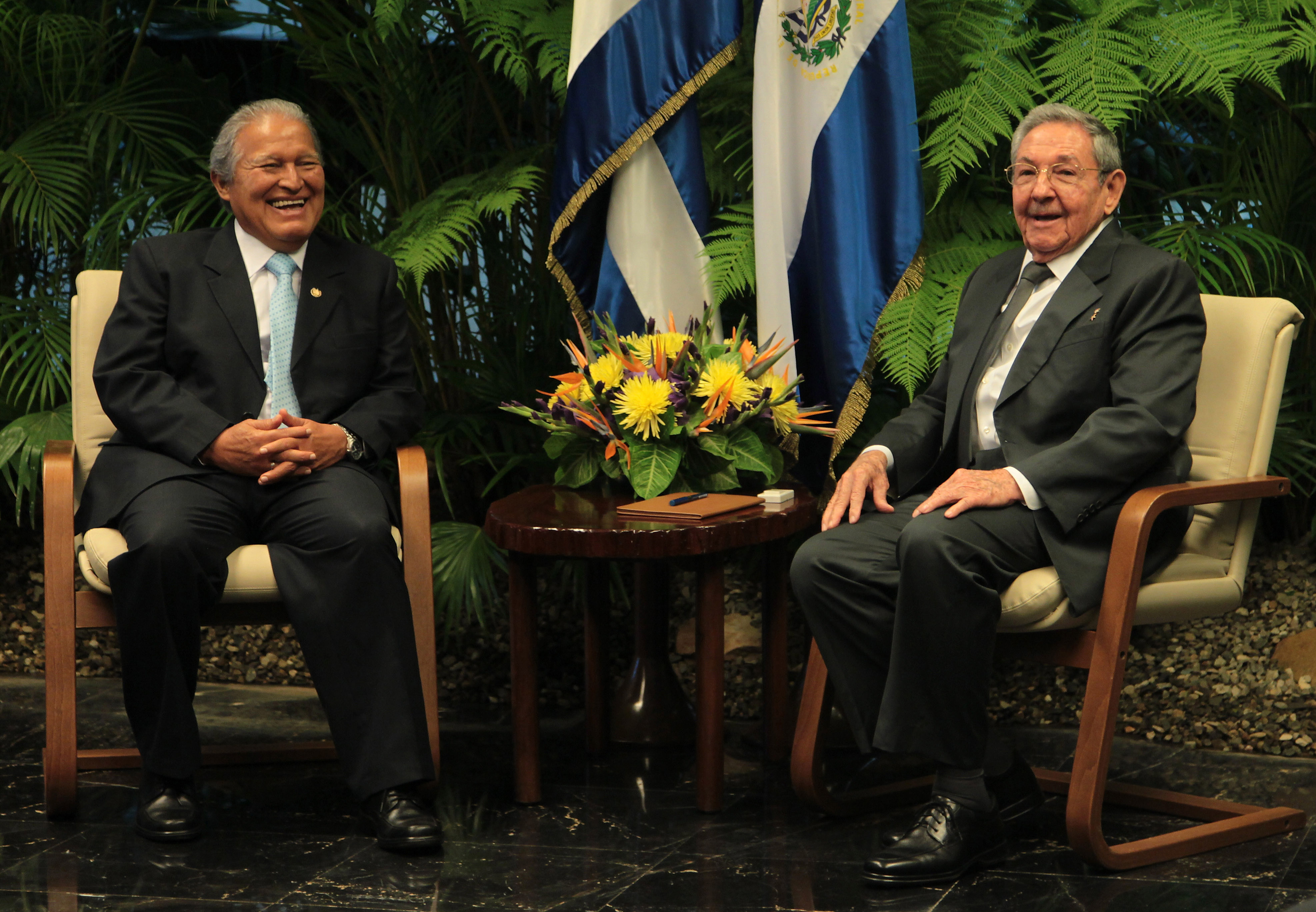
The U.S. Justice Department filed a federal indictment charging former Cuban leader Raúl Castro with conspiracy to kill U.S. nationals [1].
This legal action represents a broader U.S. strategy to hold authoritarian leaders accountable for alleged crimes against U.S. citizens. By pursuing charges against high-ranking foreign officials, the U.S. government aims to establish legal precedents for state-sponsored violence [3].
The indictment centers on the events of Feb. 24, 1996, when two civilian aircraft were downed in Cuban airspace [1], [2]. Prosecutors allege that Castro ordered or approved the shoot-down of the planes, which were en route between Cuba and Florida [1], [2]. The charges include conspiracy to kill U.S. nationals, and murder [1], [2].
Acting Attorney General Todd Blanche defended the indictment during an interview with NBC News. "This is a big step forward for Cuban Americans and for the rule of law," Blanche said [3].
Legal analysts have compared the case against Castro to the ongoing legal proceedings against Venezuelan President Nicolás Maduro [3]. Both cases involve the U.S. government using federal courts to target the leadership of adversarial nations. While the specific charges differ, the underlying objective remains the pursuit of justice for victims of authoritarian regimes [3].
The 1996 incident remains a point of severe tension between the two nations. The downing of the two aircraft [1] led to years of diplomatic friction, and demands for accountability from the victims' families. The current indictment seeks to formalize those demands through the U.S. judicial system [1], [2].
“"This is a big step forward for Cuban Americans and for the rule of law,"”
The indictment of Raúl Castro signals a shift toward using the U.S. judiciary as a tool of foreign policy and human rights enforcement. By linking this case to the legal actions against Nicolás Maduro, the U.S. is signaling that sovereign immunity may not protect former or current heads of state when U.S. nationals are targeted. This approach increases the legal risks for authoritarian leaders and creates a permanent judicial record of alleged state crimes.


