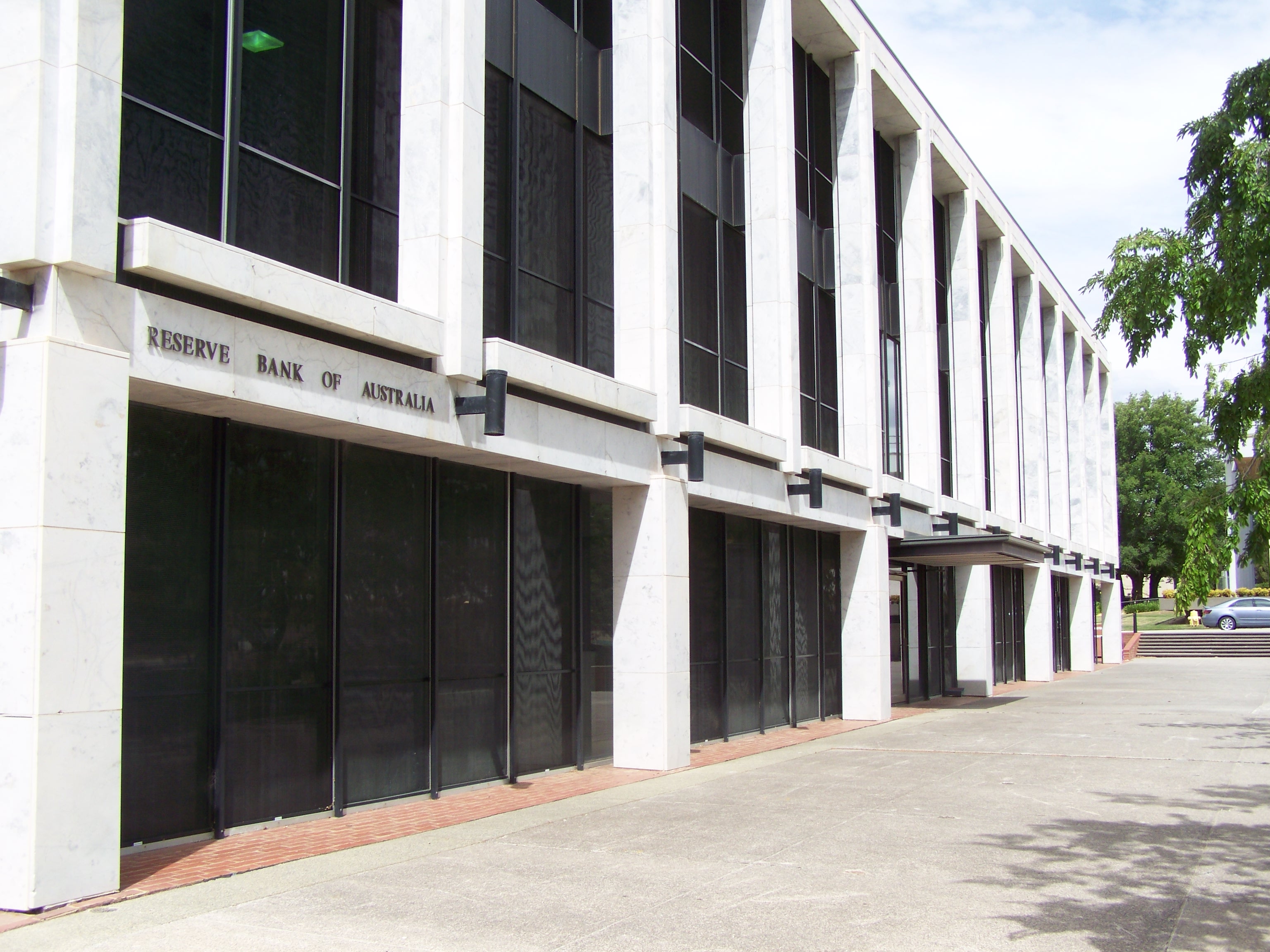
The Reserve Bank of Australia raised the official cash rate by 0.25 percentage points [1] to 4.35% [1] on Tuesday.
This adjustment directly impacts borrowing costs across the country, affecting everything from corporate loans to residential mortgages. As the central bank tightens monetary policy, households face higher repayment burdens while the government attempts to stabilize the broader economy.
The decision follows a period of anticipation from financial markets and consumers. The increase of 0.25 percentage points [1] represents a targeted move to manage economic conditions. This shift brings the new official cash rate to 4.35% [1], a level that signals a continued restrictive stance by the RBA.
Commercial banks typically respond to these changes by adjusting their own lending rates. Mortgage holders may see an immediate increase in their monthly repayments depending on whether they hold variable or fixed-rate loans. The move places additional pressure on disposable income for millions of Australians.
While the RBA did not provide detailed commentary in the immediate announcement, the move aligns with expectations that the bank would act to curb inflation. The official cash rate serves as the primary tool for the bank to influence the cost of money in the economy.
Financial analysts said that the 4.35% [1] rate reflects the bank's ongoing effort to balance economic growth with price stability. The impact will be felt most acutely by those with high debt-to-income ratios who are sensitive to even small incremental changes in interest rates.
“The Reserve Bank of Australia raised the official cash rate by 0.25 percentage points to 4.35%.”
The RBA's decision to raise the cash rate to 4.35% is a classic monetary tightening measure designed to cool inflation. By making borrowing more expensive, the central bank aims to reduce consumer spending and business investment, which slows the rate of price increases across the economy. For the average citizen, this means higher mortgage payments and a likely decrease in discretionary spending power.
'%2F%3E%0A%20%20%20%20%3Crect%20width%3D'1600'%20height%3D'900'%20fill%3D'url(%23v)'%2F%3E%0A%20%20%20%20%3Cg%20opacity%3D'0.08'%20fill%3D'%23ffffff'%3E%0A%20%20%20%20%20%20%3Ccircle%20cx%3D'1420'%20cy%3D'180'%20r%3D'220'%2F%3E%0A%20%20%20%20%20%20%3Ccircle%20cx%3D'1500'%20cy%3D'760'%20r%3D'120'%2F%3E%0A%20%20%20%20%3C%2Fg%3E%0A%20%20%20%20%3Cline%20x1%3D'80'%20y1%3D'172'%20x2%3D'220'%20y2%3D'172'%20stroke%3D'%23ffffff'%20stroke-width%3D'3'%20stroke-opacity%3D'0.6'%2F%3E%0A%20%20%20%20%3Ctext%20x%3D'80'%20y%3D'140'%20font-family%3D'Inter%2C%20-apple-system%2C%20Helvetica%2C%20sans-serif'%20font-weight%3D'700'%20font-size%3D'28'%20fill%3D'%23ffffff'%20letter-spacing%3D'6'%3EHANNA%20%C2%B7%20NEWS%3C%2Ftext%3E%0A%20%20%20%20%3Ctext%20x%3D'80'%20y%3D'230'%20font-family%3D'Inter%2C%20-apple-system%2C%20Helvetica%2C%20sans-serif'%20font-weight%3D'600'%20font-size%3D'40'%20fill%3D'%23ffffffb3'%20letter-spacing%3D'4'%3EWORLD%3C%2Ftext%3E%0A%20%20%20%20%3Ctext%20x%3D'80'%20y%3D'622'%20font-family%3D'Playfair%20Display%2C%20Georgia%2C%20serif'%20font-weight%3D'800'%20font-size%3D'86'%20fill%3D'%23ffffff'%20letter-spacing%3D'-1'%3EBus%20Collision%20on%3C%2Ftext%3E%3Ctext%20x%3D'80'%20y%3D'721'%20font-family%3D'Playfair%20Display%2C%20Georgia%2C%20serif'%20font-weight%3D'800'%20font-size%3D'86'%20fill%3D'%23ffffff'%20letter-spacing%3D'-1'%3EDelhi-Mumbai%20Expressway%3C%2Ftext%3E%3Ctext%20x%3D'80'%20y%3D'820'%20font-family%3D'Playfair%20Display%2C%20Georgia%2C%20serif'%20font-weight%3D'800'%20font-size%3D'86'%20fill%3D'%23ffffff'%20letter-spacing%3D'-1'%3ELeaves%20Up%20to%208%20Dead%3C%2Ftext%3E%0A%20%20%20%20%3Ctext%20x%3D'80'%20y%3D'870'%20font-family%3D'Inter%2C%20-apple-system%2C%20Helvetica%2C%20sans-serif'%20font-weight%3D'500'%20font-size%3D'22'%20fill%3D'%23ffffff66'%20letter-spacing%3D'2'%3Enews.hanna-ai.com%3C%2Ftext%3E%0A%20%20%3C%2Fsvg%3E)

