
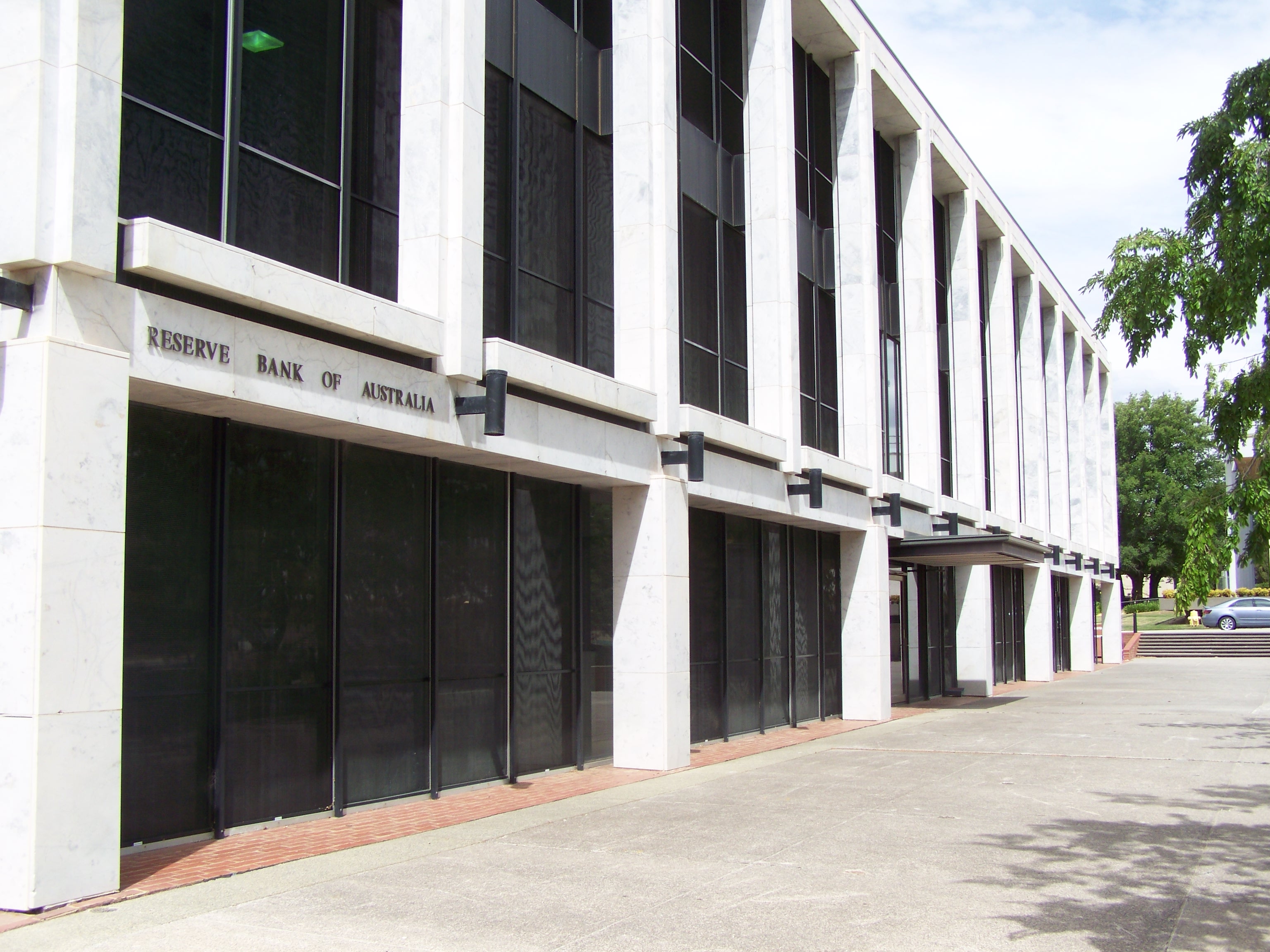
Reserve Bank of Australia Governor Michele Bullock said that Australians should expect up to two more years of cost-of-living pressure [1].
The warning highlights the prolonged financial strain on households as the central bank uses high interest rates to combat inflation. While these measures are designed to stabilize the economy, they increase borrowing costs for mortgages and loans, leaving many families with limited disposable income.
Bullock said that higher interest rates are working, but many households will continue to feel the pain for up to two more years [1]. This timeline suggests that the period of restrictive monetary policy will not end quickly, meaning the cost of debt will remain elevated for the foreseeable future.
Beyond interest rates, other essential services are contributing to the financial burden. Private health insurance premiums rose by an industry average of 4.41 percent [2] starting April 1, 2024. An industry spokesperson said this represents the biggest increase in almost a decade [2].
The combination of these factors creates a compounding effect on the Australian consumer. While the RBA aims to bring inflation back to target levels, the transition period involves a sustained reduction in spending power across the population.
Household budgets remain under pressure as the bank maintains its stance on rates to ensure price stability. The RBA's outlook indicates that the current economic environment will remain challenging until the inflationary pressures are fully subdued [1].
“"Higher interest rates are working, but many households will continue to feel the pain for up to two more years."”
The RBA's projection indicates a commitment to a 'higher-for-longer' interest rate strategy. By signaling a two-year window of hardship, the central bank is managing public expectations to prevent premature optimism about rate cuts, which could otherwise fuel further inflation. This creates a precarious balance between cooling the economy and risking a deeper recession through prolonged household financial distress.


