
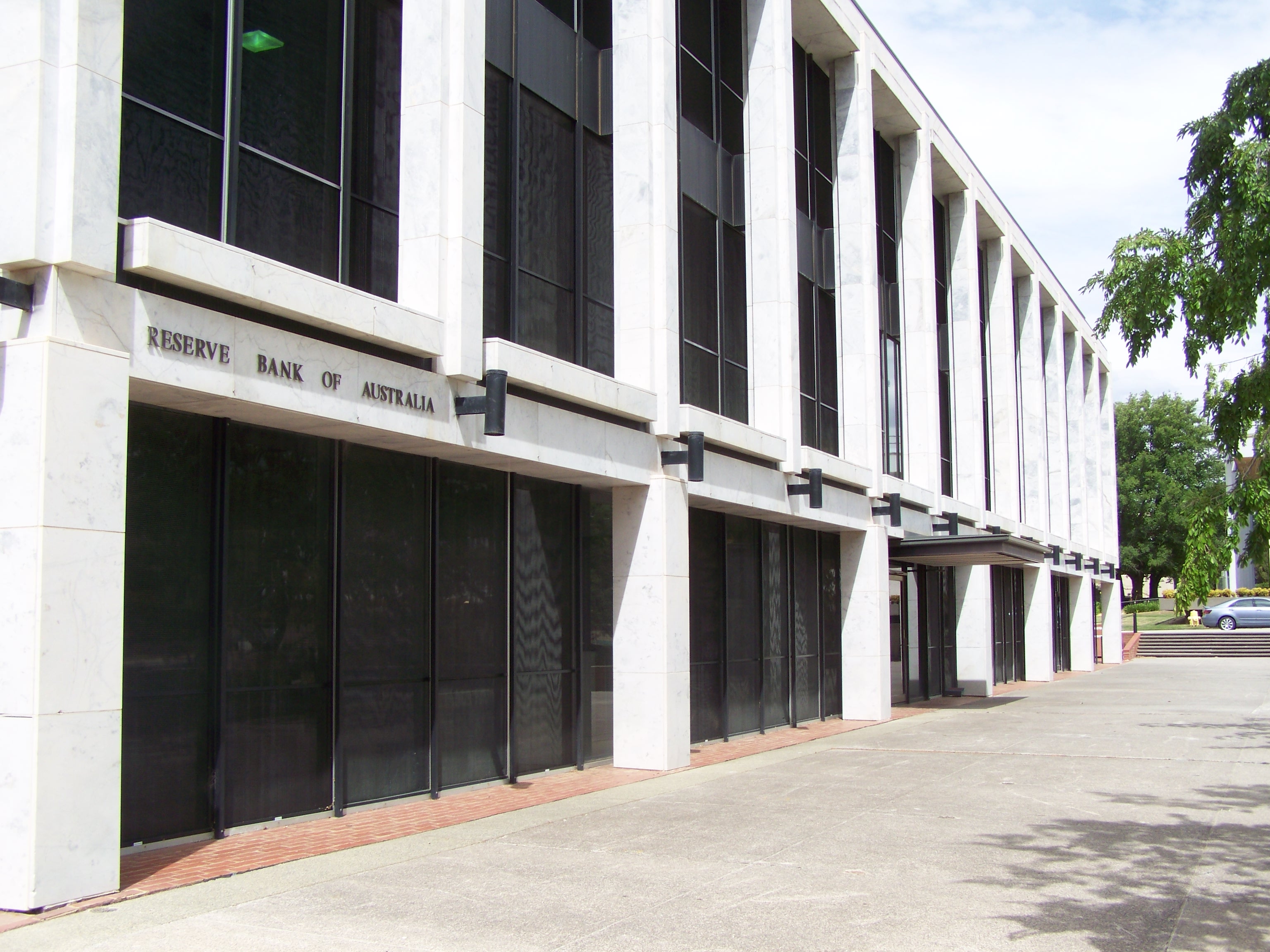
Reserve Bank of Australia board member Ian Harper said Tuesday he is concerned about an uptick in longer-term inflation expectations [1, 2].
This shift is significant because rising expectations can create a self-fulfilling cycle, making it harder for the central bank to stabilize the economy. If markets believe prices will remain high, it complicates the RBA's ability to steer monetary policy toward its goals.
Harper said that markets now expect consumer prices to stay above the target for an extended period [1, 2]. This trend threatens to keep consumer-price growth above the RBA's established target range of 2% to 3% [1, 2].
The RBA monitors these expectations to determine when to adjust interest rates. A persistent gap between actual inflation and the target range often necessitates a more restrictive monetary stance to cool the economy, a move that can impact borrowing costs for households and businesses.
Harper's warnings come as the central bank navigates a complex economic environment where price stability remains the primary objective. The persistence of these expectations suggests that the inflationary pressures may be more deeply embedded in the market than previously anticipated [1, 2].
“Markets now expect consumer prices to stay above the target for an extended period”
When inflation expectations rise, it typically signals that businesses and consumers anticipate higher prices in the future, which can lead to higher wage demands and price hikes. For the RBA, this means that simply waiting for inflation to drop naturally may not be enough; the bank may need to maintain higher interest rates for longer to convince the market that inflation will eventually return to the 2% to 3% target.


