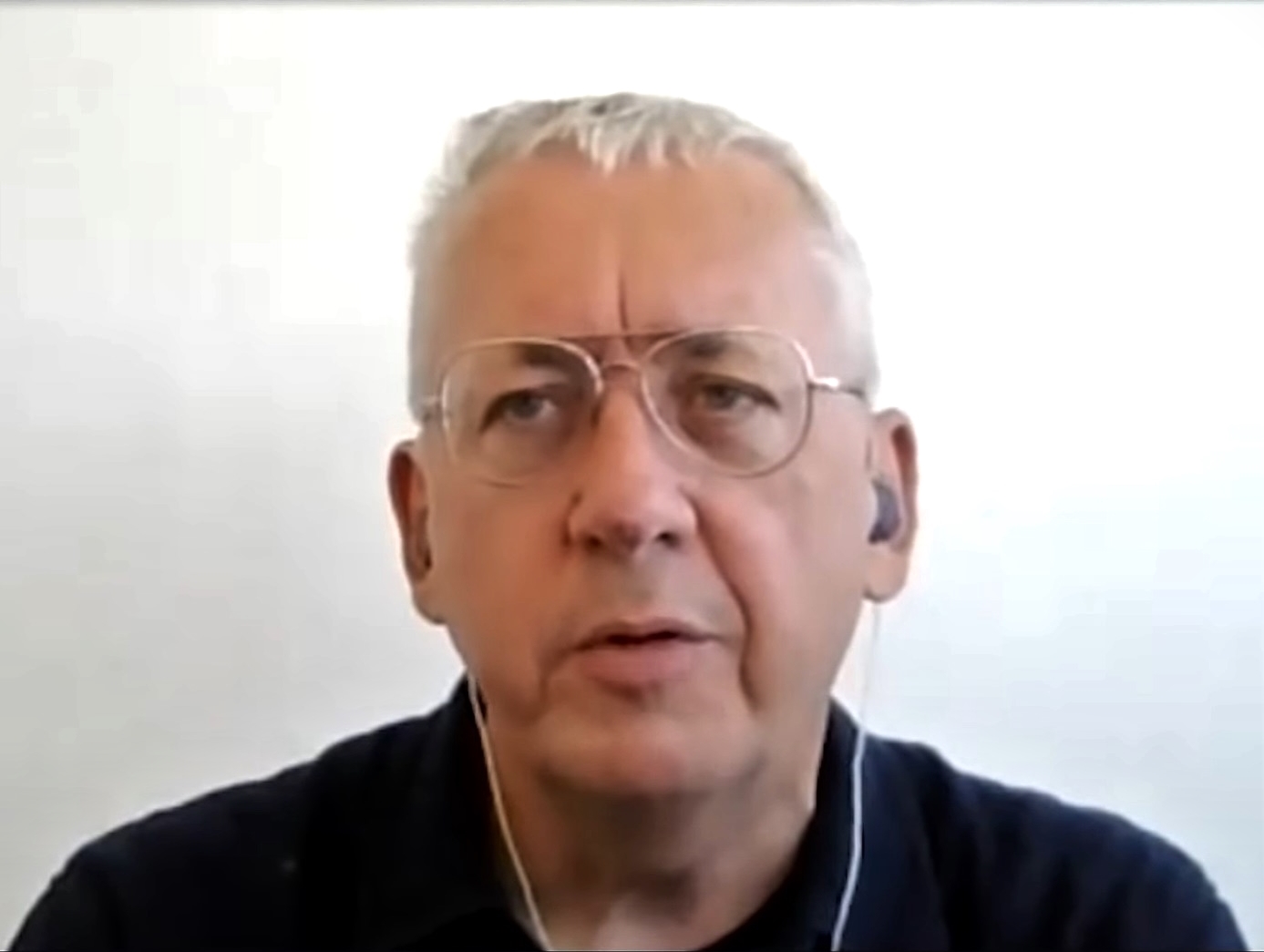
Reserve Bank of India Governor Sanjay Malhotra said Wednesday that it is premature to discuss an interest-rate hike due to ongoing geopolitical uncertainties [1].
The Governor's stance signals a cautious approach to monetary policy as India navigates volatile global diplomatic tensions. Any premature shift in rates could impact economic stability if geopolitical risks materialize into price shocks.
Speaking at a press conference in New Delhi, Malhotra said that the central bank is currently in a wait-and-watch mode [1]. He said that headline inflation remains below four percent [2]. Despite this, the RBI is closely monitoring a rise in wholesale-price inflation (WPI) to determine if price pressures are becoming persistent [3].
Malhotra said that the central bank's commitment to its inflation goals remains unchanged. "Our 4 percent medium-term inflation target remains sacrosanct and is not in abeyance," Malhotra said [3]. This target serves as the primary anchor for the bank's monetary decisions.
Regarding current policy levels, the benchmark repo rate remains unchanged at 5.25 percent [4]. The Governor said that future rate actions will be tied to the persistence of price pressures rather than immediate fluctuations.
"It is still premature to talk about an interest-rate hike given the ongoing geopolitical uncertainties," Malhotra said [1]. He said that rate-hike talks are premature at this stage [2].
The Governor's remarks suggest that while the RBI is vigilant about WPI, the broader geopolitical landscape—including talks between the U.S. and Iran—will play a significant role in the timing of any future policy shifts [1].
“"Our 4 percent medium-term inflation target remains sacrosanct and is not in abeyance."”
The RBI is balancing a strict inflation target against external volatility. By labeling rate hike discussions as premature, the central bank is prioritizing stability over aggressive tightening, suggesting that geopolitical resolution is a prerequisite for a predictable monetary trajectory.