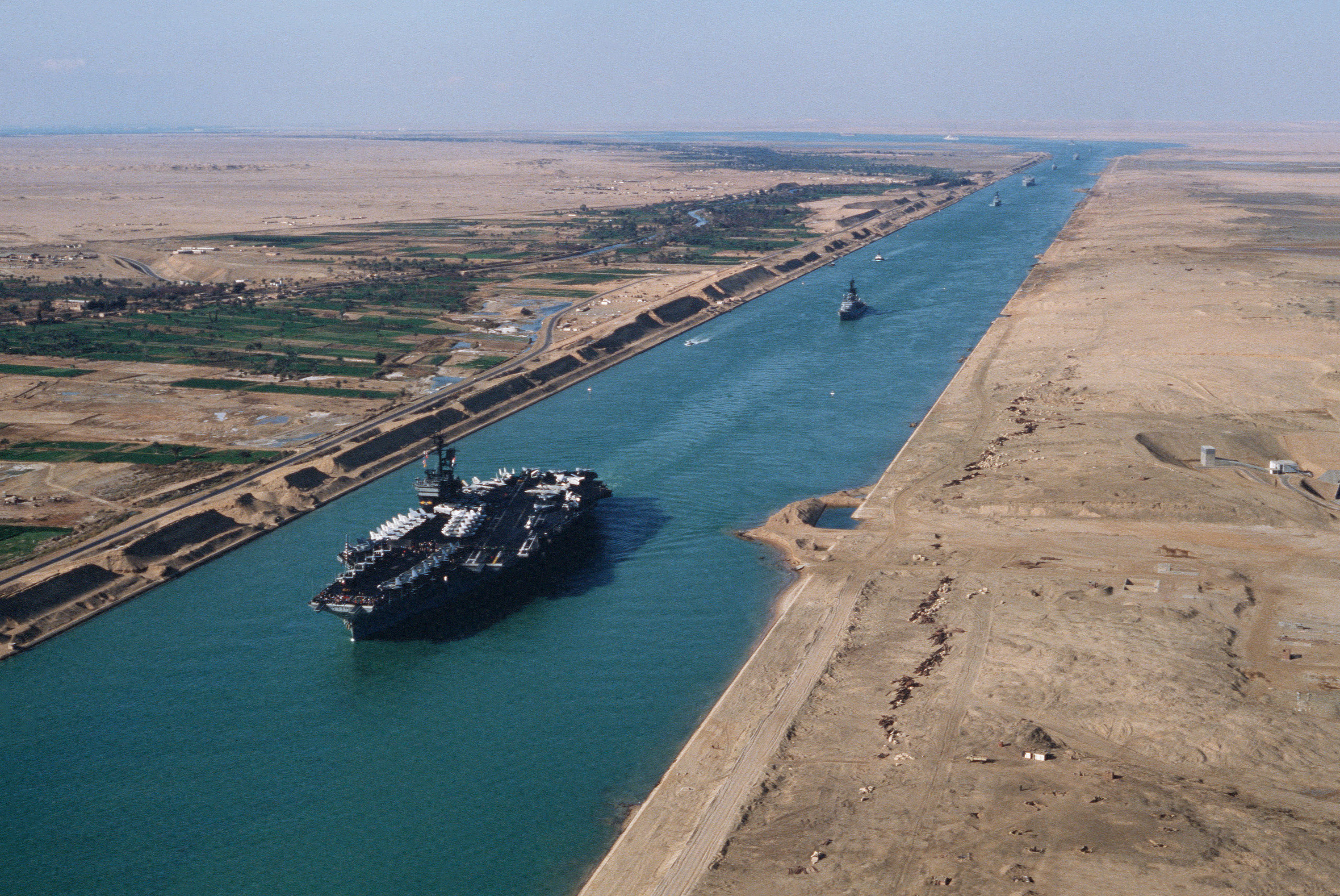
A closure of the Red Sea shipping lanes could cause a significant shock to global oil markets, according to industry analysts.
This vulnerability comes as the market remains sensitive to geopolitical instability. Because the Red Sea is a critical artery for energy transport, any total disruption would force tankers to take longer, more expensive routes, tightening supply, and driving up costs for consumers worldwide.
Homayoun Falakshahi, an analyst at Kpler, said that while he sees a major disruption as unlikely, the consequences would be significant [1]. He said that Iran is likely mindful of the impact such a move would have on Russia [1].
Market volatility is already evident this month. Oil is currently on track for its biggest weekly gain since April [1]. This upward trend follows a period where crude prices settled in a range of $90 to $100 per barrel after a previous war shock [2].
Despite the current price stability, the International Monetary Fund said on July 15 that the largest disruption to the global oil market in decades should have sent prices soaring [2]. The organization said that while the market absorbed previous shocks, the buffers that protect against price spikes are running low [2].
Shipping lanes in the Red Sea remain a primary focal point for analysts monitoring energy security. The interplay between regional actors and the needs of global exporters continues to dictate the risk level for these waterways. If the current balance of interests shifts, the resulting supply chain failure could rapidly destabilize the $90 to $100 price range [2] currently observed in the market.
“A closure of the Red Sea shipping lanes could cause a significant shock to global oil markets.”
The current stability of oil prices is precarious and heavily dependent on the continued openness of the Red Sea. While the strategic relationship between Iran and Russia may act as a deterrent against a full closure, the dwindling market buffers mentioned by the IMF suggest that the global economy has less capacity to absorb another supply shock than it did in previous years.


