Reform UK secured a large number of local council seats during elections held on Thursday, June 19 [1, 2].
The results signal a rapid fragmentation of the United Kingdom's political landscape. The success of the party, led by Nigel Farage, suggests that growing voter frustration and a decline in support for the Labour Party have created a vacuum for far-right politics [2].
Farage has positioned Reform UK as a challenge to the established political order. The party's entry into local authorities raises questions about how the leadership will implement its agenda at the community level, a move that has sparked significant public backlash.
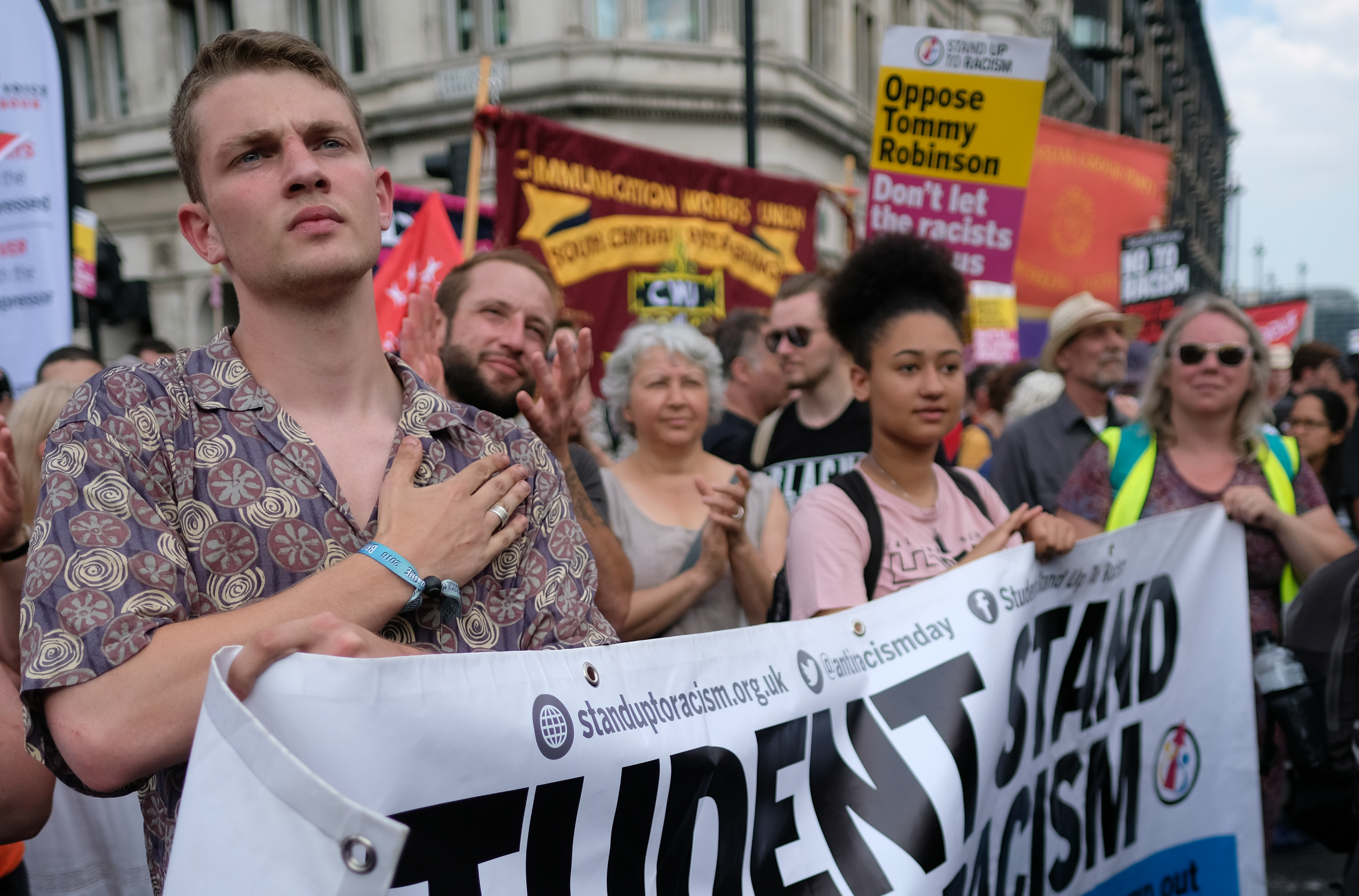
In response to the election results, a major anti-far-right rally took place in London. More than 100,000 people [3] gathered to protest the rise of extremist politics in the country.
Observers note that the shift in local governance may serve as a testing ground for the party's broader national ambitions. The movement into local councils allows the party to build a grassroots infrastructure that was previously lacking.
The rise of the party follows a period of political volatility. This shift has led to concerns over the stability of traditional party loyalty in the U.S., as voters move toward more populist alternatives [2].
“Reform UK secured a large number of local council seats during elections held on Thursday, June 19.”
The transition of Reform UK from a protest movement to a party with actual local governing power represents a strategic shift in British politics. By securing council seats, the party moves beyond national rhetoric into the administration of local services, potentially normalizing far-right policy agendas. The scale of the counter-protests in London indicates a deeply polarized electorate, suggesting that the party's growth is fueling a broader societal conflict over the direction of UK governance.


