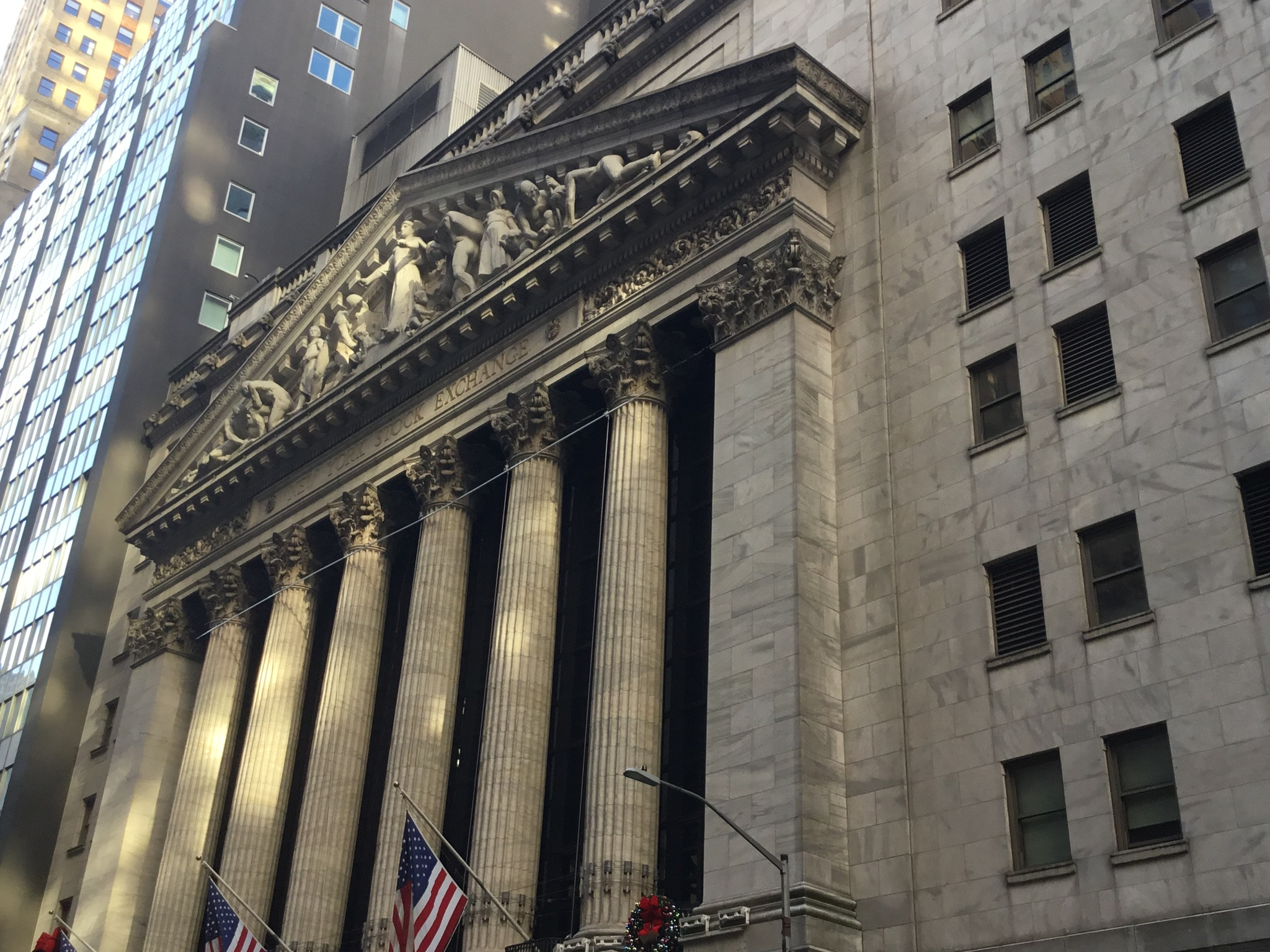
Reformation Inc. began trading on the New York Stock Exchange on Thursday after raising $210.9 million [1] in its initial public offering.
The debut serves as a litmus test for investor appetite toward sustainable fashion brands during a period of fluctuating retail market stability. While the company successfully listed, the flat opening suggests cautious sentiment among traders regarding the brand's current valuation.
Retailer Reformation listed under the ticker symbol "REF" [2]. The company's shares were priced at $15 [3], which sat at the bottom of its marketed range before trading began. This pricing strategy often indicates a lack of strong demand during the book-building process, or a conservative approach by underwriters to ensure the stock does not plummet immediately after the bell.
Despite the lackluster start, the stock managed a marginal gain by the end of the session. The shares closed eight cents [4] above the initial IPO price. This narrow window of movement reflects a market that is undecided on the company's growth trajectory relative to its sustainability mission.
"Shares of the womenswear brand were already priced at the low end of their marketed range before opening on the New York Stock Exchange Thursday," Fast Company said [5]. The brand is backed by Permira, a private equity firm that has supported the company's expansion into the sustainable apparel sector.
The company's entry into the public market follows a broader trend of eco-conscious brands attempting to scale their operations. By securing $210.9 million [1], Reformation now has the capital necessary to expand its footprint, and refine its supply chain processes.
“Reformation Inc. began trading on the New York Stock Exchange on Thursday after raising $210.9 million.”
The flat debut and bottom-range pricing indicate that while there is institutional support for Reformation's sustainable business model, investors remain wary of the scalability of 'slow fashion' in a high-growth public market. The narrow closing gain suggests the stock has found a temporary floor, but the company will need to demonstrate consistent revenue growth to move beyond its initial valuation.


