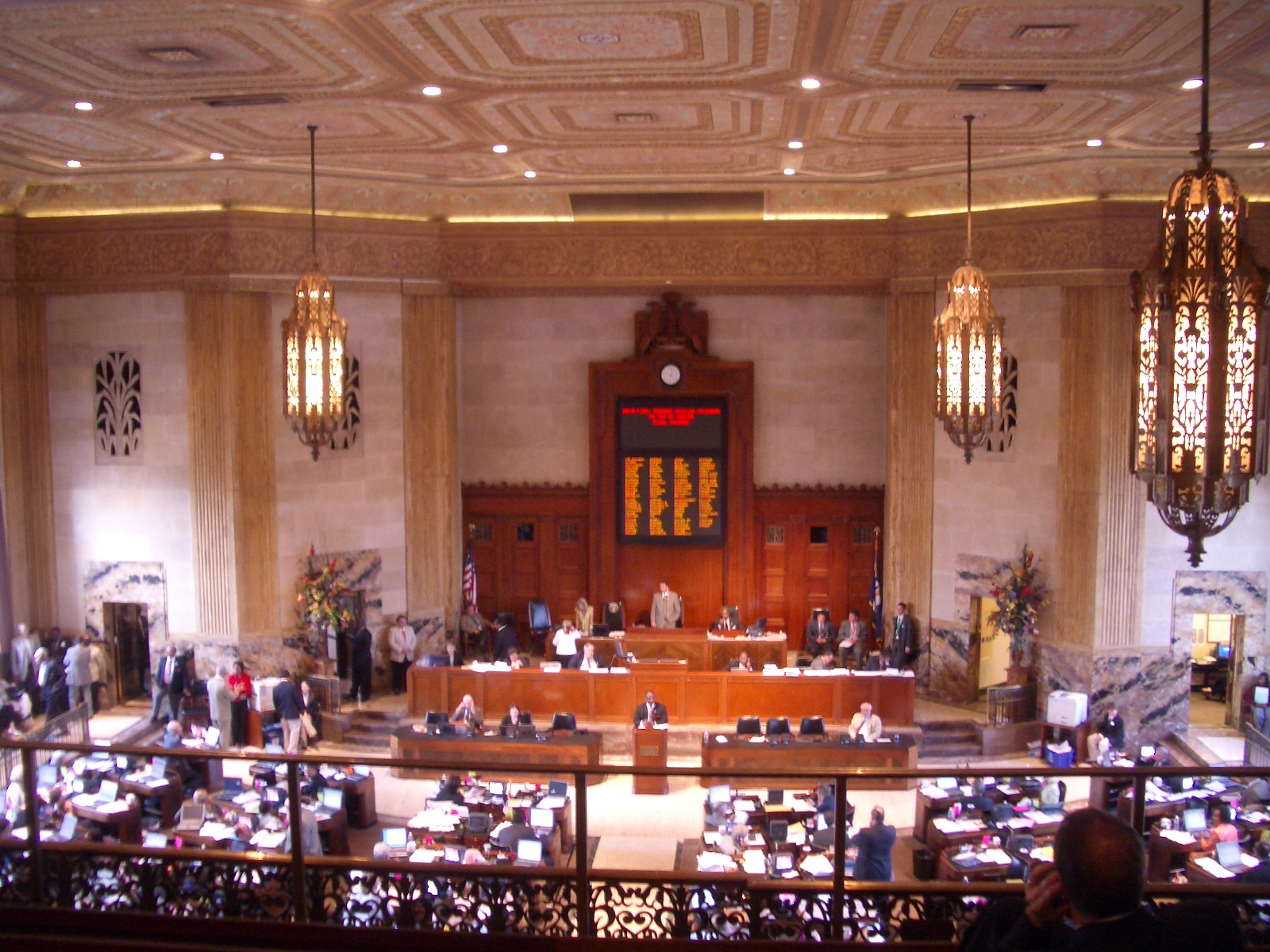
Senate and House Republicans clashed Wednesday evening over a bipartisan housing-affordability bill that has stalled in the House of Representatives [1, 2].
The disagreement threatens the viability of the legislation before the November election. Because the bill aims to address housing costs, a failure to reach a compromise could leave key affordability measures unaddressed during a critical election cycle.
The conflict centers on revisions made by House Republicans to the version of the bill already passed by the Senate [1, 2]. These changes specifically scale back restrictions on institutional investors, a move that has sparked frustration among their Senate counterparts [1, 2].
According to reports, the legislation has languished in the House for weeks [1]. Senate Republicans said Wednesday evening they fear that the House's modifications could doom the bill's chances of becoming law [1, 2].
The tension reflects a deeper divide within the party regarding the role of corporate investors in the residential real estate market. While the Senate version sought tighter controls on these entities to improve affordability for individual buyers, the House revisions seek to loosen those constraints [1, 2].
With the November election approaching, the window for bipartisan cooperation is closing. The current impasse suggests that the final version of the bill, if it reaches the president's desk, may look significantly different from the bipartisan compromise originally reached in the Senate [1, 2].
“Senate and House Republicans clashed Wednesday evening over a bipartisan housing-affordability bill”
This clash highlights a strategic rift within the Republican party over whether to prioritize institutional investment flexibility or direct homeowner affordability. The timing is critical; if the House and Senate cannot reconcile these differences quickly, the legislation will likely fail to pass before the November election, potentially turning housing affordability into a primary campaign issue.