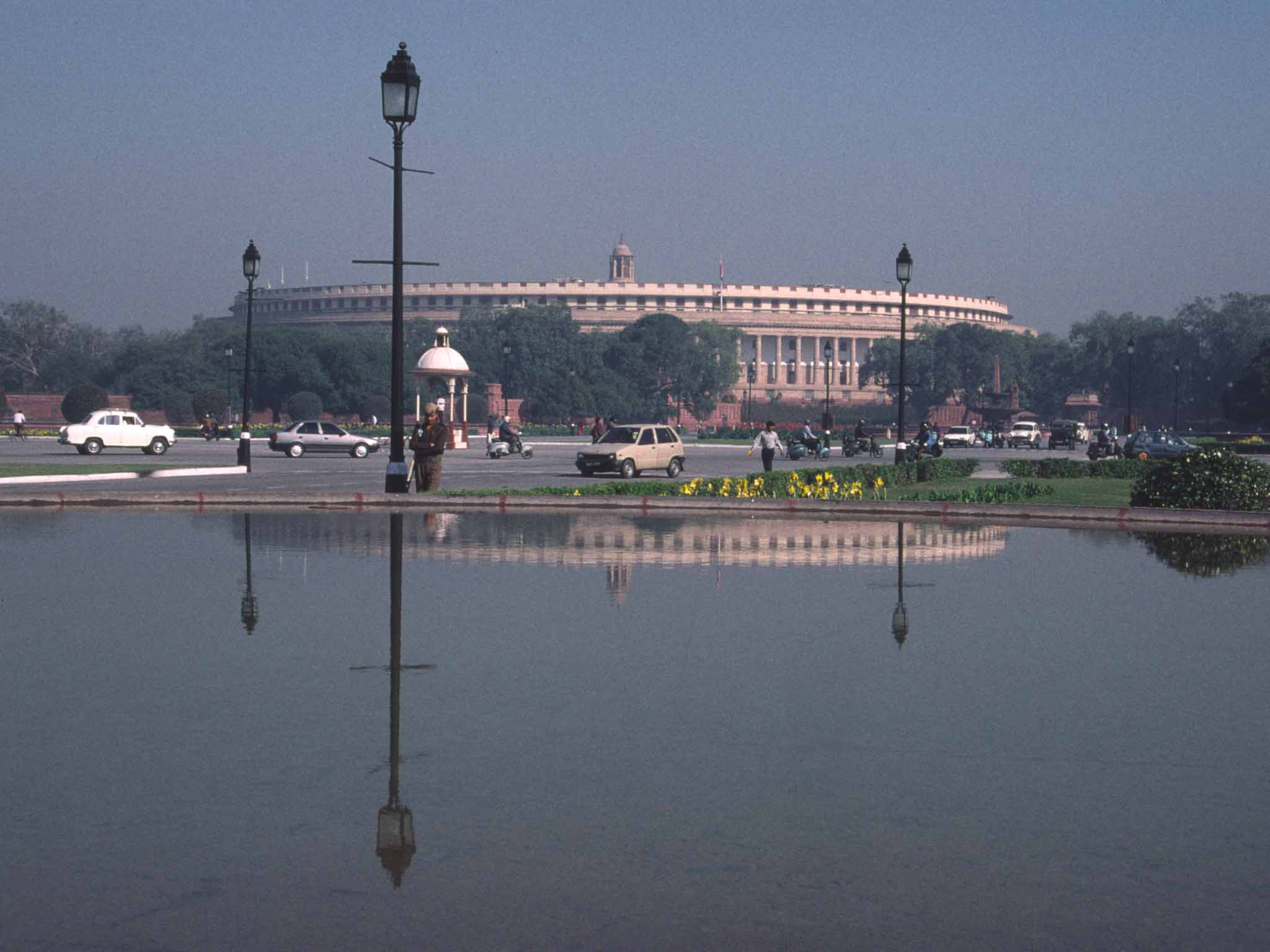
Union Minister of Parliamentary Affairs Kiren Rijiju said the government is ready to discuss the NEET-UG paper leak in Parliament.
The willingness to debate the issue follows intensifying pressure from opposition parties regarding alleged irregularities in the national medical entrance exam. The controversy has sparked widespread concern over the integrity of the testing process and the future of medical aspirants across India.
Speaking in the Lok Sabha on July 22, 2026 [1], Rijiju said the House during the Monsoon Session. The proceedings were marked by chaotic scenes as opposition members demanded a formal debate on the leak. Rijiju said the government was prepared for the discussion and assured the House that strict action would be taken against those responsible for the breach.
The minister's proposal comes as a response to the opposition's efforts to hold the administration accountable for the security failure. By inviting the opposition to help begin the debate, the government seeks to address the public outcry and provide a legislative path toward resolving the crisis.
Throughout the session, the focus remained on the perpetrators of the leak. The government has promised that the investigation will lead to severe consequences for any individuals or entities involved in compromising the examination's security. The move is intended to restore trust in the national examination system, a critical component of the country's healthcare education pipeline.
Legislators have continued to clash over the timing and scope of the investigation, but the commitment to a parliamentary discussion marks a formal step toward transparency in the matter.
“The government is ready for a discussion on the issue.”
The government's willingness to debate the NEET-UG leak in the Lok Sabha suggests an attempt to defuse political tension during the Monsoon Session. By shifting the focus toward 'strict action' and formal parliamentary discussion, the administration is attempting to balance political accountability with the need to maintain the perceived legitimacy of India's standardized testing infrastructure.


