Football fans engaged in violent clashes across Rio de Janeiro on Sunday night following the World Cup final [1].
The unrest highlights the volatile nature of high-stakes international sports and the challenges of maintaining public order during global celebrations.
The violence began July 19, 2026 [1], after Spain defeated Argentina to claim the title. Reports indicate that the unrest was sparked by Argentina's loss in the final match [2, 3].
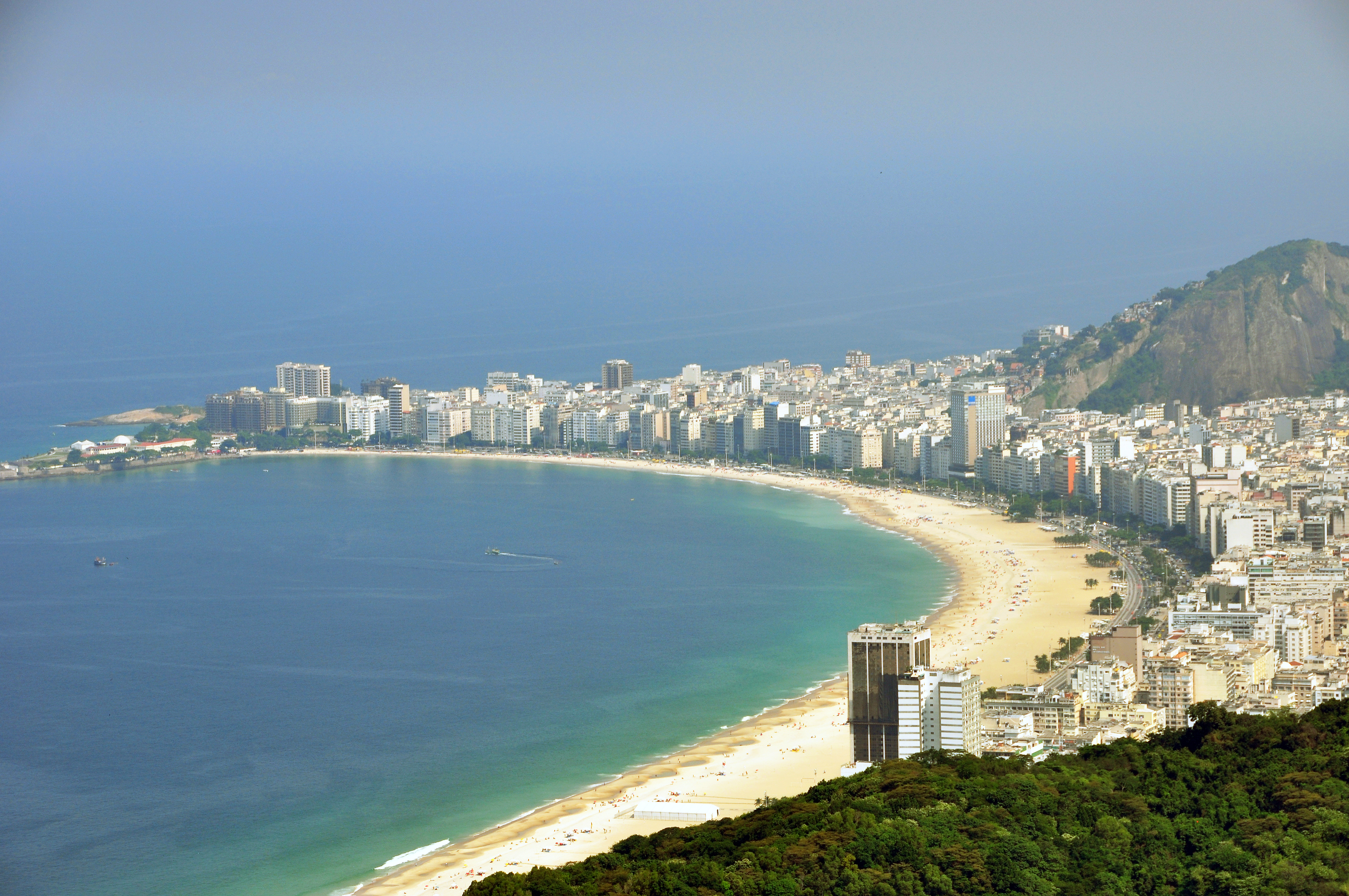
Major confrontations occurred in the Copacabana neighborhood of Rio de Janeiro [1, 3]. While some reports focus exclusively on the Copacabana area, other accounts said that fights also broke out in Búzios [3].
There are conflicting reports regarding who participated in the violence. Some sources said only Argentine fans were involved in the fights [2]. However, other reports said that both Argentine and Spanish supporters were engaged in the clashes [1, 3].
Local authorities in Rio de Janeiro faced the task of managing crowds in these high-traffic tourist zones. The incidents occurred during the immediate aftermath of the match, as fans gathered in public spaces to watch the game and celebrate or mourn the result.
“Violence erupted in Copacabana and Búzios following Argentina's defeat to Spain.”
The clashes in Rio de Janeiro underscore the recurring tension between celebratory sporting events and urban security. When global events like the World Cup final draw massive crowds to concentrated tourist hubs like Copacabana, the emotional volatility of the result can quickly translate into physical conflict, regardless of the host city's proximity to the actual match venue.


