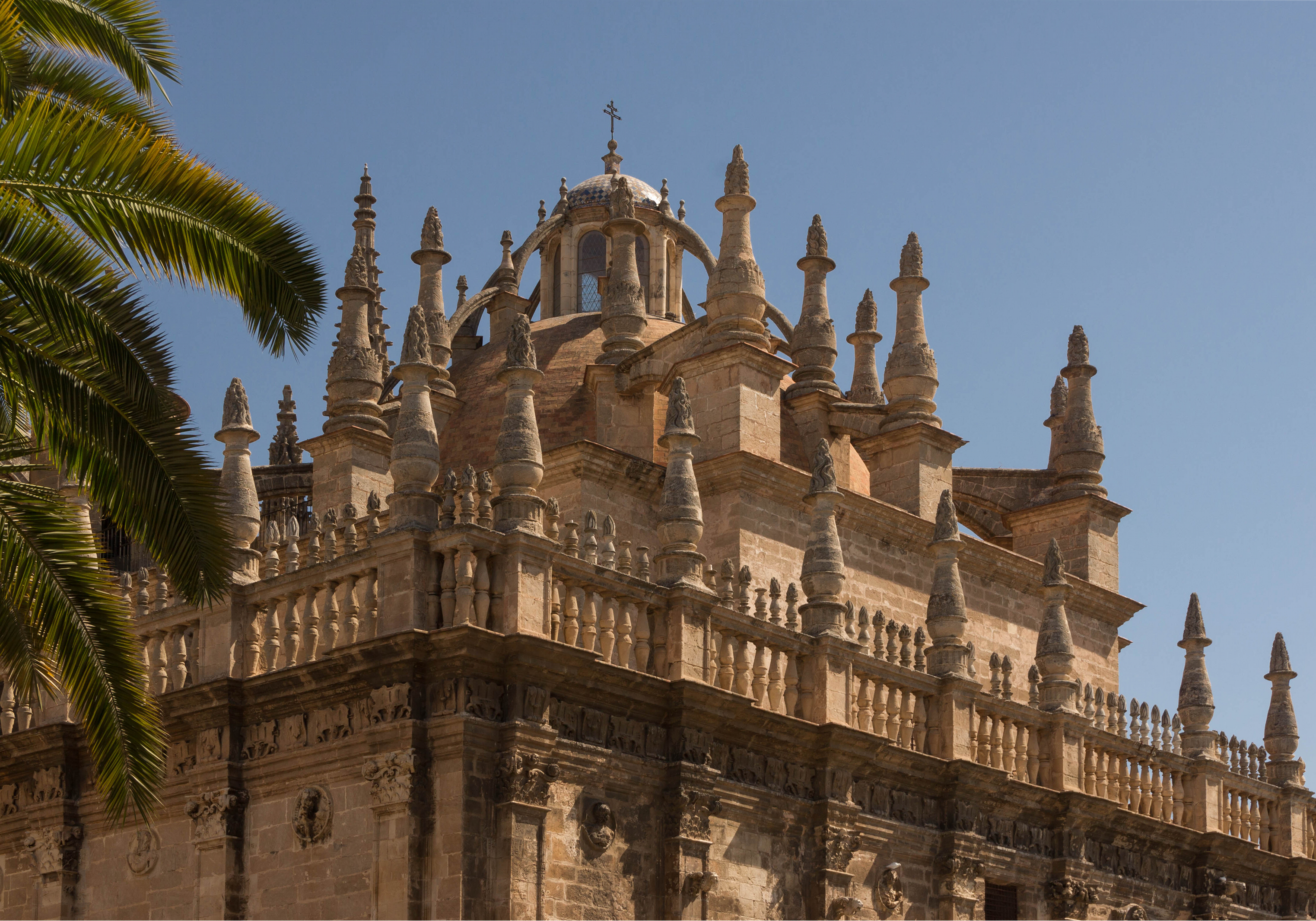
British singer-songwriter Robbie Williams surprised fans and passers-by by busking on the streets of Spain [1].
The impromptu performance marks a rare departure from the large-scale stadium venues typically associated with the global pop star. By returning to the streets, Williams engaged in a direct, unmediated connection with the public that contrasts with the highly choreographed nature of modern celebrity tours.
Witnesses in Seville reported seeing the musician performing in public spaces [2]. Williams chose to sing his well-known hit song “Angels,” which drew a crowd of onlookers who stopped to watch the unexpected street set [1], [2].
Reports indicate the performance was an intentional effort to surprise fans during his visit to the country [3]. The event was captured by bystanders and shared across social media platforms, highlighting the singer's presence in the city [2].
While Williams is known for his massive commercial success and high-production shows, this instance of busking reflects a more stripped-back approach to performance. The act of street performing, or busking, is often used by emerging artists to build an audience, but for an established star, it serves as a promotional tool or a personal creative exercise [3].
No official schedule for further public appearances in Spain was provided in the reports. The singer's interaction with the crowd remained informal, focusing on the musical delivery of his most famous ballad [1].
“Robbie Williams surprised fans and passers-by by busking on the streets of Spain”
This event demonstrates the use of 'guerrilla marketing' by established celebrities to generate viral content and organic engagement. By contrasting his global fame with the humility of street performing, Williams creates a relatable narrative that resonates with fans on social media, potentially signaling a shift toward more intimate or unconventional promotional strategies for future projects.


