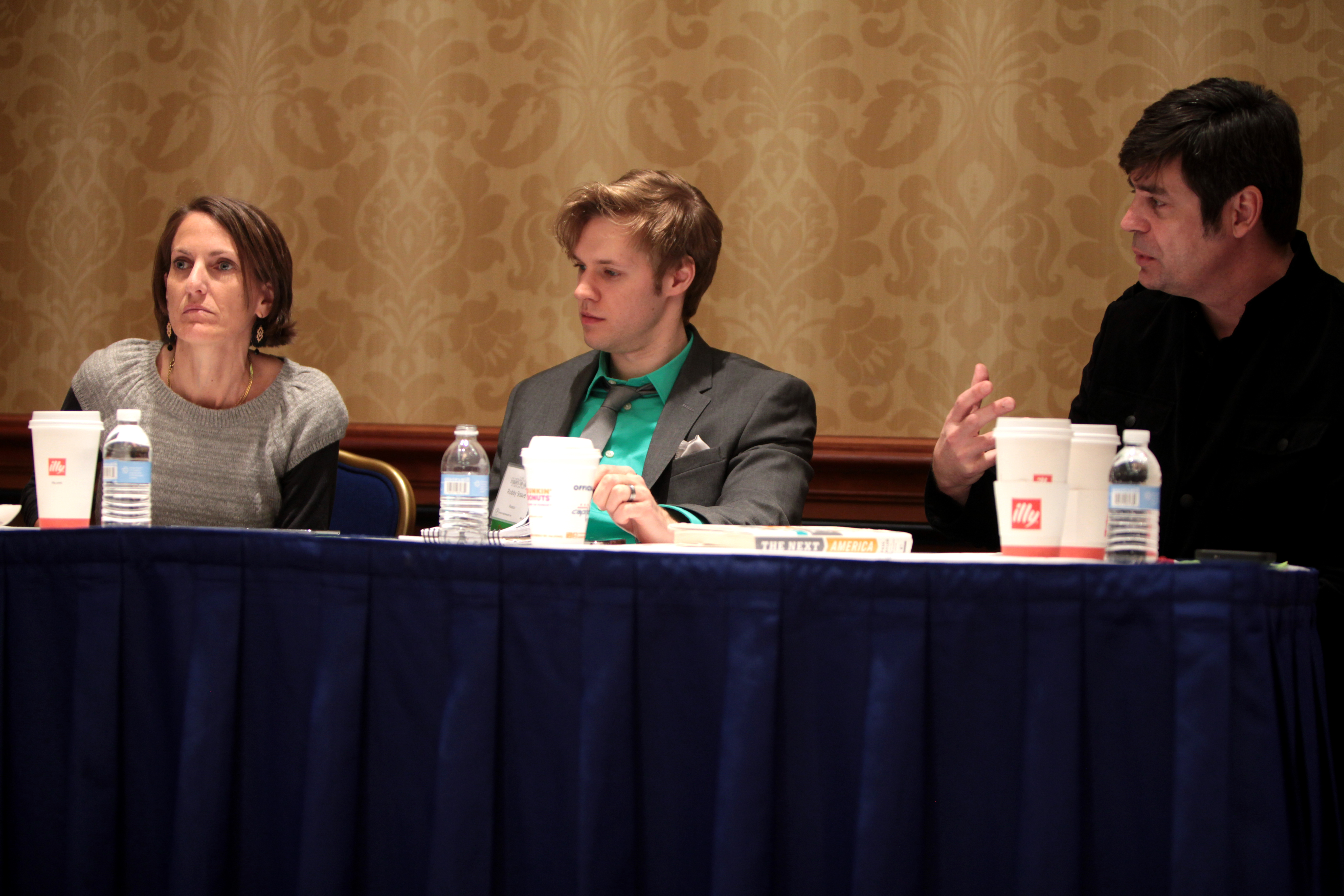
Journalist Robby Soave said that leftist commentator Kyle Kulinski has expressed support for terrorist organizations in recent commentary [1, 2].
The accusation highlights a deepening divide in U.S. political discourse regarding the legitimacy of foreign militant groups and the risks of ideological extremism. It also connects domestic political rhetoric to the stability of volatile regions in the Middle East.
Soave said that Kulinski's positions represent dangerous rhetoric [1, 2]. The analysis suggests that such perspectives ignore the realities of global security and the nature of the groups being defended.
Beyond the critique of Kulinski, Soave discussed the strategic implications of a potential war with Iran. He said that a conflict with the Iranian government could significantly affect the operations and stability of organizations such as Hamas, and Hezbollah [1, 2]. This connection underscores how regional wars often reshape the landscape for non-state actors.
Soave also addressed the rhetoric of Donald Trump. He said some of the former president's statements were delusional [1, 2]. By criticizing both the far left and the former president, Soave positioned his argument as a critique of political extremes on both sides of the aisle.
The commentary appears as part of a broader effort to warn against the consequences of inflammatory political speech. Soave said that the intersection of domestic political delusions and international conflict creates a precarious environment for U.S. foreign policy [1, 2].
“Kyle Kulinski has expressed support for terrorist groups”
This clash reflects the increasing polarization of American political commentary, where domestic ideological battles are mapped onto complex geopolitical conflicts. By linking the rhetoric of a progressive commentator to the operational viability of groups like Hezbollah and Hamas, the analysis suggests that internal U.S. political shifts may influence or reflect broader Middle Eastern instability.


'%2F%3E%0A%20%20%20%20%3Crect%20width%3D'1600'%20height%3D'900'%20fill%3D'url(%23v)'%2F%3E%0A%20%20%20%20%3Cg%20opacity%3D'0.08'%20fill%3D'%23ffffff'%3E%0A%20%20%20%20%20%20%3Ccircle%20cx%3D'1420'%20cy%3D'180'%20r%3D'220'%2F%3E%0A%20%20%20%20%20%20%3Ccircle%20cx%3D'1500'%20cy%3D'760'%20r%3D'120'%2F%3E%0A%20%20%20%20%3C%2Fg%3E%0A%20%20%20%20%3Cline%20x1%3D'80'%20y1%3D'172'%20x2%3D'220'%20y2%3D'172'%20stroke%3D'%23ffffff'%20stroke-width%3D'3'%20stroke-opacity%3D'0.6'%2F%3E%0A%20%20%20%20%3Ctext%20x%3D'80'%20y%3D'140'%20font-family%3D'Inter%2C%20-apple-system%2C%20Helvetica%2C%20sans-serif'%20font-weight%3D'700'%20font-size%3D'28'%20fill%3D'%23ffffff'%20letter-spacing%3D'6'%3EHANNA%20%C2%B7%20NEWS%3C%2Ftext%3E%0A%20%20%20%20%3Ctext%20x%3D'80'%20y%3D'230'%20font-family%3D'Inter%2C%20-apple-system%2C%20Helvetica%2C%20sans-serif'%20font-weight%3D'600'%20font-size%3D'40'%20fill%3D'%23ffffffb3'%20letter-spacing%3D'4'%3EPOLITICS%3C%2Ftext%3E%0A%20%20%20%20%3Ctext%20x%3D'80'%20y%3D'622'%20font-family%3D'Playfair%20Display%2C%20Georgia%2C%20serif'%20font-weight%3D'800'%20font-size%3D'86'%20fill%3D'%23ffffff'%20letter-spacing%3D'-1'%3EComedians%20Aparna%20Nancherla%3C%2Ftext%3E%3Ctext%20x%3D'80'%20y%3D'721'%20font-family%3D'Playfair%20Display%2C%20Georgia%2C%20serif'%20font-weight%3D'800'%20font-size%3D'86'%20fill%3D'%23ffffff'%20letter-spacing%3D'-1'%3Eand%20Josh%20Gondelman%20Enter%20New%3C%2Ftext%3E%3Ctext%20x%3D'80'%20y%3D'820'%20font-family%3D'Playfair%20Display%2C%20Georgia%2C%20serif'%20font-weight%3D'800'%20font-size%3D'86'%20fill%3D'%23ffffff'%20letter-spacing%3D'-1'%3EYorker%20Caption%20Contest%3C%2Ftext%3E%0A%20%20%20%20%3Ctext%20x%3D'80'%20y%3D'870'%20font-family%3D'Inter%2C%20-apple-system%2C%20Helvetica%2C%20sans-serif'%20font-weight%3D'500'%20font-size%3D'22'%20fill%3D'%23ffffff66'%20letter-spacing%3D'2'%3Enews.hanna-ai.com%3C%2Ftext%3E%0A%20%20%3C%2Fsvg%3E)