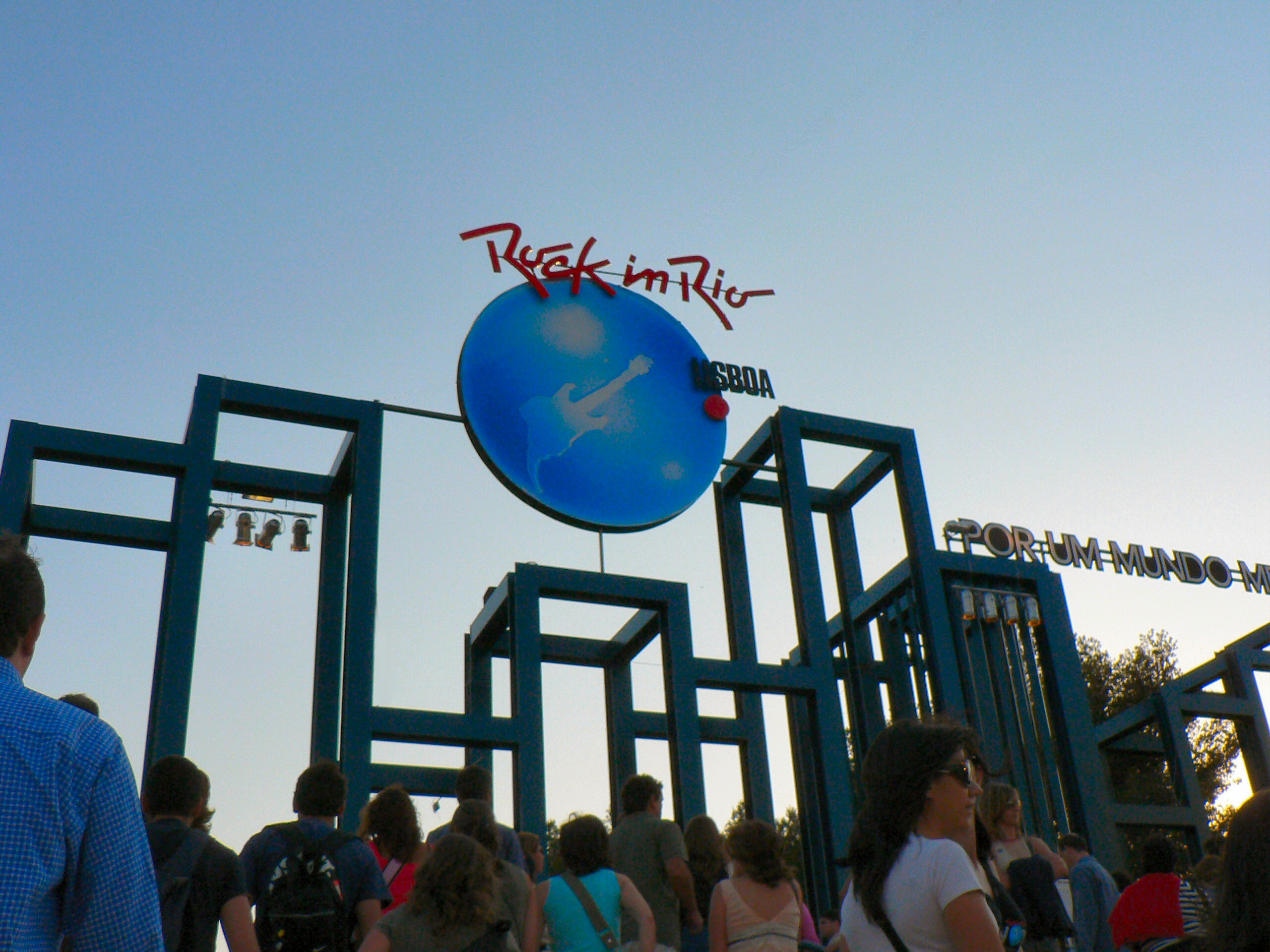
Rock in Rio Lisboa is positioning itself as a symbol of the city and a gateway for the brand's expansion across Europe [1].
The strategic move allows the festival to test production innovations and consumer behaviors among hyperconnected audiences before the brand returns to Brazil for its 2026 edition [1, 3].
During the first weekend of the festival in June 2026, approximately 200,000 people gathered at the event [1]. The festival took place at the Parque Tejo, also known as Parque Papa Francisco [2].
Roberta Medina said the change to the Parque Tejo marks a new stage in the history of the Lisbon event [2]. This relocation is part of a broader effort to scale the experience and reinforce the brand's global footprint.
"We are using Rock in Rio Lisboa as a great appetizer for the Brazilian edition of 2026," Medina said [1].
Rodolfo Medina, a partner at Grupo Dreamers and Rock World, said the expansion is designed to meet the needs of the modern consumer [3]. By establishing a stronger foothold in Portugal, the organization aims to create a more seamless transition for international audiences moving between the European and South American markets.
The event's operational success is reflected in consumer feedback. The festival achieved a satisfaction rating of 87.3 points on the Portal da Queixa, which is classified as an "Optimo," or optimal rating [4].
This high level of satisfaction suggests that the infrastructure at the new venue is capable of handling the massive crowds required for the brand's growth strategy. The organization continues to use the Lisbon event to refine the logistics and production standards that will be implemented in Brazil later this year [1].
“"We are using Rock in Rio Lisboa as a great appetizer for the Brazilian edition of 2026."”
The use of the Lisbon festival as a 'beta' site for the Brazilian edition demonstrates a shift toward a globalized event cycle. By treating the European leg as a production laboratory, Rock in Rio minimizes risk and optimizes the attendee experience for its primary market in Brazil, while simultaneously building brand equity in the EU.